The recent opening of the Center for DNA Identification under the Institute of Biotechnology, Vietnam Academy of Science and Technology, has marked a major step in the application of DNA technology to identify the remains of war martyrs.
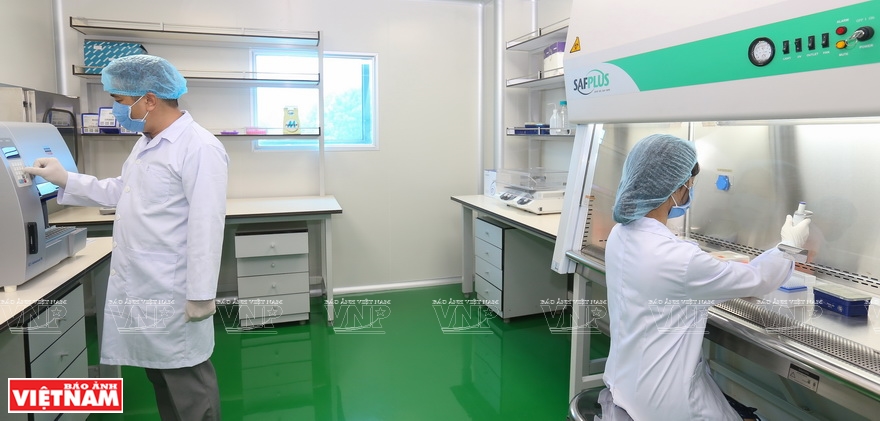
The Center for DNA Identification, which opened in Hanoi in July, can provide DNA profiling of some 4,000 remains yearly. It has start-of-the-art facilities and equipment that meet international standards. The center includes ten rooms for processing and analyzing DNA samples of the remains of martyrs and their family members. It also has research and development labs and areas for sample storage and examination, and a server system.
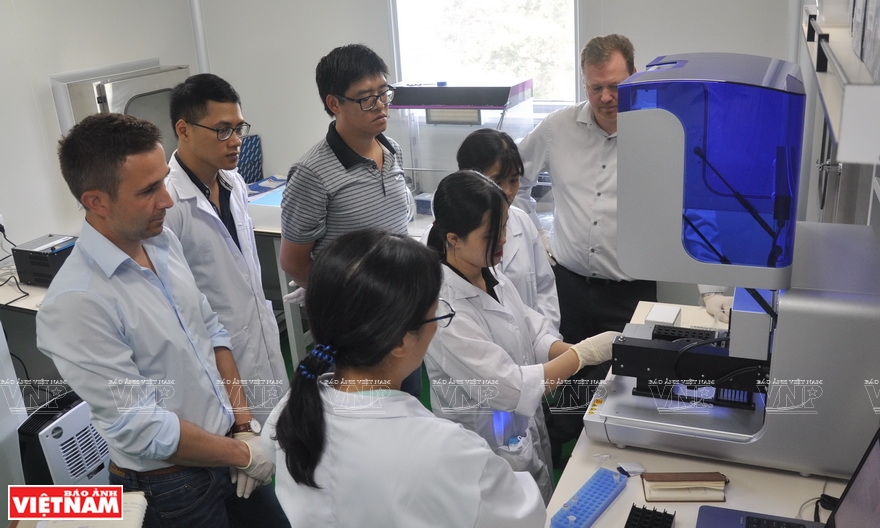
“The center’s technicians have been trained in a two-year program taught by genetics specialists from the US. Six experts from the center have also been sent to training at the International Commission on Missing Persons (ICMP) in the Republic of Bosnia and Herzegovina and in Germany,” said Hoang Ha, deputy director of the center.
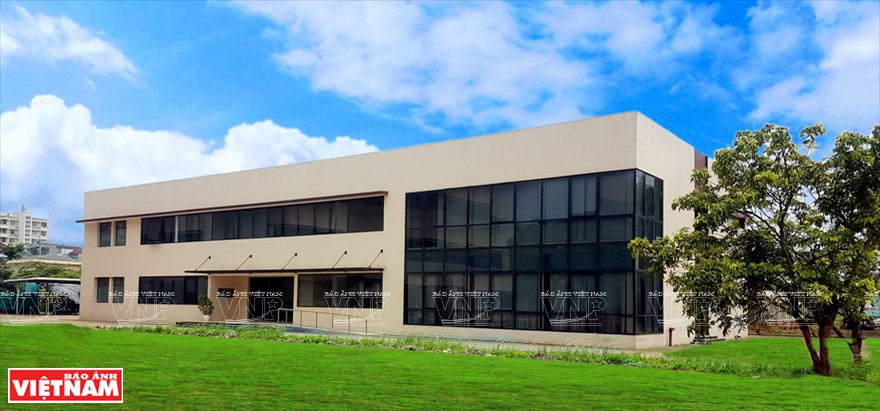
TheCenter for DNA Identificationis located in Co Nhue, North Tu Liem, Hanoi.Photo: Files
A German expert trains the center’s staff on how to operate the equipment. Photo: Files
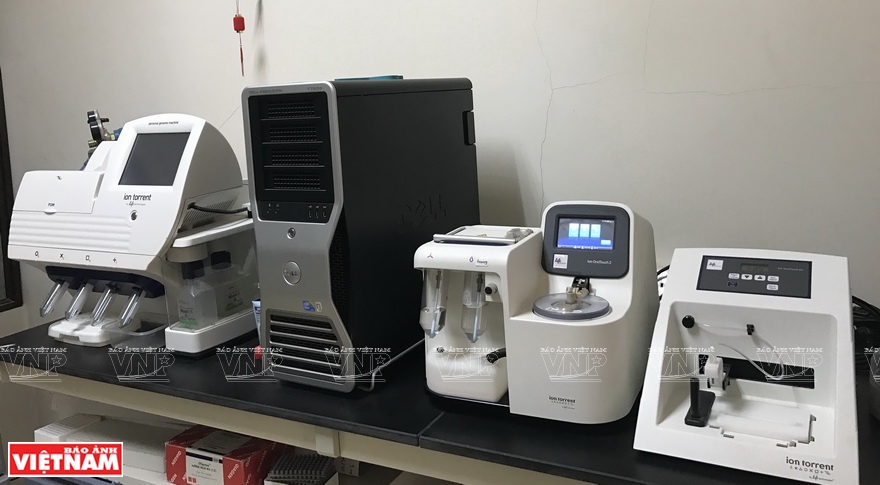
The Ion Personal Genome Machine (PGM) system at the center. Photo: Files
Atthe International Commission on Missing Persons (ICMP) in the Republic of Bosnia and Herzegovina. Photo: Files
The centerincludes ten rooms for processing and analyzing DNA samples.Photo: Viet Cuong
The toughest challenge for technicians is the decomposition of remains of matyrs after being buried formany years.Photo: Viet Cuong
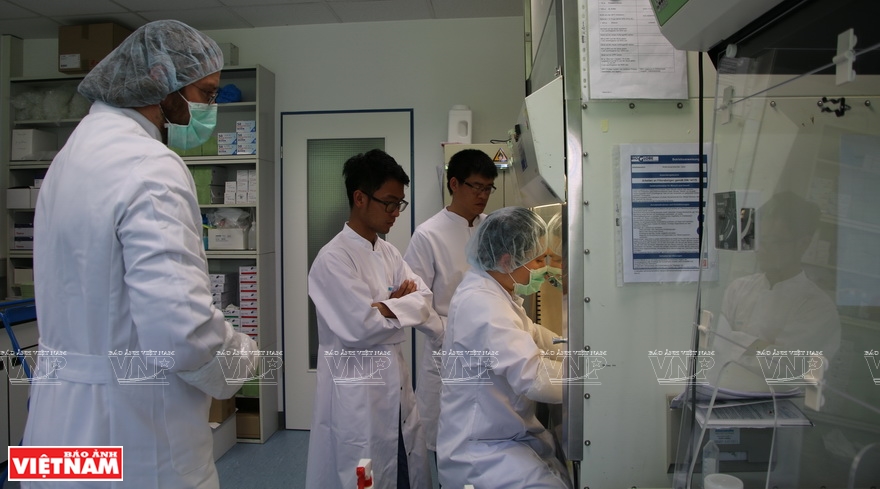
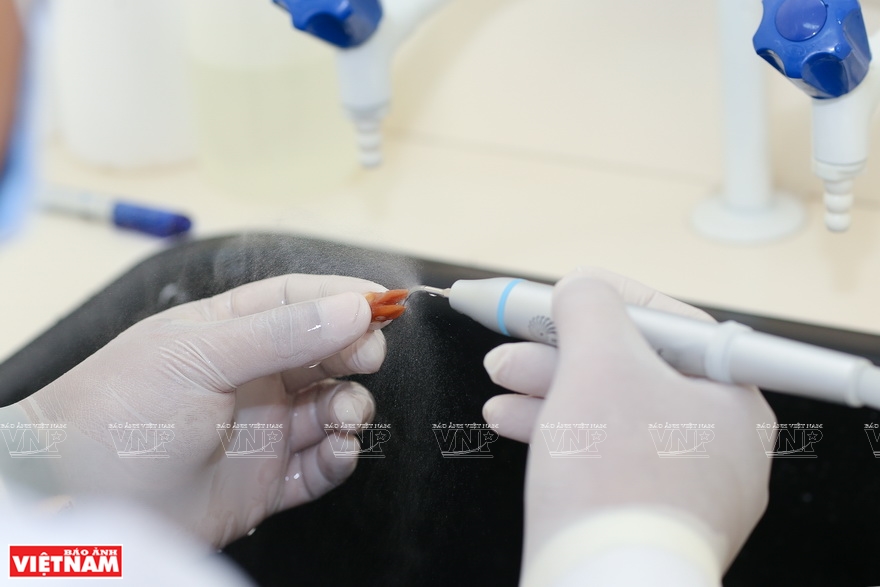
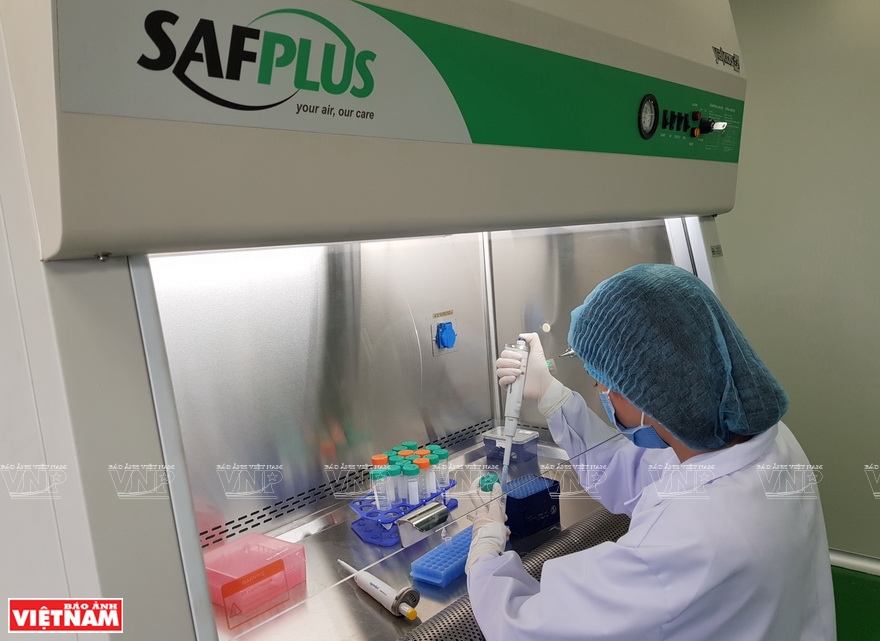
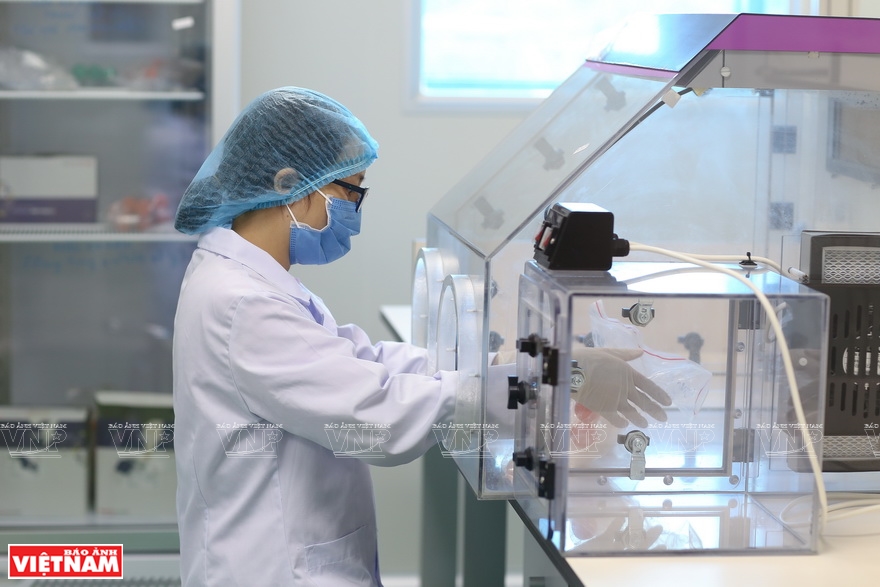
Extracting DNA from samples. Photo: Files
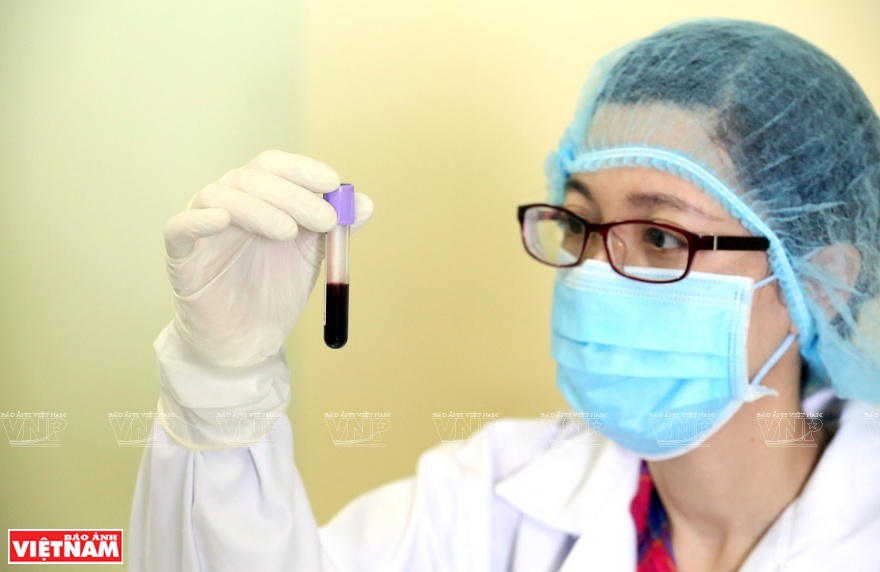
Analyzing samples of a martyr’s relative. Photo: Files
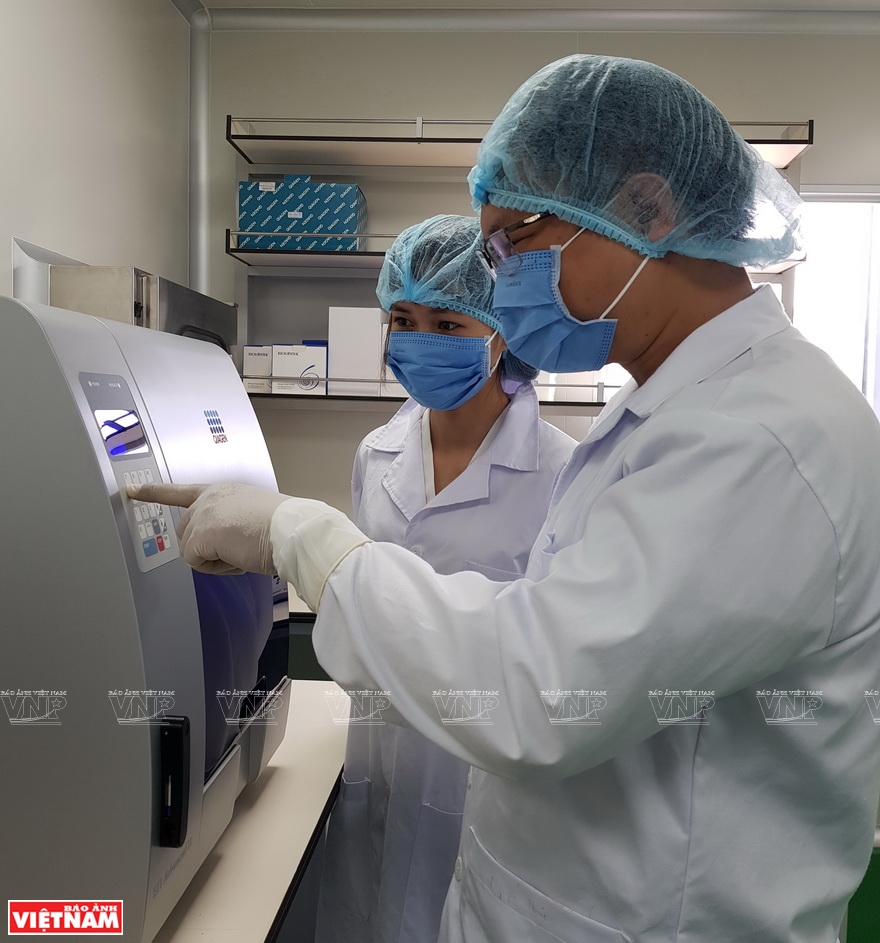
An automated DNA extraction system at the center. Photo: Files
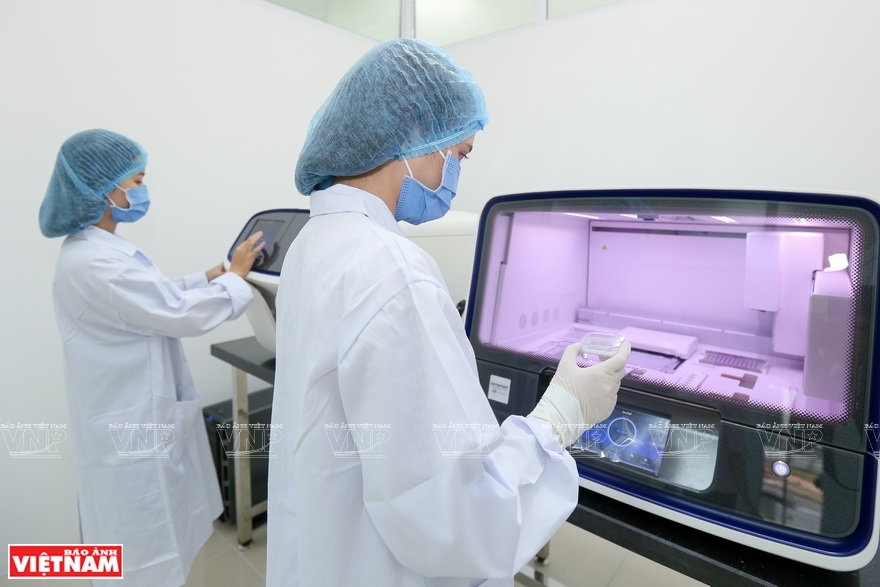
Analyzing DNA samples. Photo: Viet Cuong
Technicians are working hard to give precise results to the families of fallen heroes. Photo: Viet Cuong
The opening of the center has helped enhance the DNA identification of war martyrs which became a must in the process of recognizing war martyrs under a decision issued by the Prime Minister in 2015.
Before this decision was issued, the Institute of Biotechnology had identified more than 800 martyrs from 2000 to 2011. The institute also recognized about 400 remains of martyrs per year during 2011-2015.
Nearly 50 staff members of the Center for DNA Identification, including Korean citizens, are working hard to bring a spiritually valuable present to the families of fallen heroes who sacrificed their lives for the country.