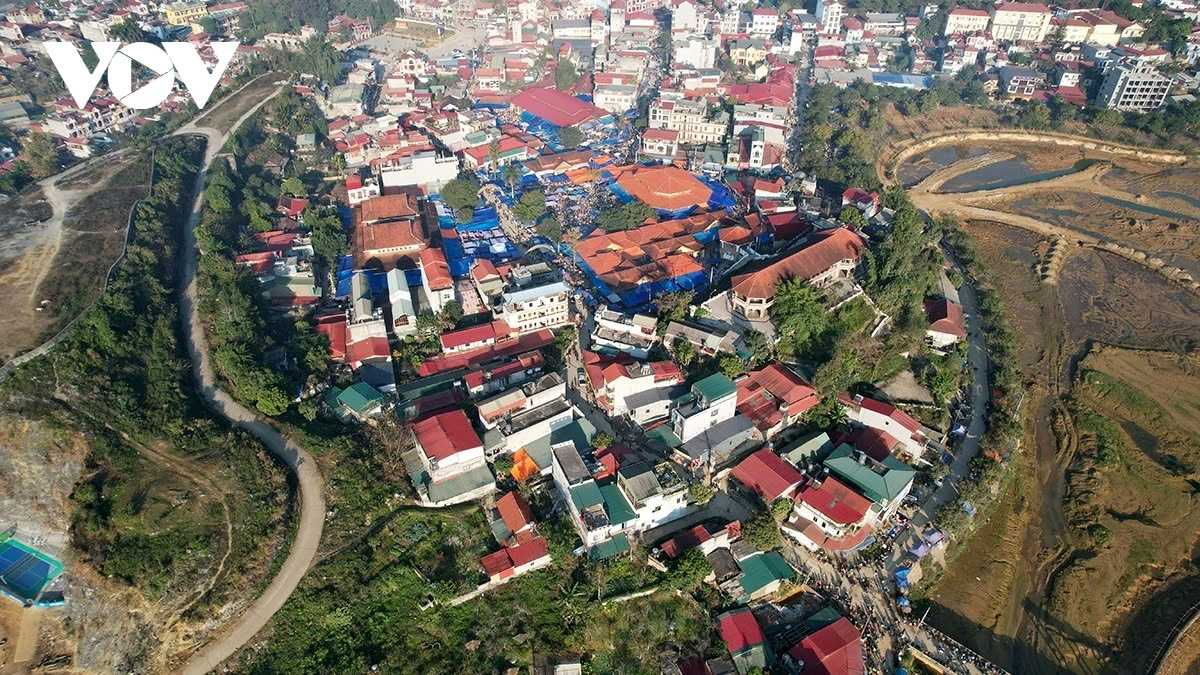
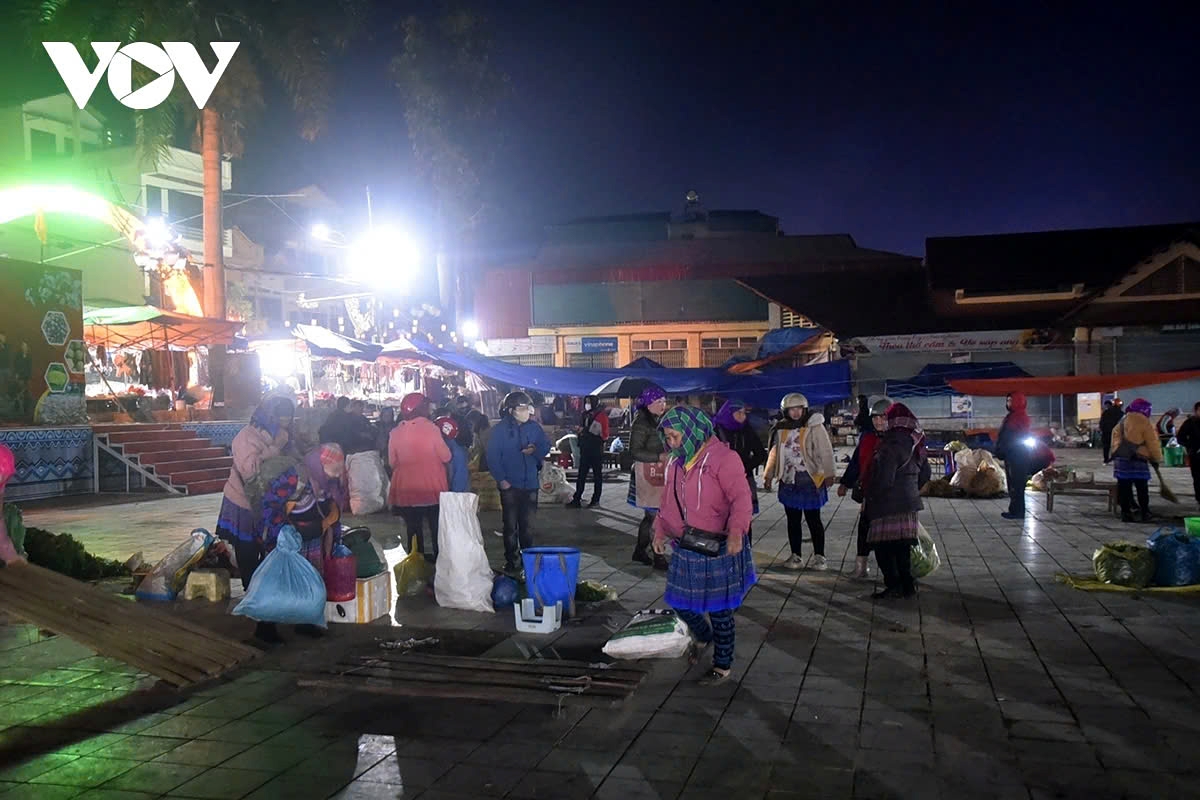
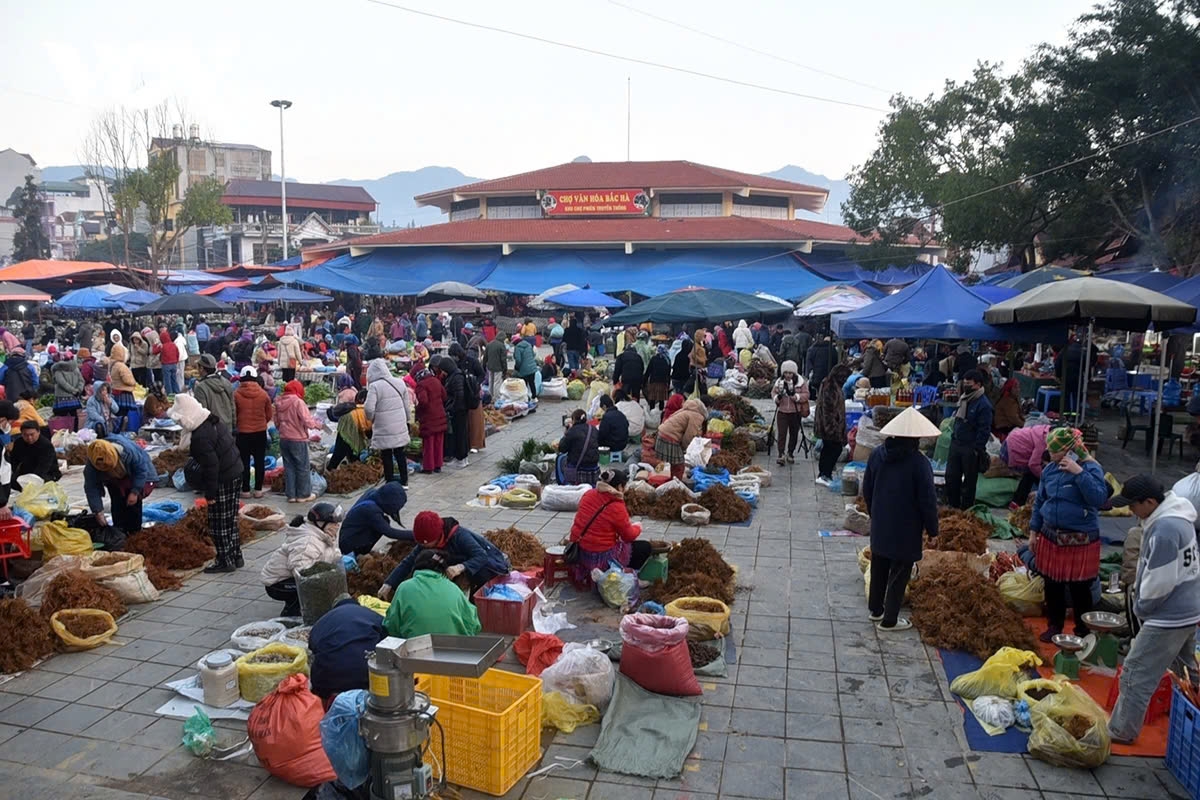
As the clock strikes 4 AM, the Tet market on Bac Ha Plateau stirs to life amidst a biting 4°C chill. Vendors arrive early, setting up stalls in anticipation of a bustling day ahead.

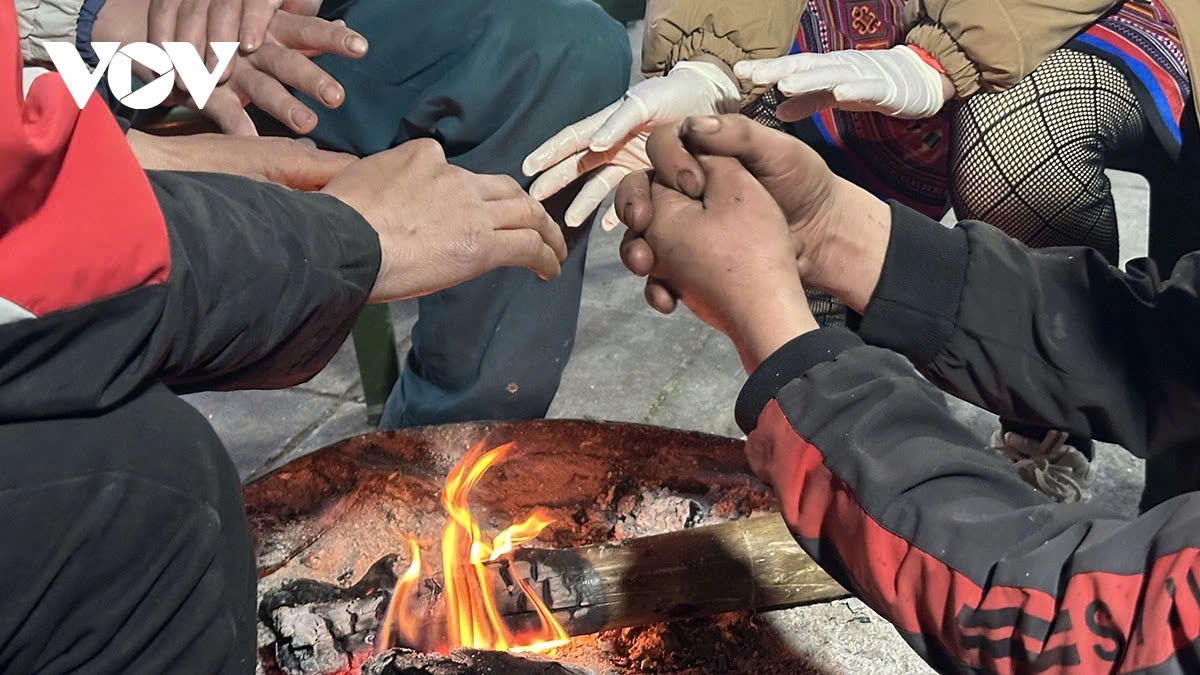
To combat the freezing temperatures, early market-goers gather around coal stoves, seeking warmth. For the H’mong, the market is more than trade—it’s a social hub where food, laughter, and community thrive.

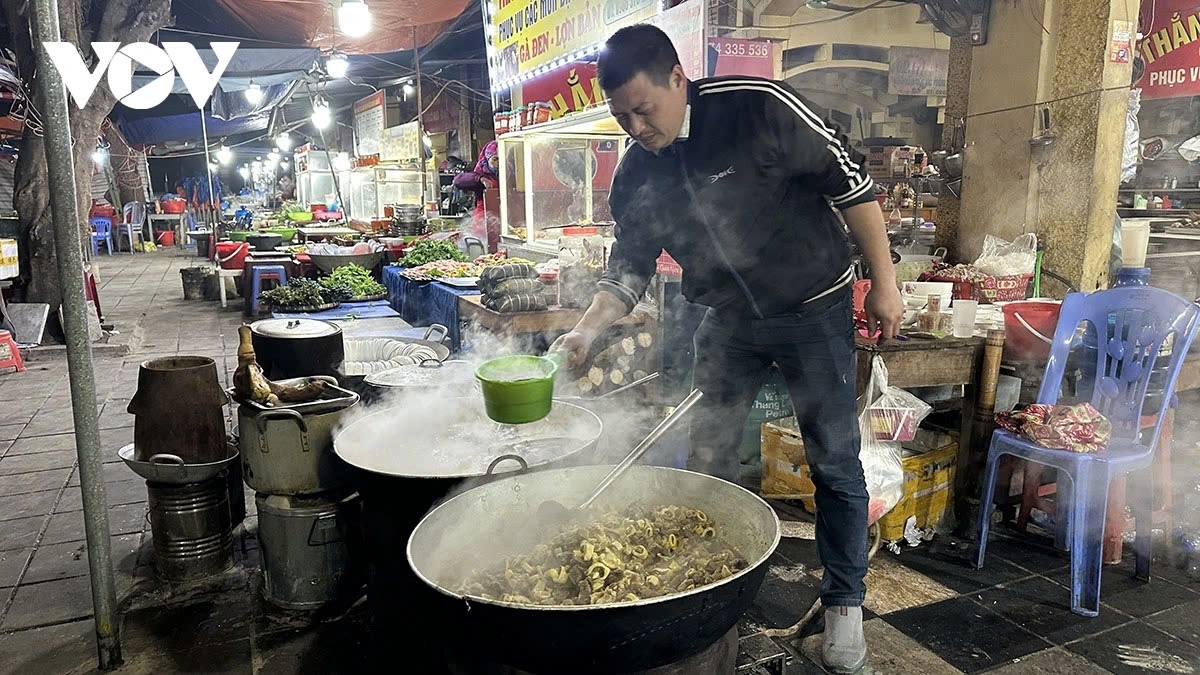
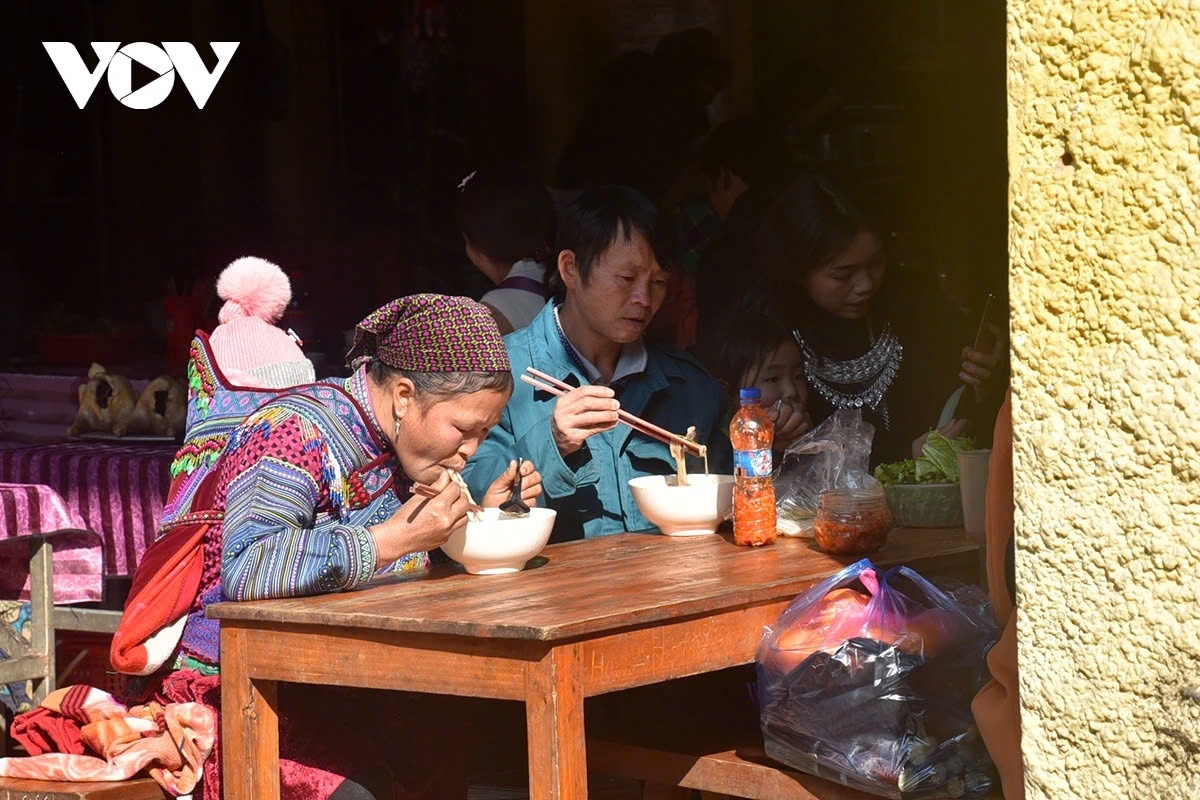
Despite the bitter cold, local food stalls are ready to serve, offering warmth and sustenance to the earliest of customers.

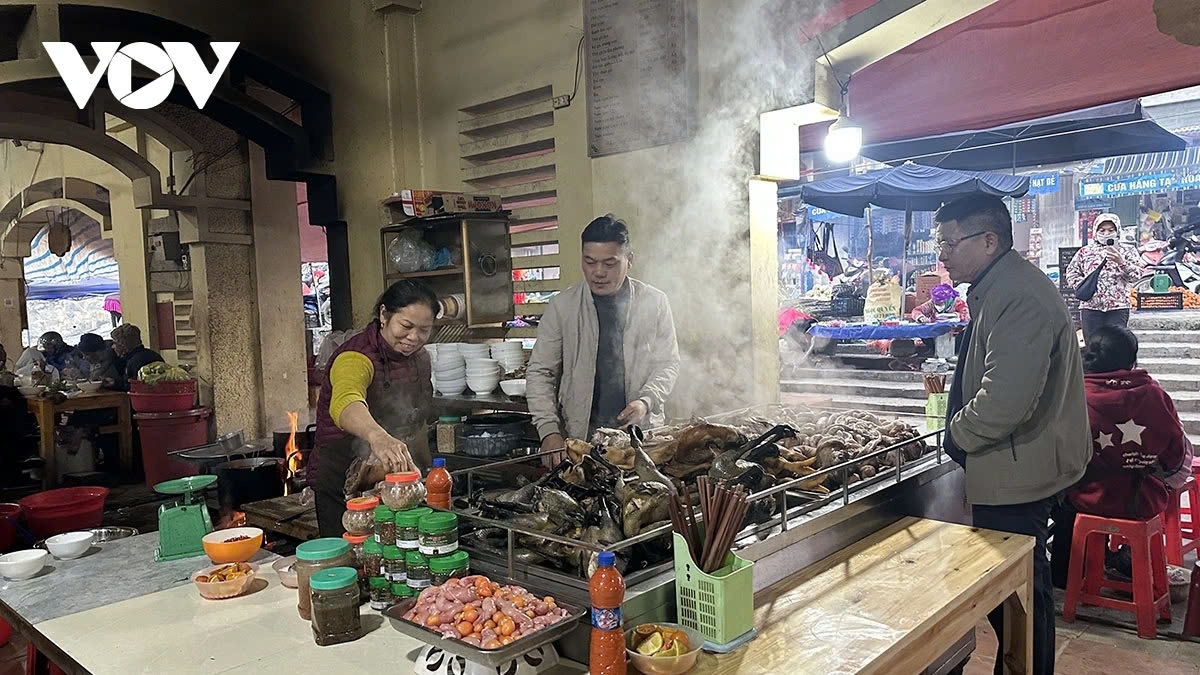
Artfully arranged local dishes beckon visitors, their vibrant presentation a feast for the eyes and a promise of culinary delight.

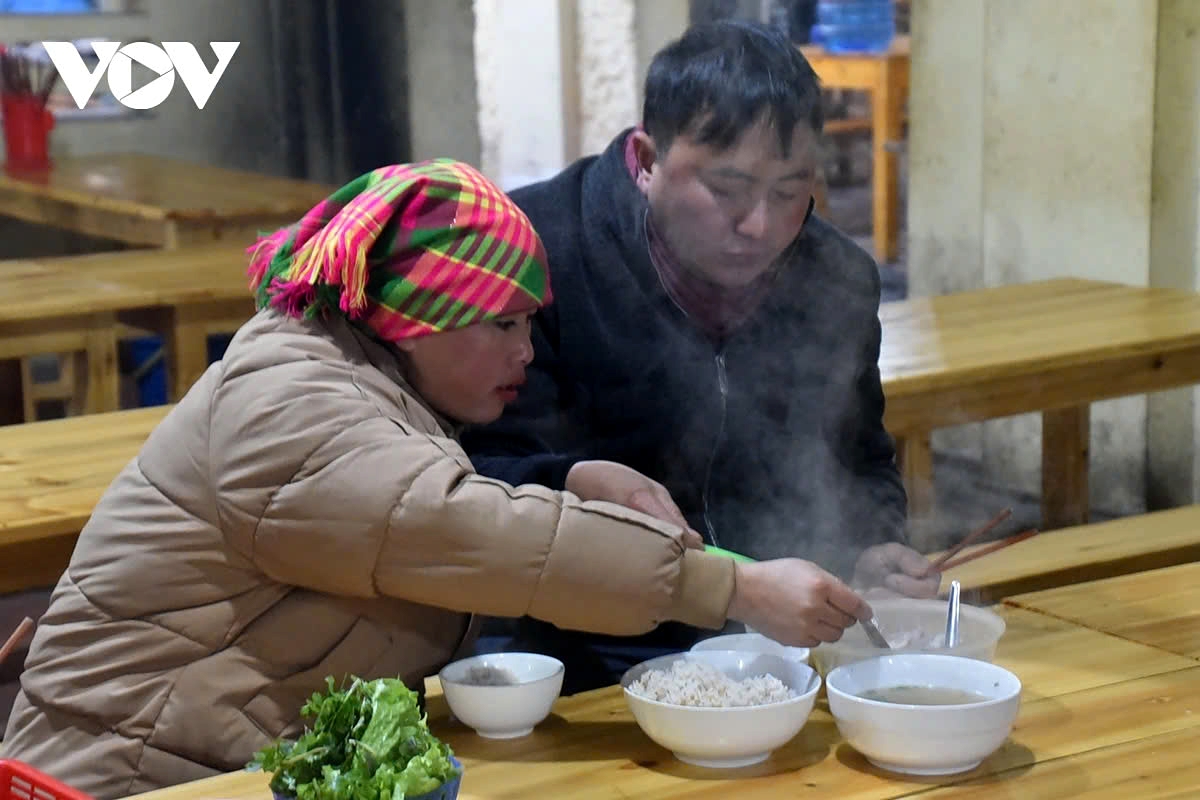
A H’mong couple shares a quiet breakfast, fueling up before joining the lively market activities.

Beyond black chicken and pork dishes, H’mong cuisine shines with thắng cố ngựa (horse meat stew) and mèn mén (corn-based dish), must-tries for any visitor.

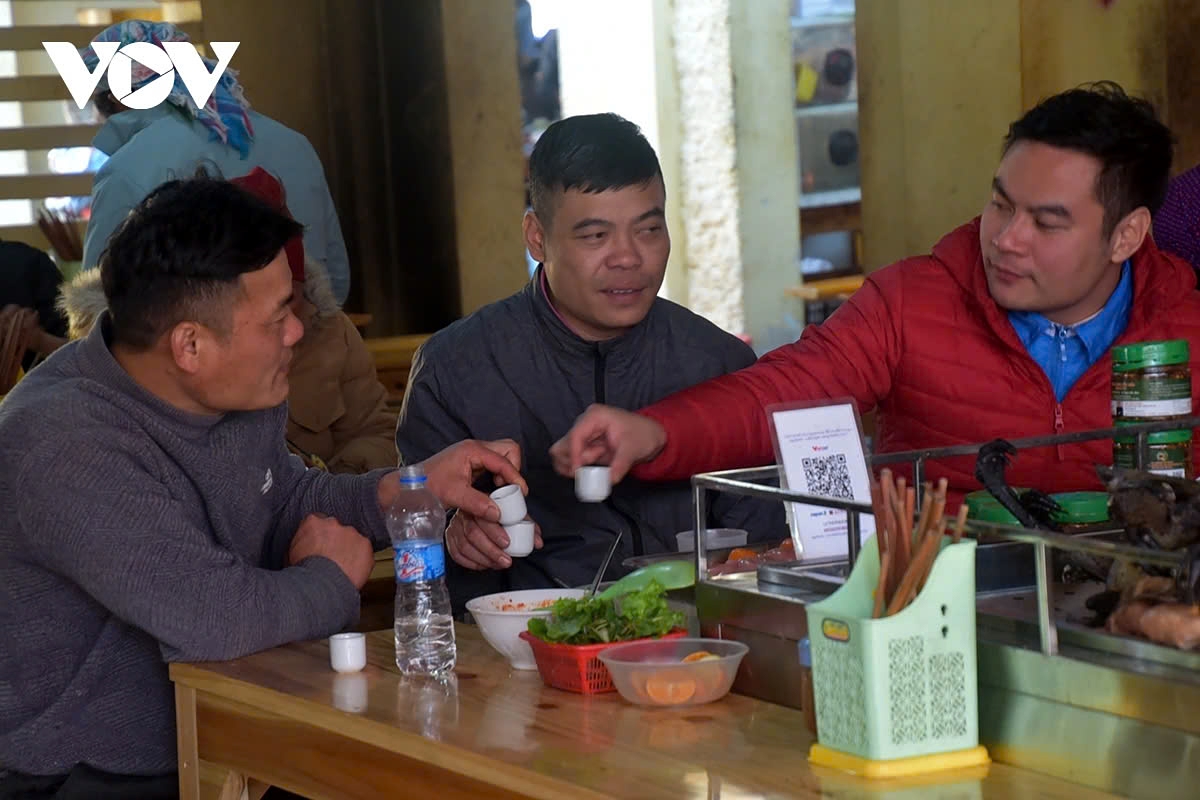
The market fosters connections, with friendships sealed over shots of strong rice wine, a gesture of hospitality and camaraderie.

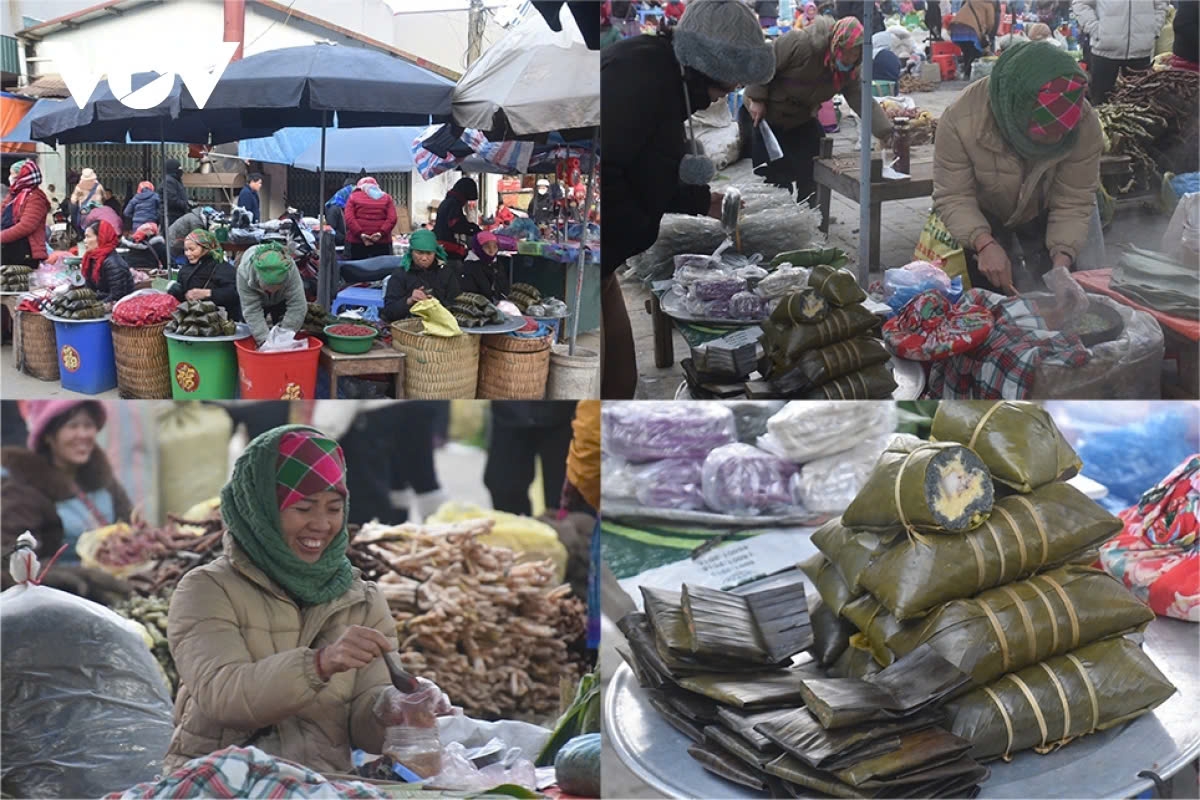
Pre-Tet markets buzz with activity, brimming with goods and people, a testament to the season’s significance.

The Sunday market, always lively, reaches new heights before Tet. Cu A Phu, a young H’mong motorcyclist, notes the festive atmosphere, enhanced by New Year shoppers and tourists alike.

Tourists flock to sample Bac Ha’s specialties: phở chua (sour noodle soup), corn bánh đúc (pudding), sticky rice cakes, and five-color sticky rice, each a culinary masterpiece.

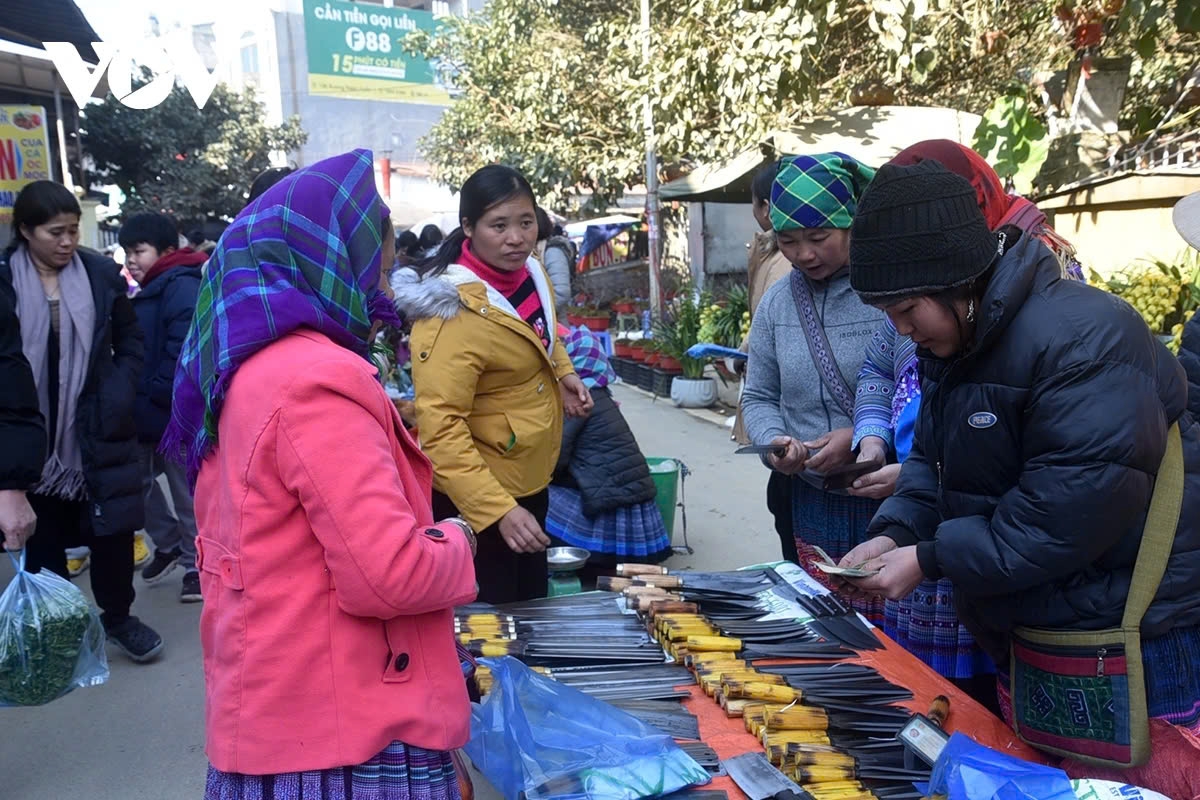
Renowned for their craftsmanship, H’mong artisans display sharp knives, essential tools for Tet preparations, reflecting their ironwork heritage.

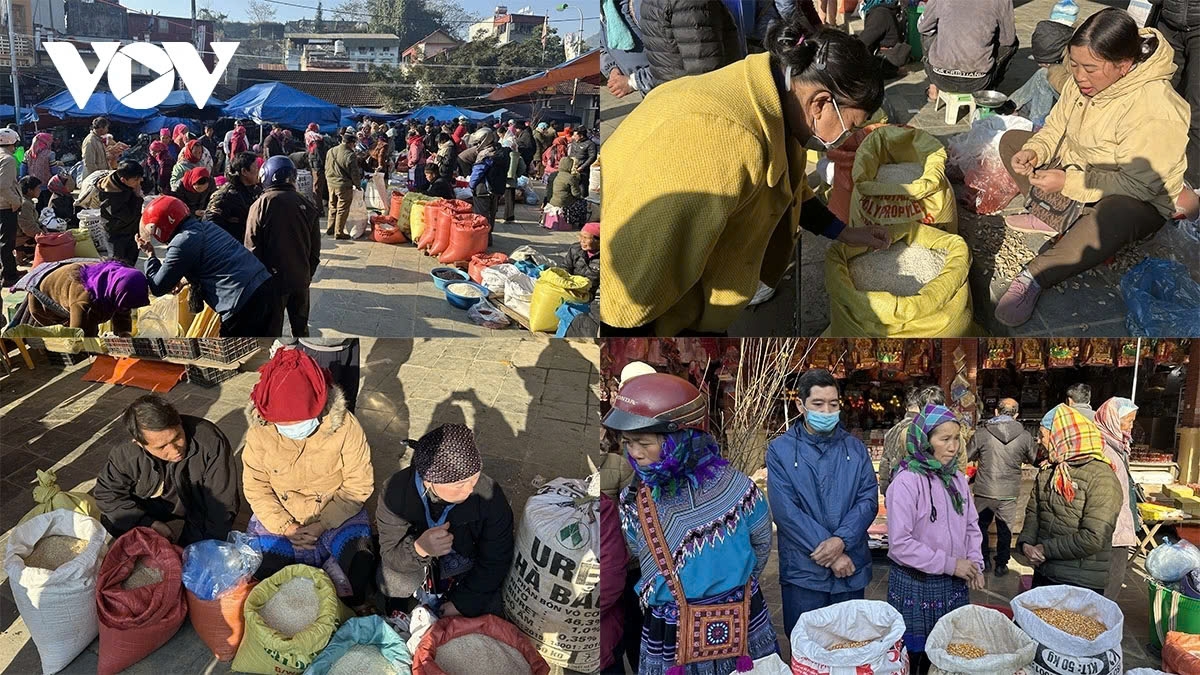
Staples like rice, glutinous rice, and corn are in high demand, as every H’mong household prepares for Tet traditions, from sticky rice to wrapped cakes.

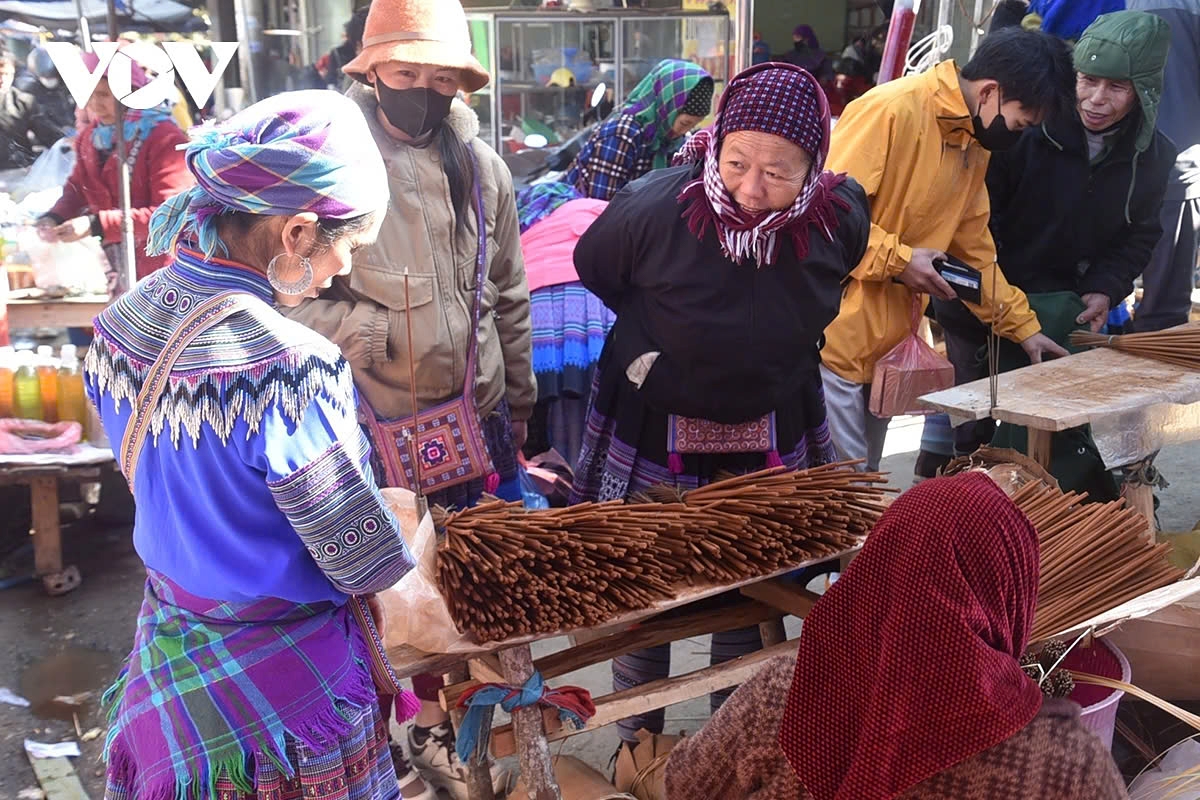
Fragrant herbal incense, a Tet essential, fills homes with aroma, symbolizing purification and celebration.

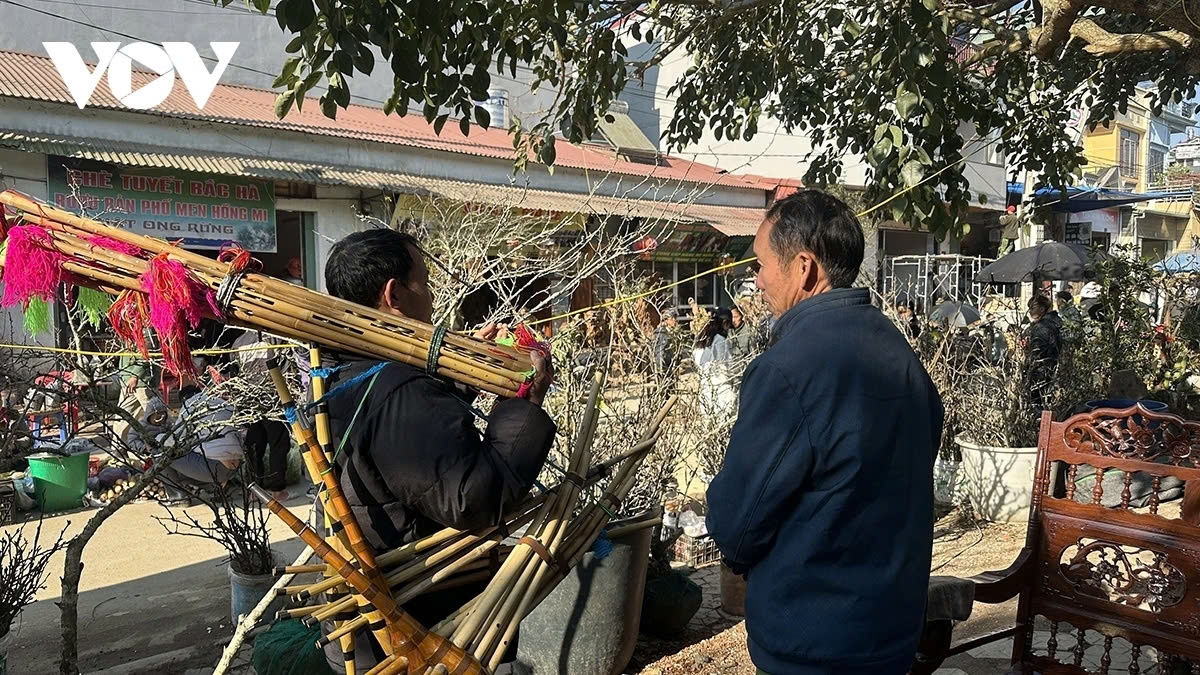
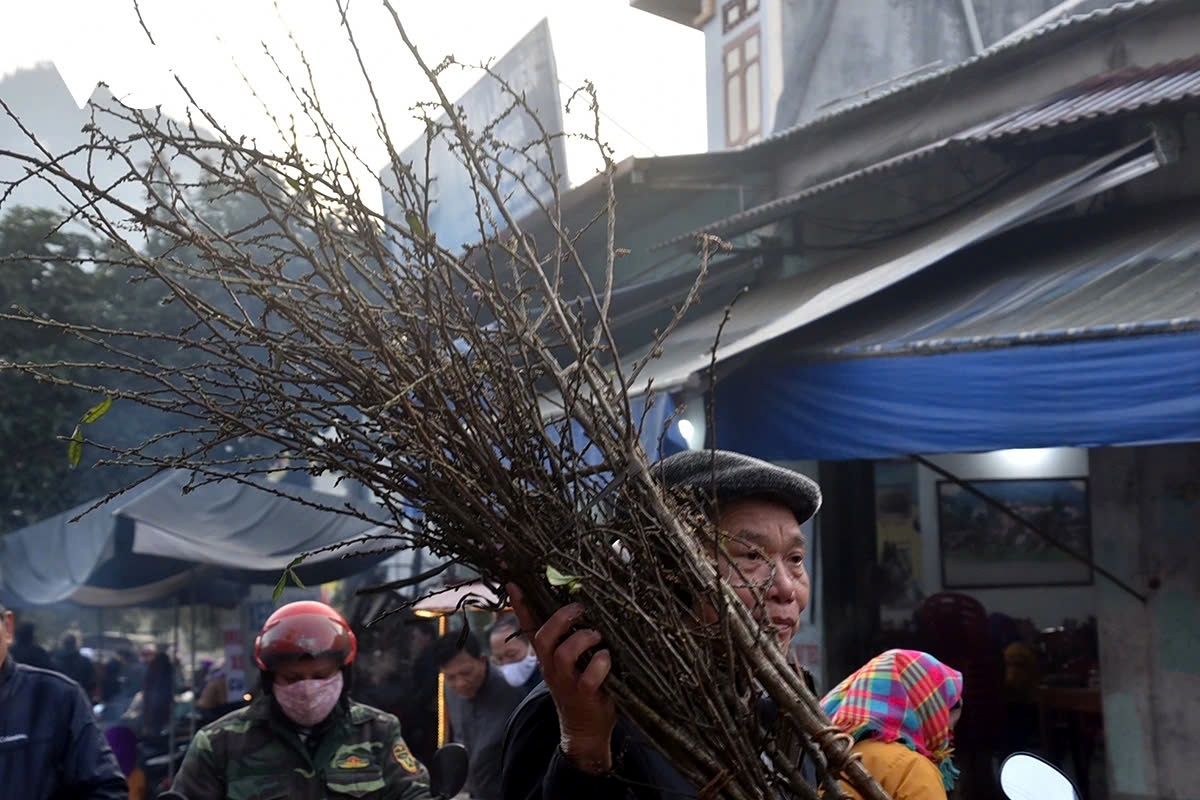
An elder carries wild peach blossoms, a Northwest treasure, adding natural beauty to the market’s vibrant palette.

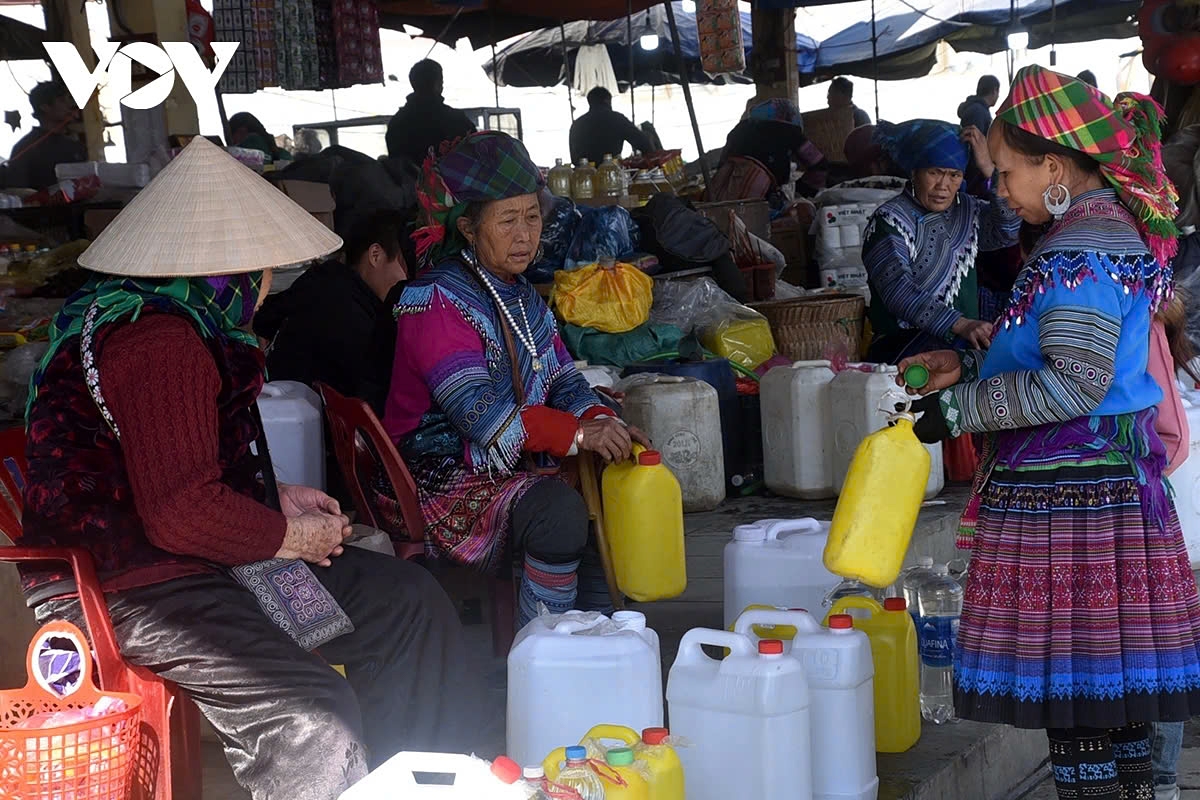
Hồng Mi corn wine, a local fermentation masterpiece, is a festive staple, cherished in every highland home during celebrations.

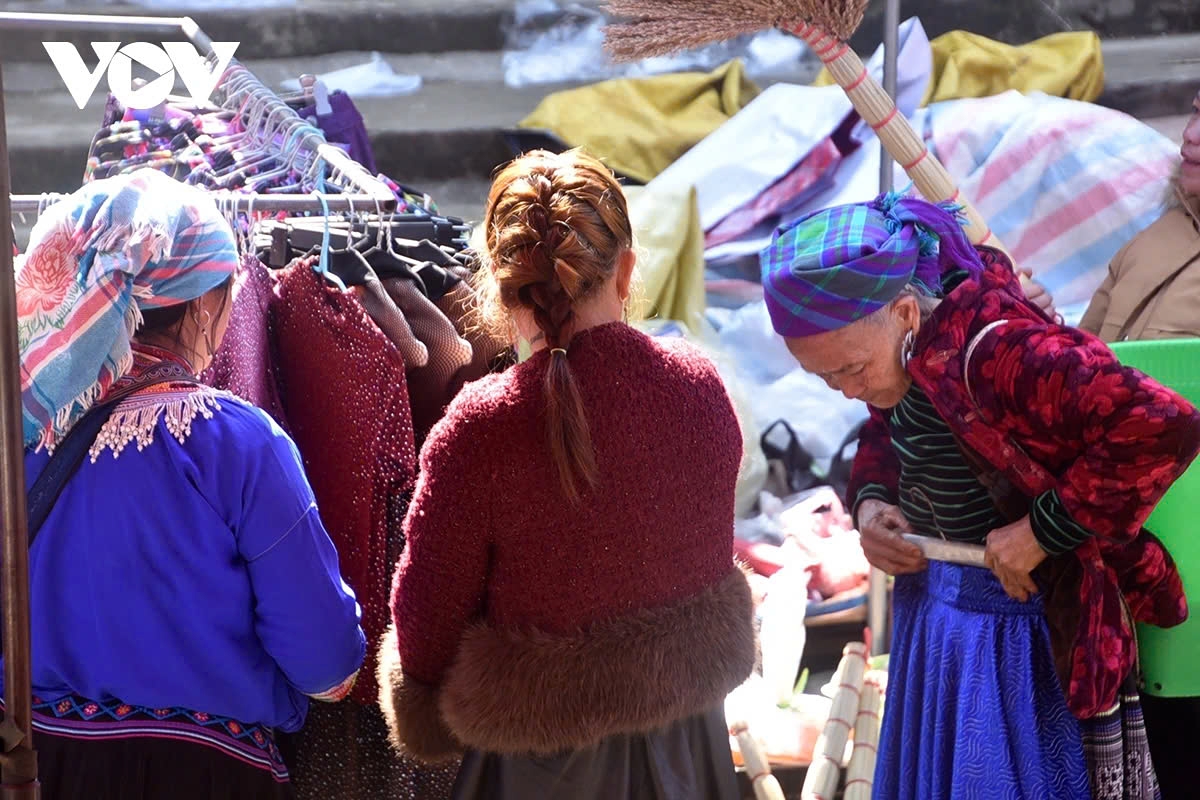
Tet brings joy to all ages, as new clothes symbolize renewal and happiness, worn with pride by young and old alike.

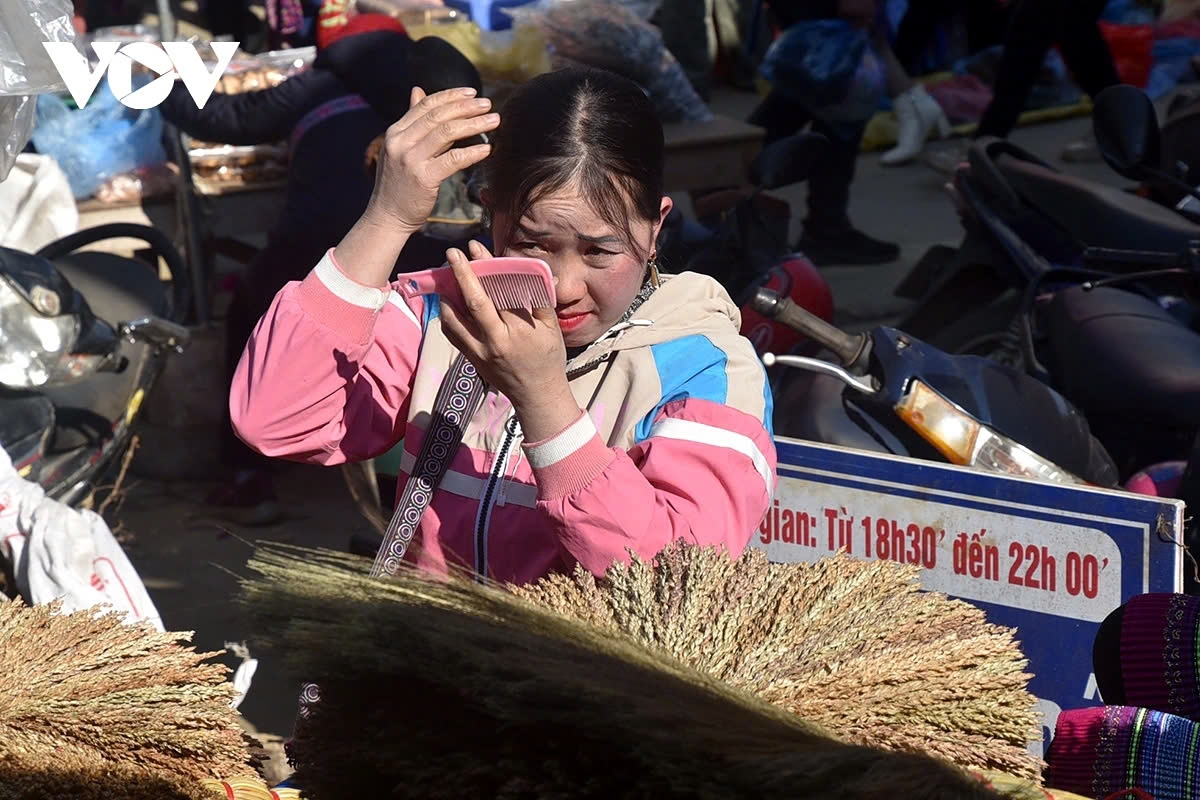
Market days are occasions to dress beautifully, showcasing traditional attire with pride and elegance.

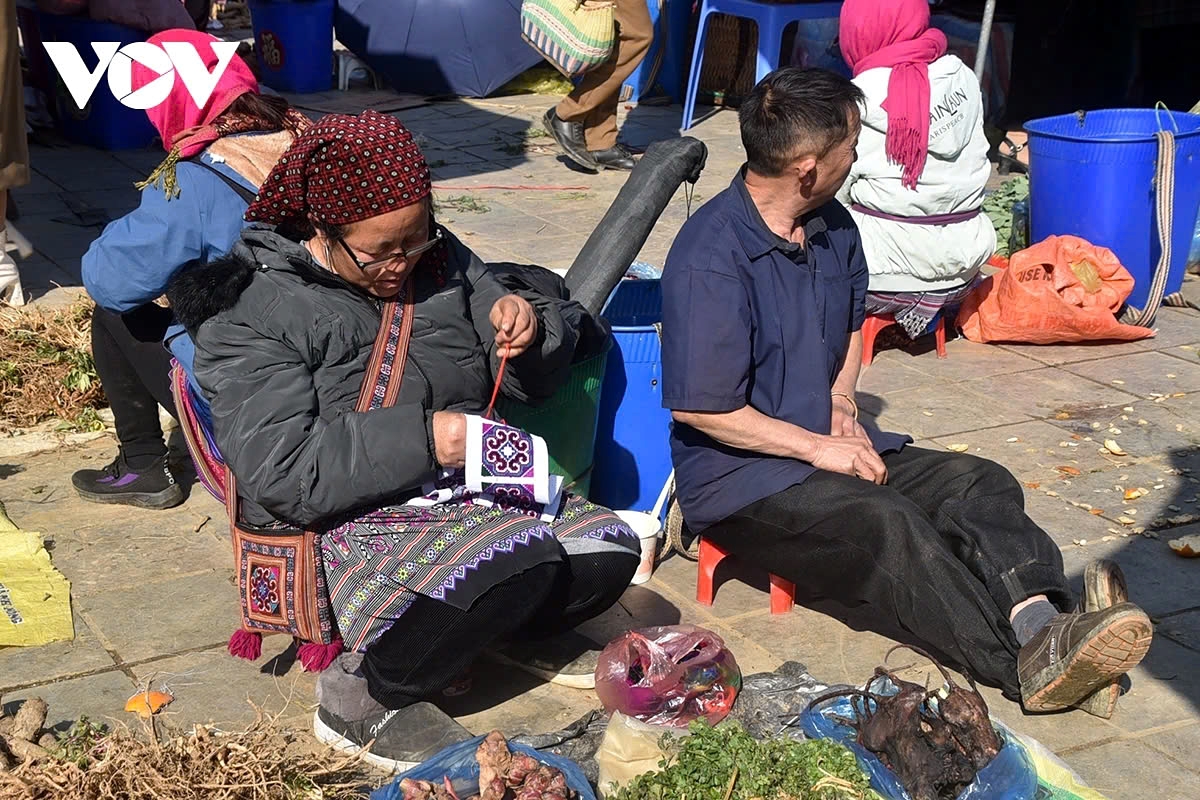
Amidst the bustle, a woman sits serenely, embroidering a traditional dress, her calm a contrast to the market’s energy.

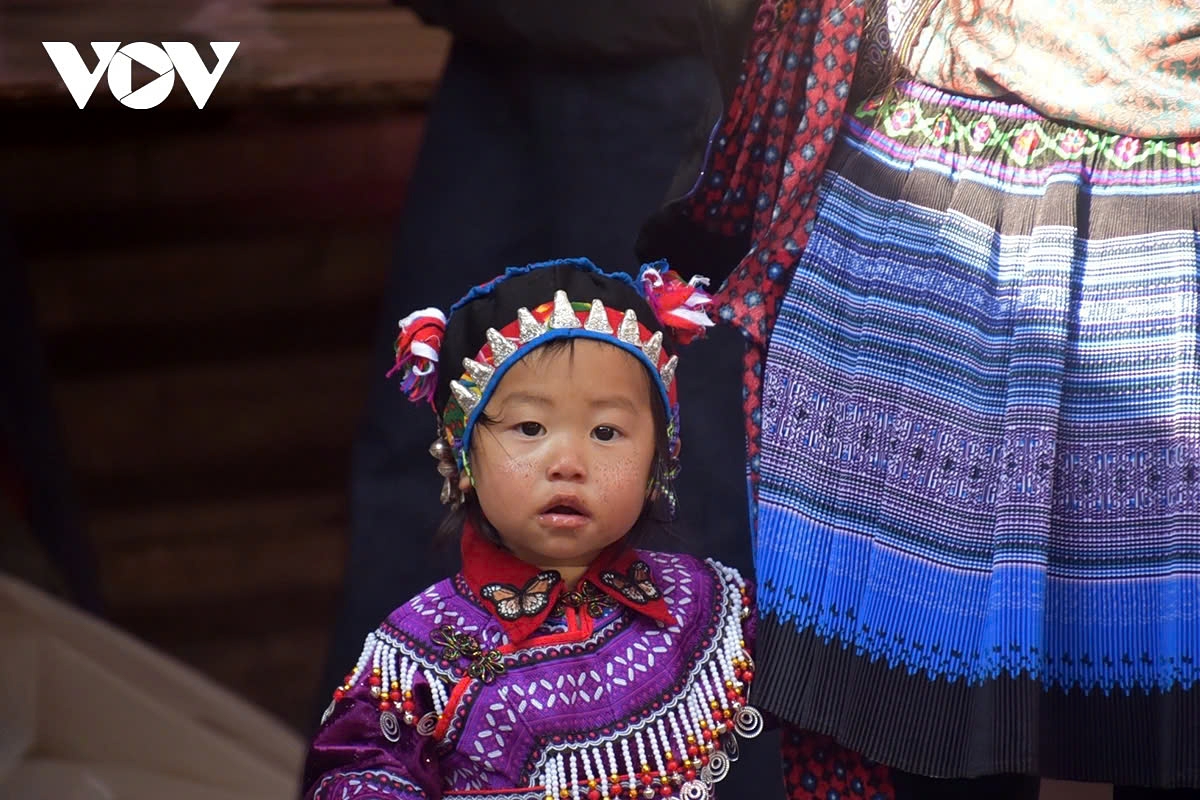
A H’mong child, nestled by her mother’s skirt, observes the vibrant market with wide-eyed innocence, a symbol of the future amidst tradition.
You may also like

Black Mong Apparel: Elevate Your Style with Timeless Elegance
The Mong ethnic minority is divided into four distinct branches: White Mong, Indigo Mong, Black Mong, and Flower Mong, each identifiable by their unique traditional attire.

The Graceful Art of Vietnam’s Traditional Long Dress: A Festival Celebration in Hanoi

The Hanoi Department of Tourism, in a collaborative effort with the Hanoi Women’s Union, the Hanoi Youth Union, and other esteemed agencies, proudly presented the Hanoi 2024 Ao Dai Tourism Festival on October 4. This festival aimed to celebrate and promote the elegant and iconic traditional long dress of Vietnam, the áo dài.

Come Experience the Spectacular Ao Dai Festival in Ho Chi Minh City
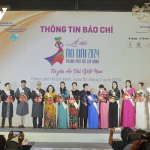
The organizers of the 10th Ao Dai festival, Vietnam’s traditional long dress, have announced that the event will be held in Ho Chi Minh City from March 7 to March 17. This much-anticipated festival will showcase a diverse range of cultural activities, offering visitors a unique and immersive experience. Mark your calendars for this exciting event that celebrates the beauty and legacy of the Ao Dai!

Tet holiday: Past and Present
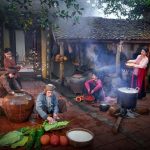
Despite changes over time, Tet, also known as Lunar New Year, continues to hold its position as the most significant festival in Vietnamese culture.

Discover Vietnamese Tet at Duong Lam Village: A Cultural Experience for Foreign Diplomats and Tourists.
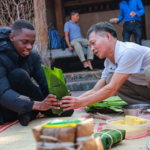
From January 20 to January 21, foreign ambassadors, along with representatives of diplomatic missions and international organizations, will come together in Duong Lam ancient village in Son Tay, a district on the outskirts of Hanoi. They will have the opportunity to experience the traditional Lunar New Year, also known as Tet, which is the most significant and grandest festival in Vietnam.