THE HANOI TIMES — The captivating solo exhibition, Sen Soul – The Soul of Lotus, by renowned artist Ngo Ba Hoang, showcases over 40 exquisite ceramic masterpieces inspired by the lotus. This sacred flower, symbolizing purity, wisdom, and the essence of Vietnamese spirituality, takes center stage in Hoang’s innovative creations.
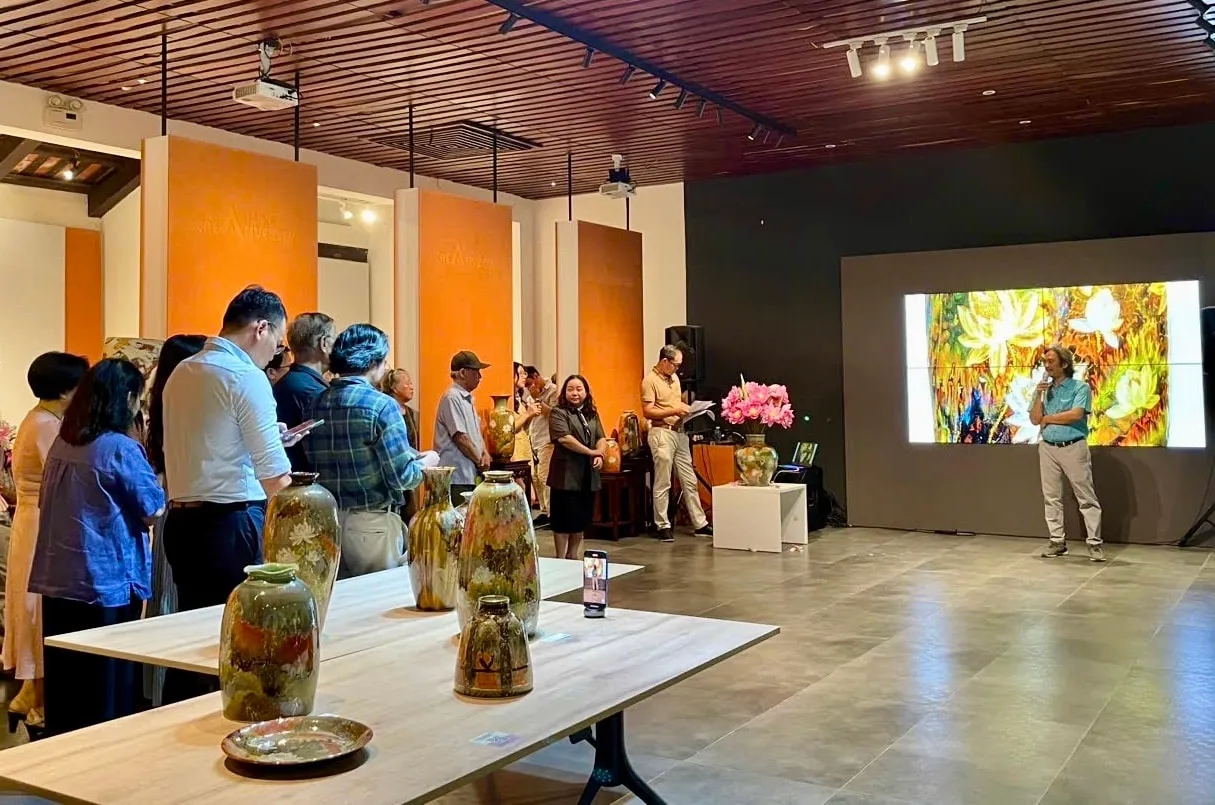
Ngo Ba Hoang presents his groundbreaking collection to captivated visitors. Photo: Hanoimoi
Unveiled on July 26 at the prestigious Hanoi Museum, this exhibition marks the culmination of five years of relentless passion, research, and artistic experimentation. Hoang seamlessly blends traditional Eastern aesthetics with cutting-edge ceramic techniques, creating a unique dialogue between heritage and innovation.
Each meticulously crafted vase, bowl, and sculptural form brings the lotus to life, transforming it into a dynamic character. Sometimes it takes center stage, while other times it whispers softly in the background, inviting viewers to explore the depths of Vietnamese culture and emotion.
“The lotus holds a special place in my heart, not only for its beauty but also for its profound connection to our cultural identity,” Hoang reflects. “In my work, the lotus blossoms seem to converse, embodying the tenderness of family ties, love, and the shared spirit that defines the Vietnamese soul.”
Through Sen Soul, Hoang aims to ignite a deeper appreciation for Vietnamese culture among locals and offer international audiences a poetic window into Vietnam’s rich, thousand-year heritage.
A defining feature of the exhibition is Hoang’s dedication to “gom doc ban” (one-of-a-kind ceramics), a daring artistic path that shuns mass production. These pieces celebrate spontaneity, reflecting the artist’s unique expression and the unpredictable dance of glaze and fire.
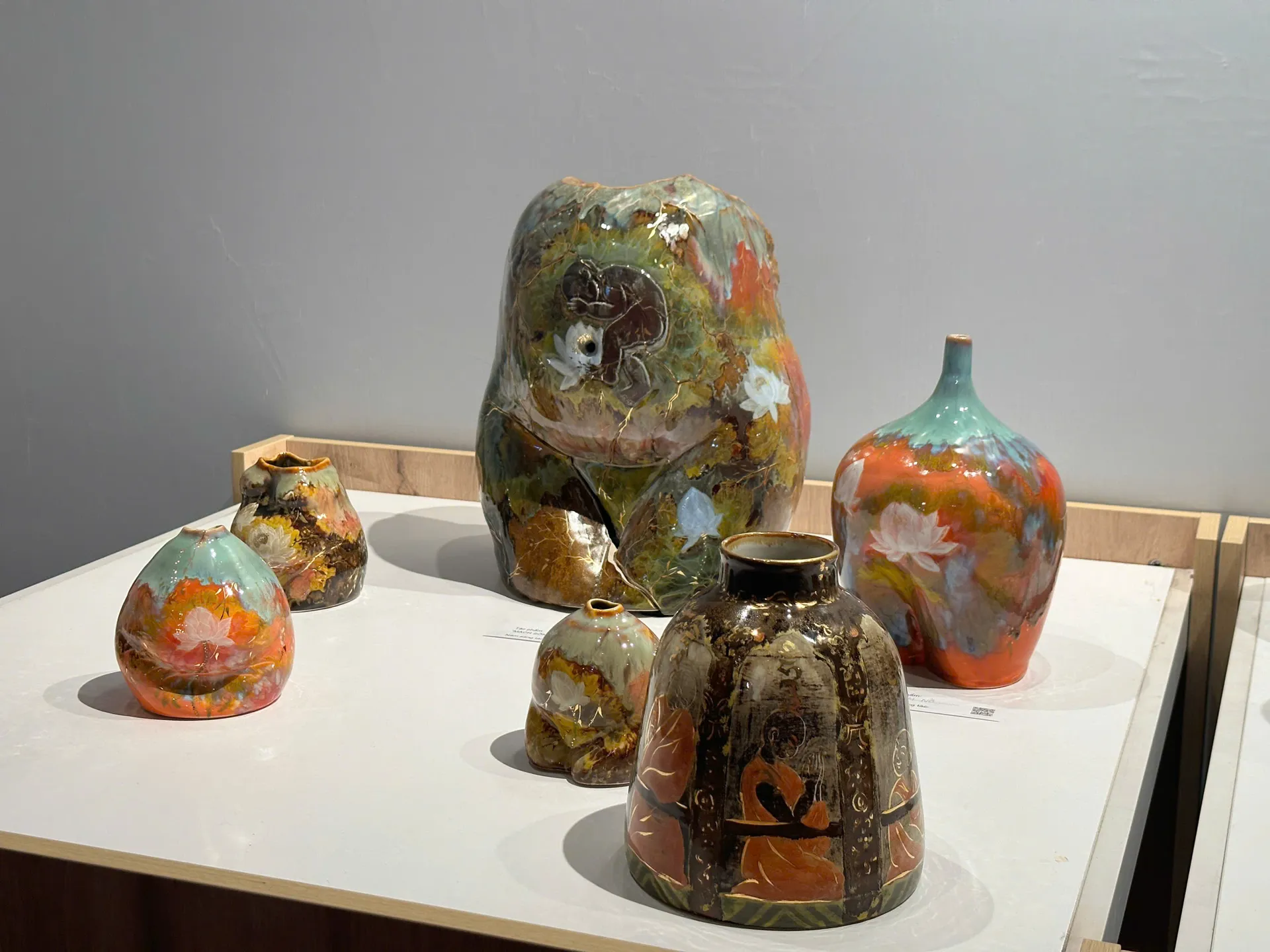
Each ceramic creation boasts a distinct shape and color palette, a testament to Hoang’s artistry. Photos: Khanh Van/Hanoitimes
“I embraced the challenge of experimenting with unconventional glazes, materials never before used in ceramic painting,” Hoang reveals.
Layering premium glazes, Hoang employs brushstrokes reminiscent of Vietnamese lacquer painting, resulting in fresh, original visuals on ceramic canvases.
“The beauty lies in the unpredictability. Each glaze reacts uniquely to different temperatures, ensuring no two pieces are ever identical. Every creation possesses its own distinct identity, shaped by artistic vision and the natural interplay of clay, fire, and glaze.”
Crafted in the heart of Bat Trang Village, Hanoi’s centuries-old ceramic hub, Hoang’s works are deeply rooted in Vietnamese artisanal tradition. For him, working in Bat Trang is not merely about technique but a way to honor and preserve this ancient craft.
“While Vietnamese ceramics may not lead in industrial technology, our strength lies in our artistic vision. By harnessing this, we can undoubtedly claim our place on the global stage.”
As Vietnam strives to develop its cultural industries, Hoang’s journey serves as a powerful example of how traditional crafts can become vibrant pillars of national identity.
“With our rich cultural heritage and artistic potential, I believe we can achieve great things by building upon our existing foundations,” Hoang asserts.
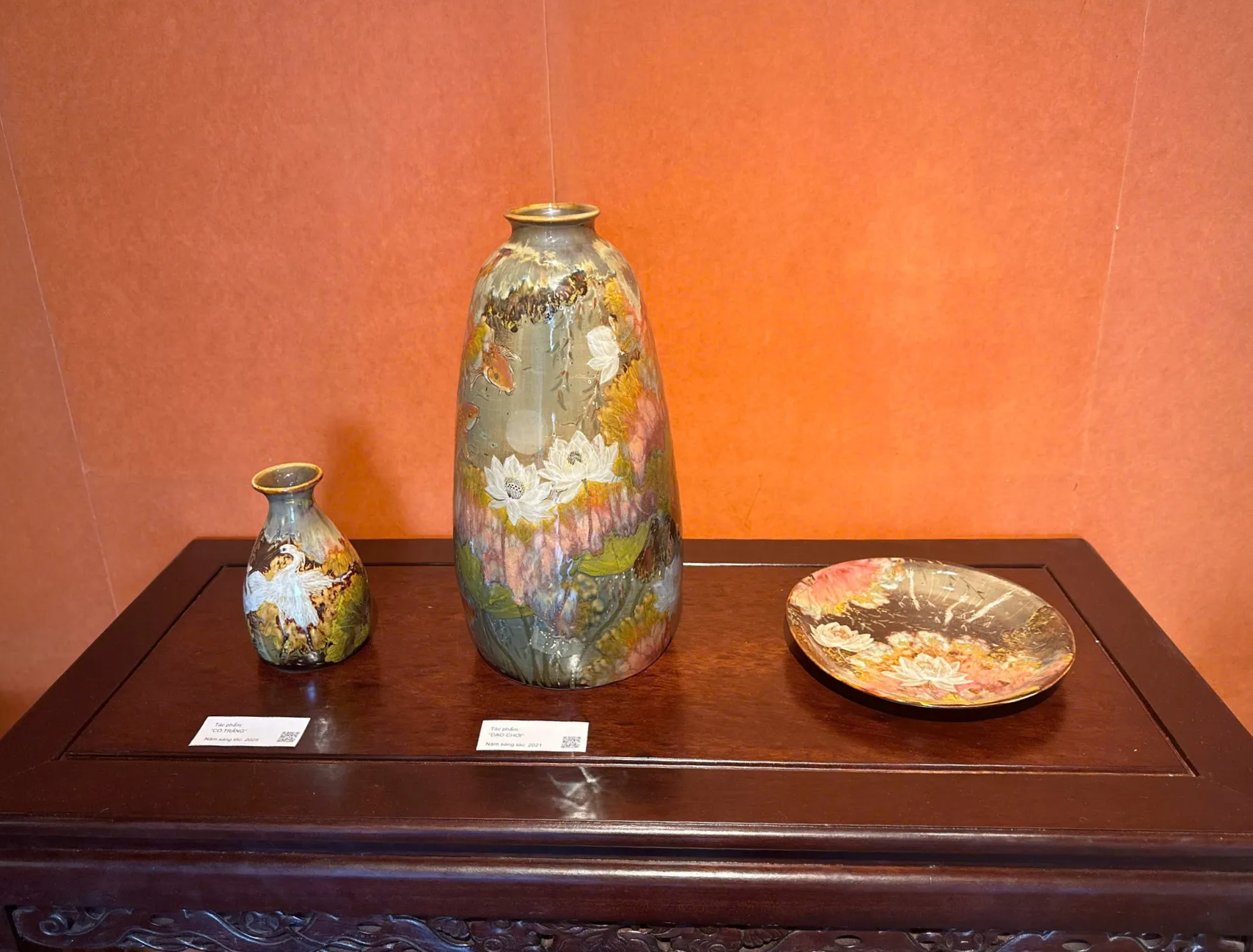
The lotus, a recurring motif in Hoang’s work, symbolizes purity and spiritual connection.

The poignant artwork titled “Me, be va sen” (Mother, Child and Lotus) captures the essence of familial love and cultural heritage.
150 Centuries-Old Ceramics Showcased in Ho Chi Minh City
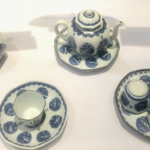
Visitors are invited to delve into the past at the Museum of Ho Chi Minh City, where a captivating exhibition showcases a diverse collection of rare ceramic antiquities. Spanning from the 11th century to the mid-20th century, these artifacts transport viewers back in time, offering a glimpse into the rich history of this region. Explore this unique display and immerse yourself in the beauty and craftsmanship of centuries past.
British Museum and Library Unveils Materials Relating to Vietnam War
Recently, valuable documents showcasing Vietnamese culture and the longstanding relationship between Vietnam and the United Kingdom have been unveiled at the British Museum and British Library.
Exhibition offers insight in two millennia of Vietnamese ceramics
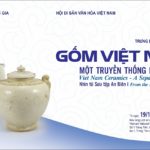
NDO/VNA – A panorama of the Vietnamese ceramics throughout over-2,000-year history will be reflected through an exhibition set to open at the Vietnam National Museum of History in Hanoi on November 19.
Exhibition welcomes upcoming Lunar New Year
NDO – Xua va Nay (Past and Present) Magazine coordinated with Heritage Inns to open an exhibition featuring the Tiger – animal designation of the 2022 Lunar New Year, in Hanoi, on January 8.
A traditional soup fit for a king
Bat Trang on the outskirts of Hanoi is famous for ceramic products, but also has some unique traditional cuisine, including bamboo shoot and squid soup.