
Unveiling Lam Kinh: Vietnam’s Imperial Legacy
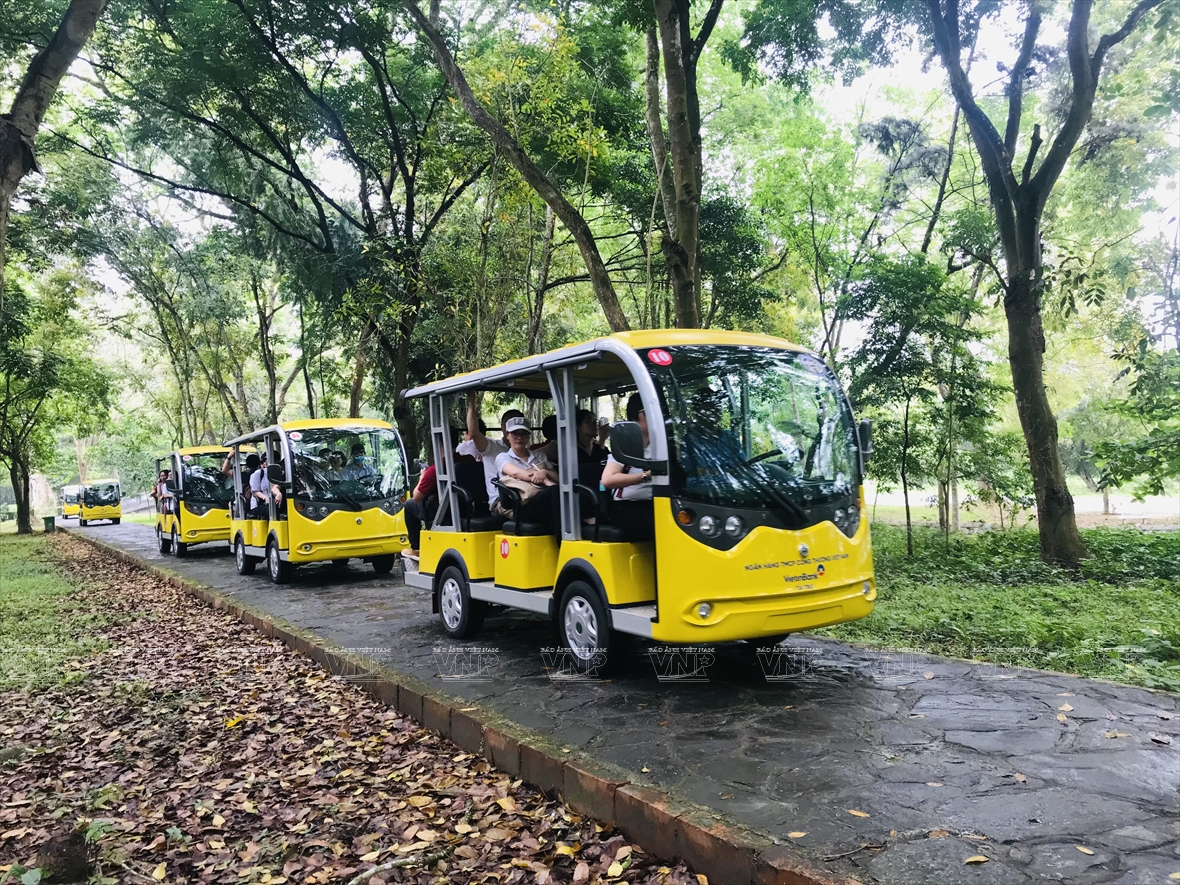
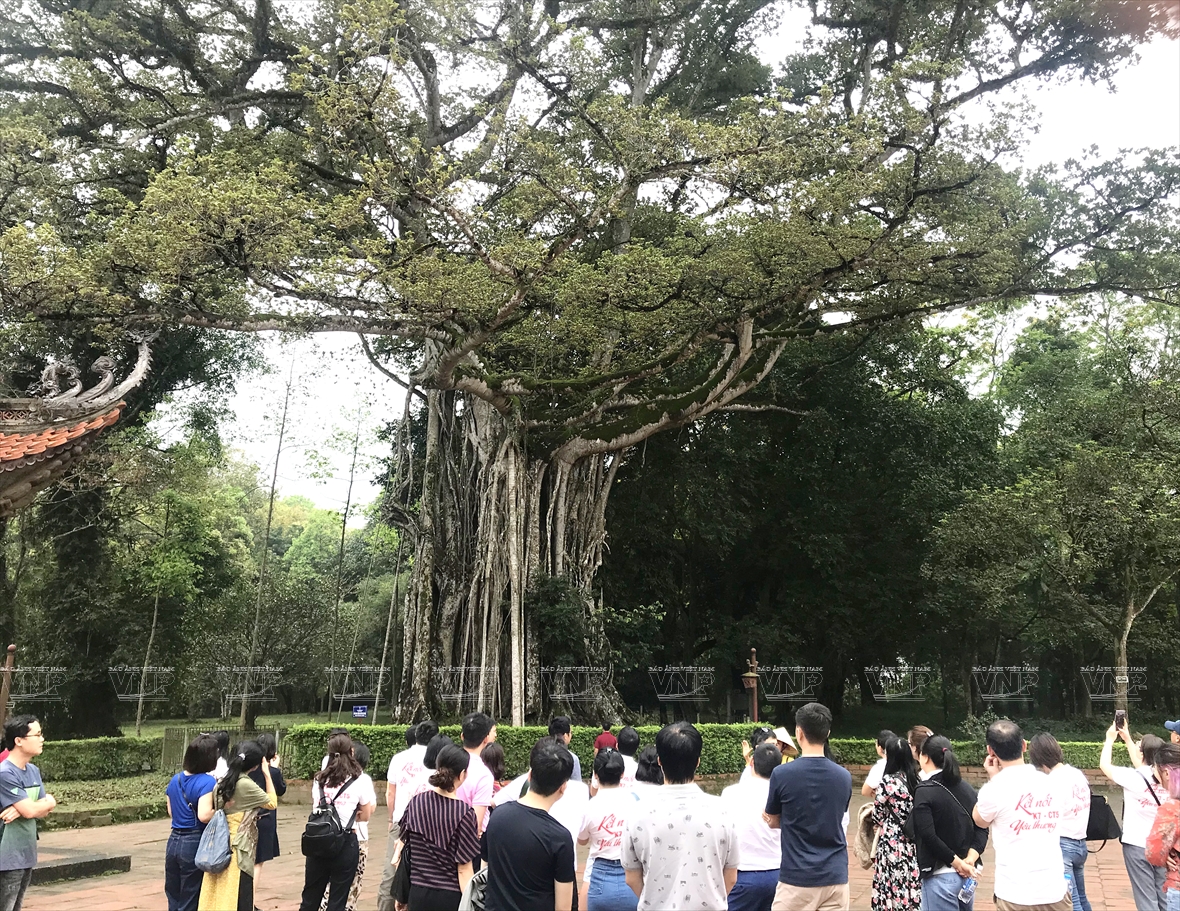
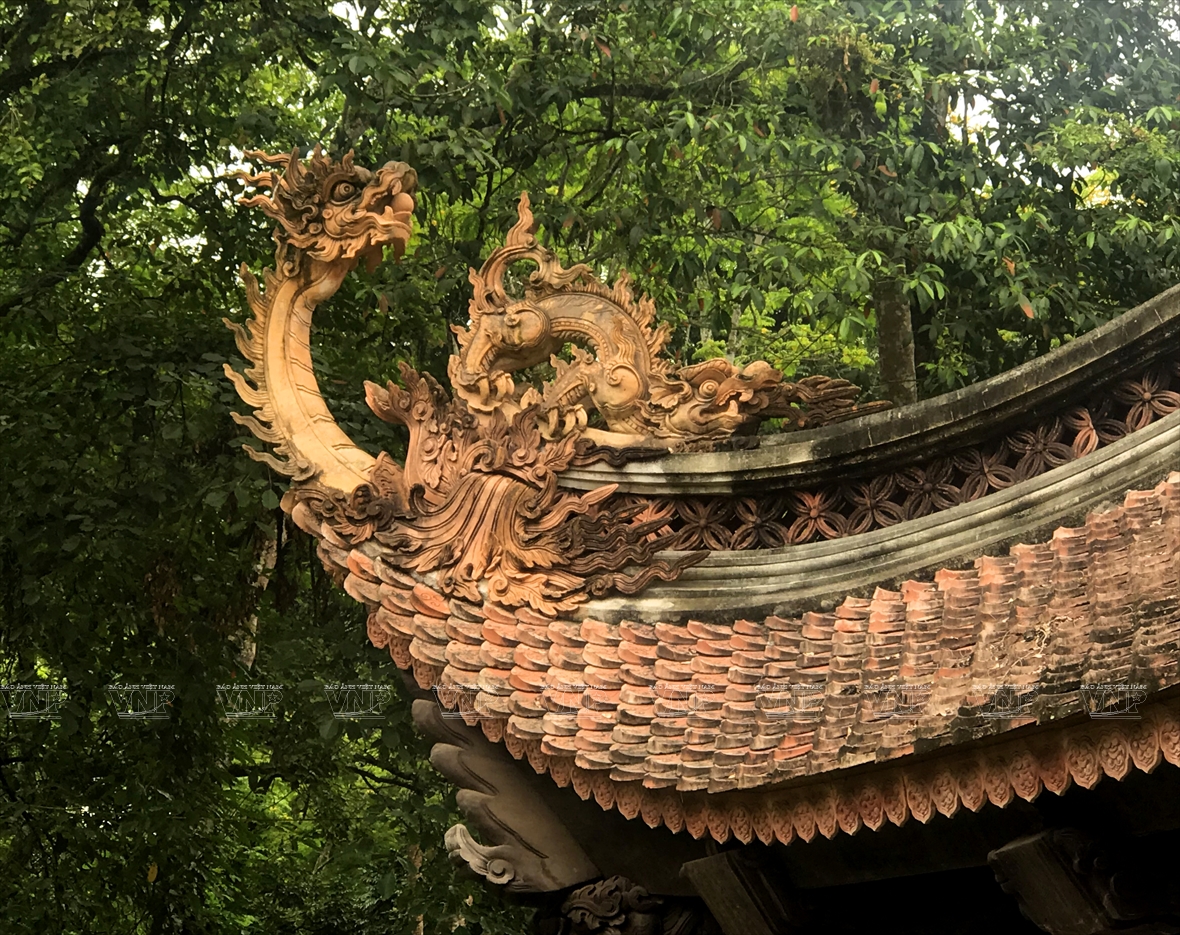
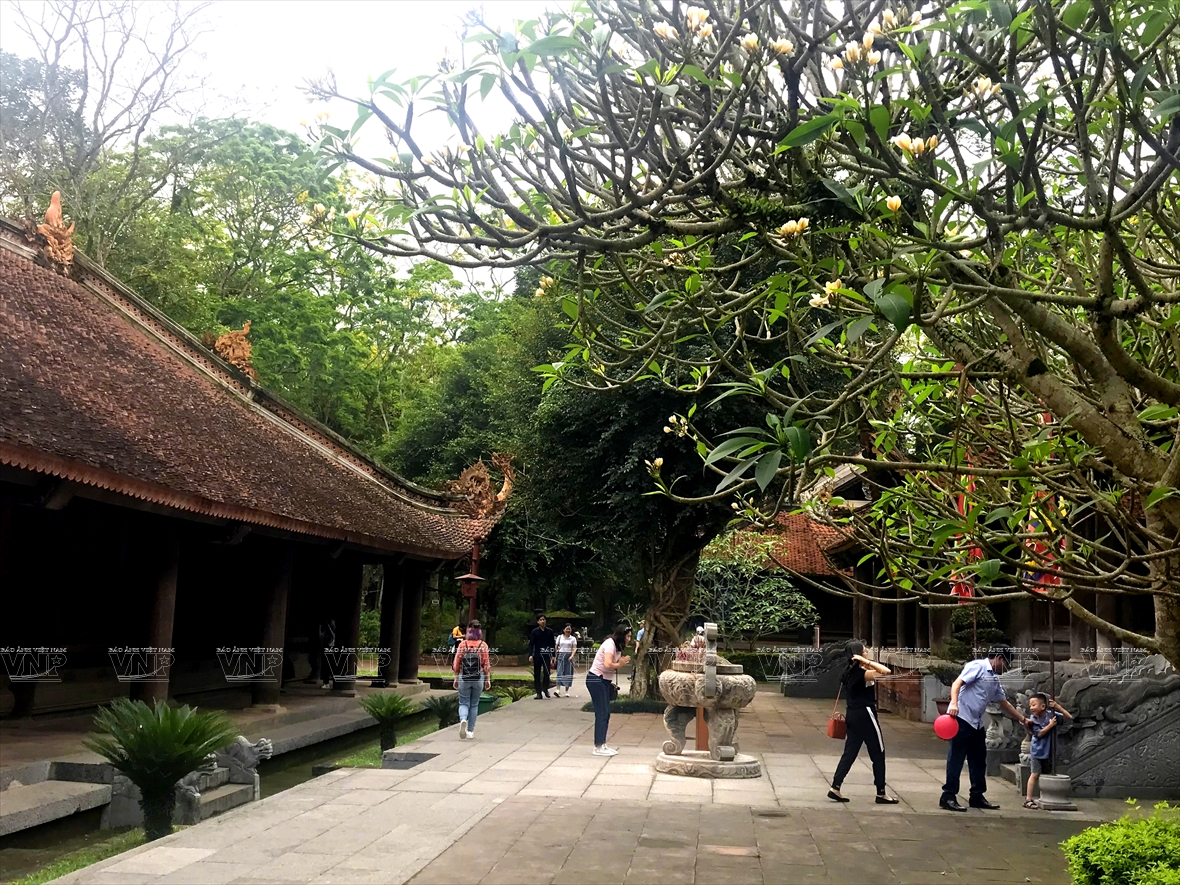
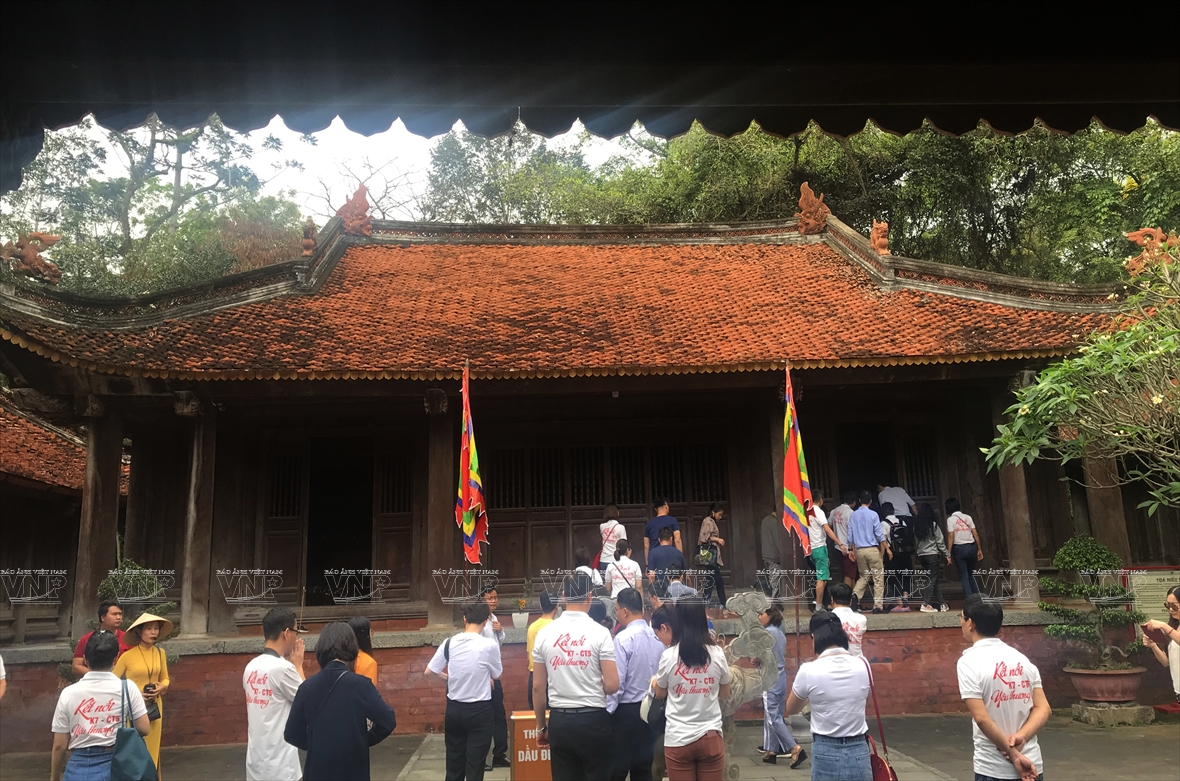
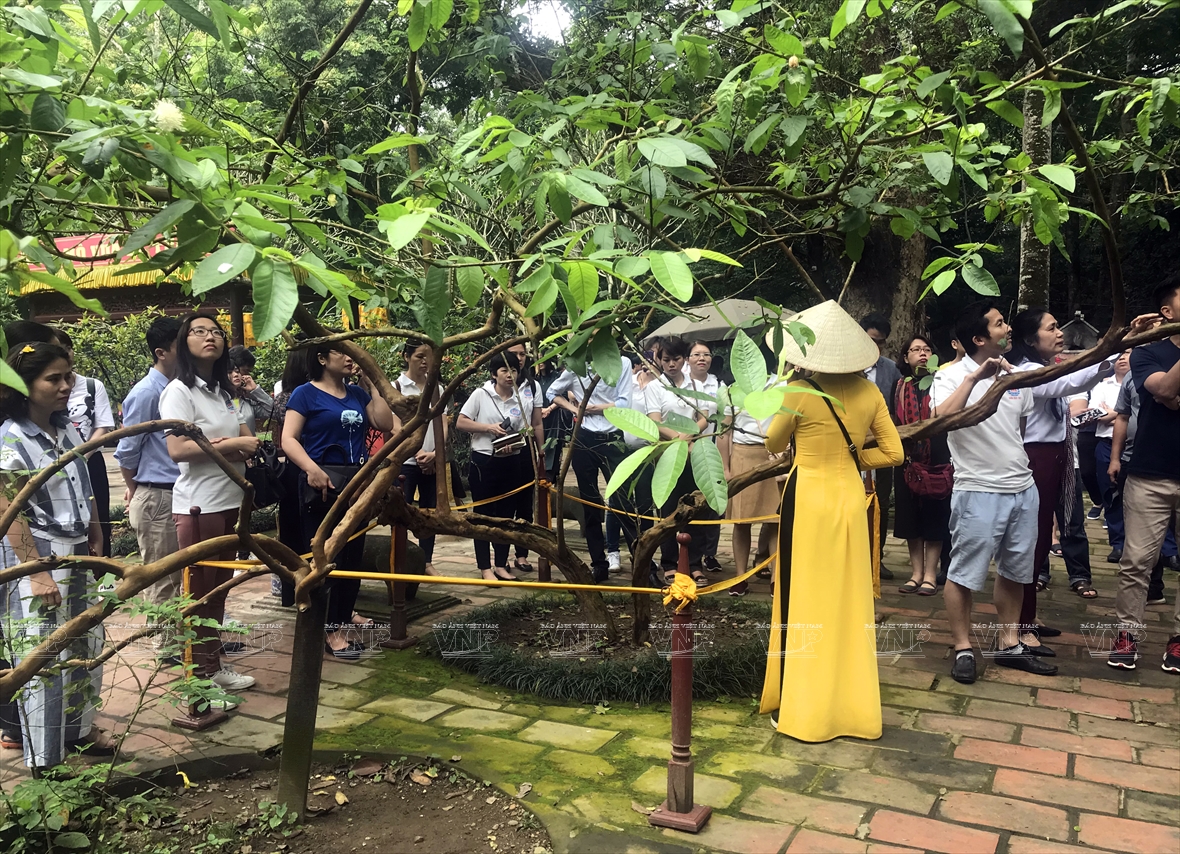
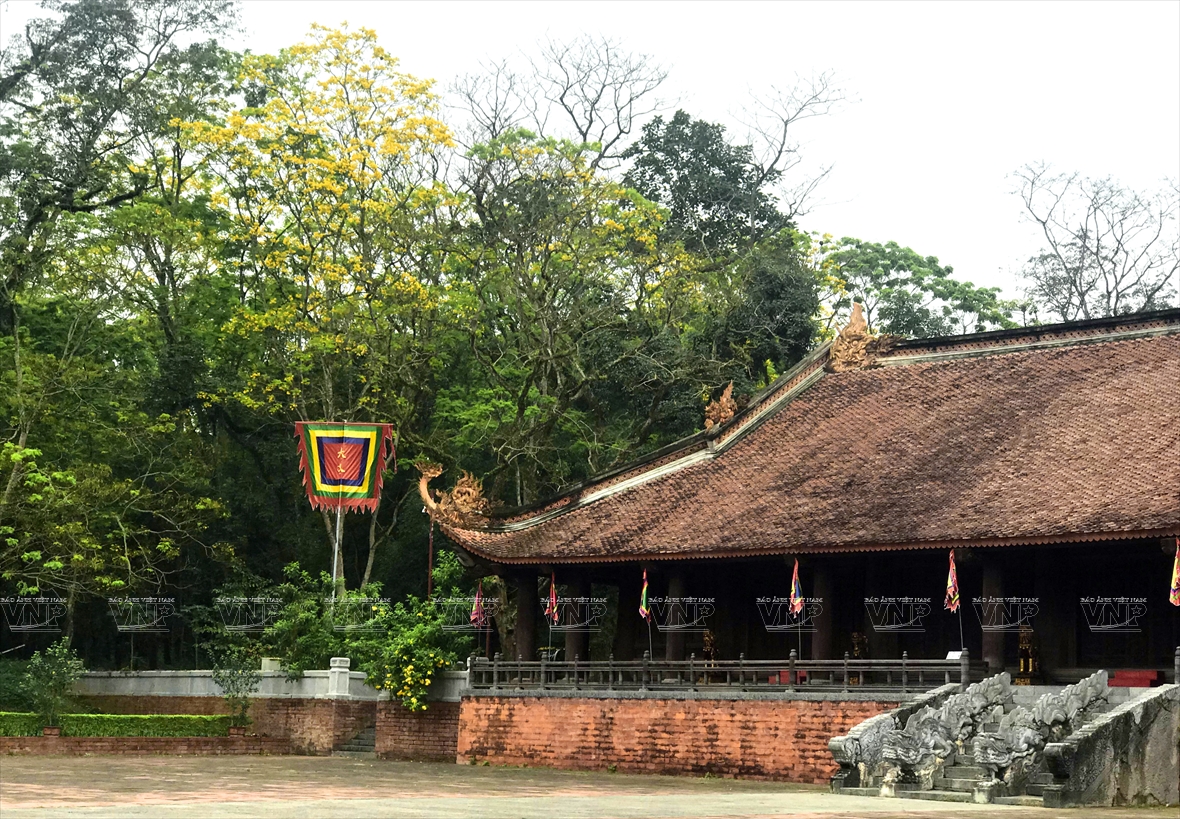
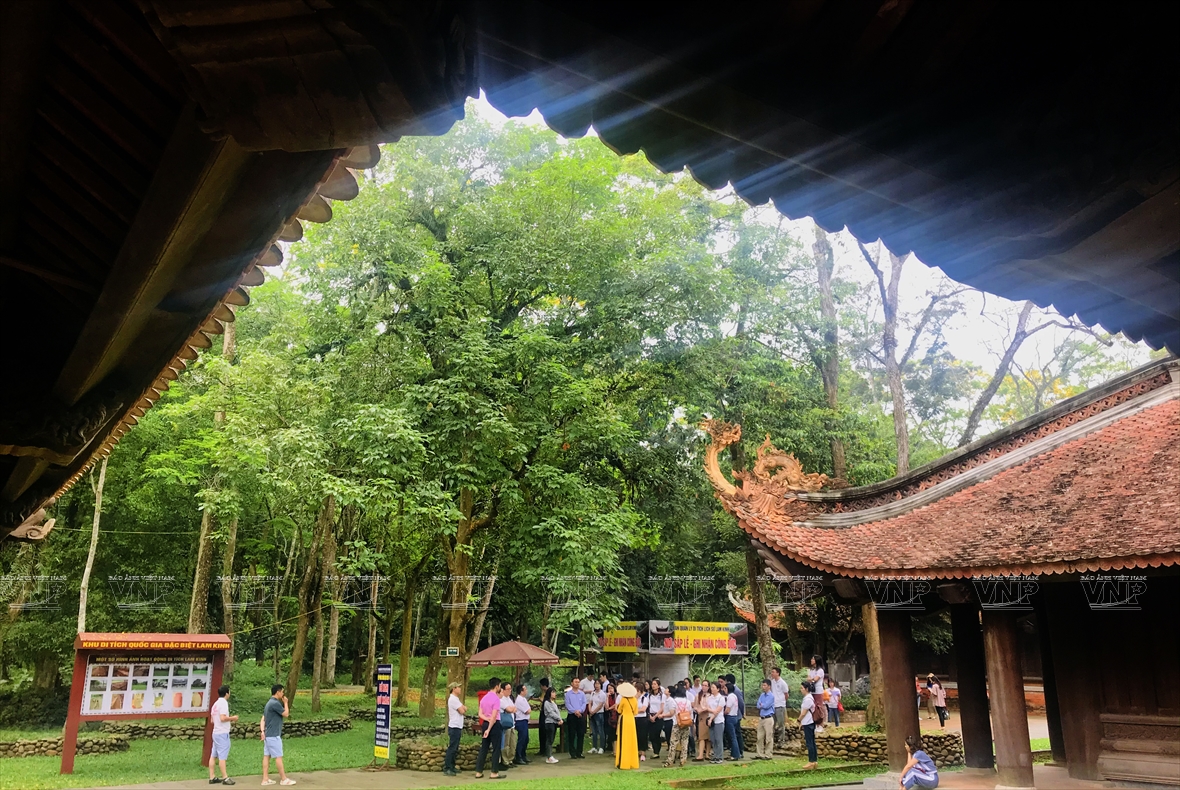
Nestled in Tho Xuan district, Thanh Hoa, Lam Kinh stands as the second imperial city of the Later Le Dynasty, a special national relic shrouded in the mystique of Vietnam’s most prosperous feudal era.
Originally known as Lam Son, this sacred ground was the birthplace of national hero Le Loi (1385-1433). From here, he ignited the Lam Son uprising, successfully repelling the Chinese Ming invaders (1418-1428). Ascending the throne in 1428 as Le Thai To, he founded the Later Le Dynasty. In 1430, he renamed Lam Son to Lam Kinh (also known as Tay Kinh), establishing it as a royal necropolis with temples and tombs dedicated to his lineage. Each year, Le Dynasty kings embarked on a pilgrimage from Thang Long citadel to Lam Kinh, paying homage to their ancestors.
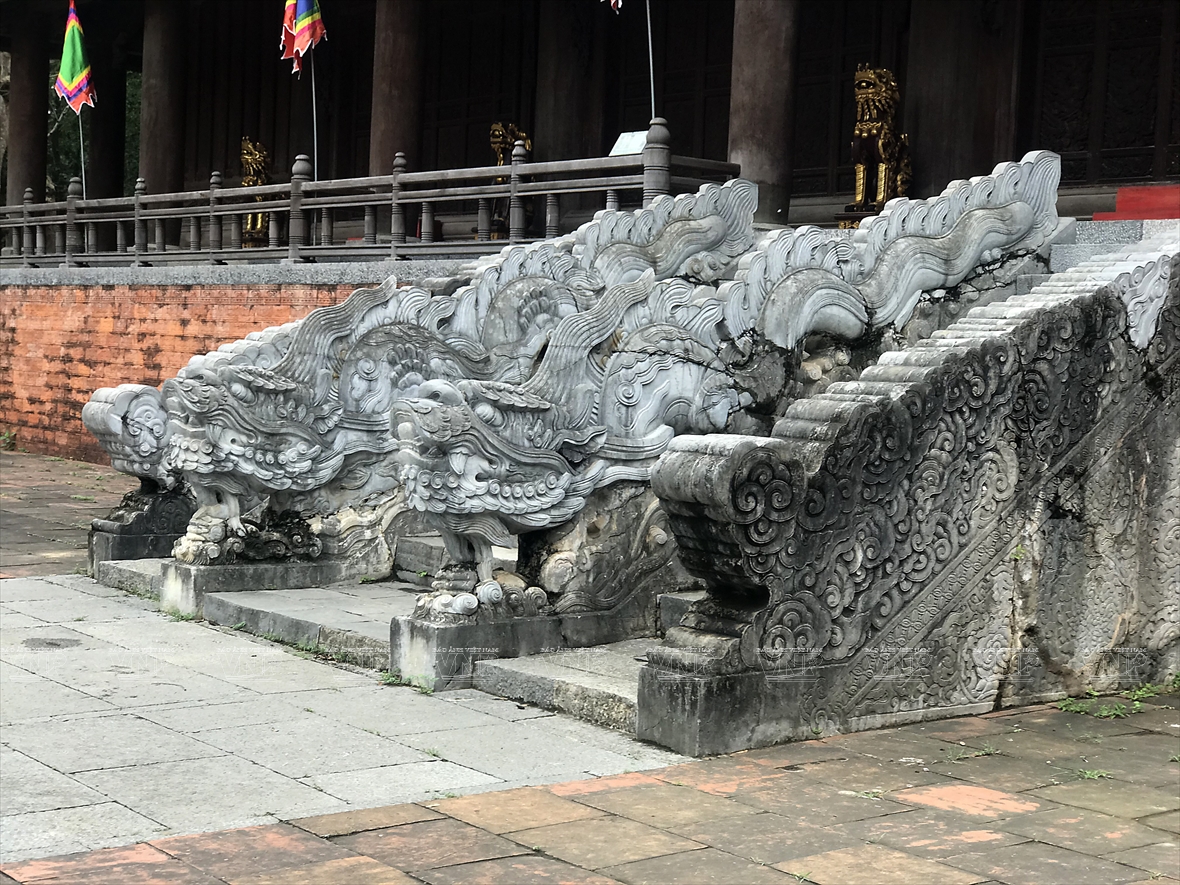
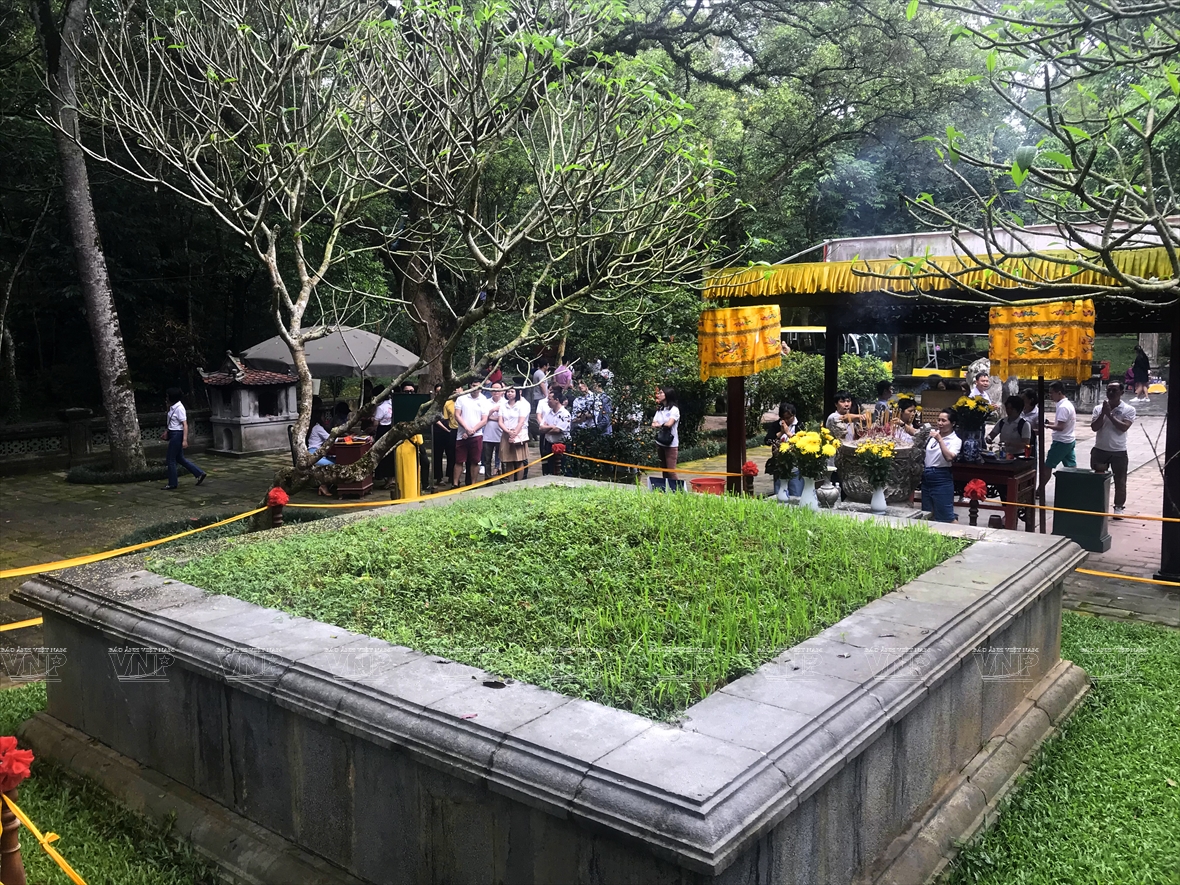
Lam Kinh houses the tombs of Later Le Dynasty monarchs, each a unique architectural masterpiece with distinct flanking statues. Notably, the tomb of Queen Ngo Thi Ngoc Giao, mother of King Le Thanh Tong, is guarded by female statues, a rare deviation from the traditional male figures. Other prominent tombs include Huu Lang (King Le Thai Tong), Lang Khon Nguyen (Queen Ngo Thi Ngoc Giao), Chieu Lang (King Le Thanh Tong), Du Lang (King Le Hien Tong), and Kinh Lang (King Le Tuc Tong).






Buu Long Pagoda: Stunning Spiritual Spot Ranked in Top 10 Most Beautiful Places Worldwide
Buu Long Pagoda, located in Ho Chi Minh City, has recently emerged as a popular destination for spiritual tourism, drawing visitors from around the globe.
Vietnamese Youth Abroad to Experience Traditional Games at Summer Camp 2023

On July 23, 120 overseas Vietnamese youth continued their journey of the Vietnam Summer Camp 2023 to Thanh Hoa, having left Phu Tho and Ninh Binh. During their stay, they had the opportunity to partake in many unique and exciting experiences.
Films Inspired by Nguyen Trai to be Shown in 30 Nations

It is anticipated that a movie about the wrongful conviction of Nguyen Trai will be released by the end of 2024.
Unique architecture of Keo Hanh Thien pagoda
NDO – Located in the confluence of Hong (Red), Thai Binh and Ninh Co rivers, Keo Hanh Thien pagoda was built as an initiative of Zen master Duong Khong Lo in 1061, under the reign of King Ly Thanh Tong (1023 – 1072).
Northern countryside brought to life in miniature
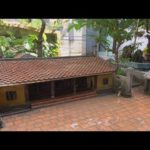
A young Hanoi man has jogged the memories of those who love the northern countryside with his scale models depicting the region’s ancient houses, communal houses, and pagodas.

