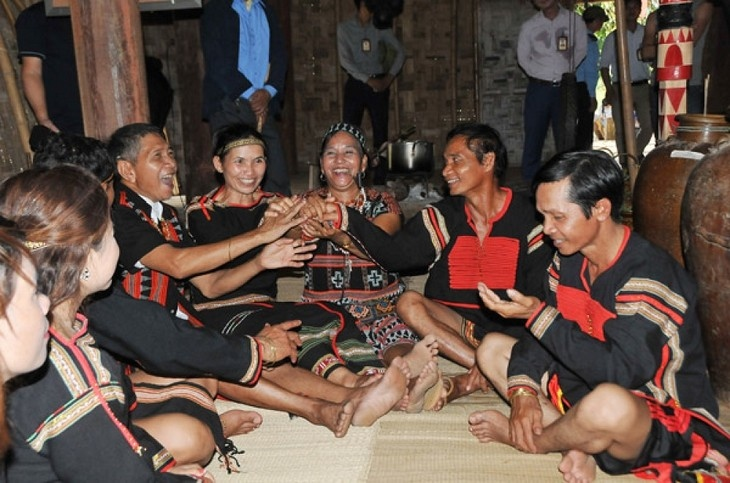
The Brotherhood Ceremony, a deeply spiritual and communal ritual, remains a revered tradition observed with great respect to this day.
“I am deeply grateful for my three-year friendship with Y Dao. We extend our gratitude to our parents for witnessing our brotherhood ceremony. From this moment forward, we pledge to support each other’s families and wish our parents enduring health and happiness,” shared Y Nhim during the twinning ceremony.
Y Nhim and Y Dao, residents of Ea Tar commune in Dak Lak province, crossed paths three years ago. Their friendship blossomed into a desire for brotherhood, leading them to organize a solemn ceremony attended by a shaman, their families, and the entire village community.
“I shared my intentions with my parents, and they wholeheartedly agreed. I then informed our relatives and neighbors about the ceremony. My father is overjoyed to welcome another son into our family. As he ages, he will have the support of many children,” Y Nhim added.
Y Thon Niem, an elder from the village who attended the ceremony, remarked, “The twinning ceremony holds immense significance in Ede culture. From this day forward, the two are bound as brothers for life.”
In Ede tradition, the brotherhood ceremony is entirely voluntary, symbolizing unity between individuals or even entire villages. Following the ceremony, the bond between the twinned individuals strengthens, fostering mutual support in all aspects of life. Their friends, children, and relatives embrace one another as members of a shared family.
Typically, the ceremony takes place at the home of one of the participants. The host prepares ten jars of traditional liquor, a pig, two chickens, sticky rice, and an assortment of spices. Bronze bracelets, symbolizing the cycle of life, are an essential element of the ritual.
“Bronze bracelets represent the unbreakable bond of family. They must be safeguarded with care, as losing one is believed to bring misfortune or illness. These bracelets unite the hearts of the twinned individuals. When away from home, a bright and clean bracelet signifies the well-being of one’s family. A stained bracelet, however, may indicate illness or adversity,” explained I’ruk A yun of Ea Tar commune.
Once all guests have gathered, the ceremony commences with the resonant sound of gongs. Women are seated on the south side of the house, while men occupy the north side. The twinned individuals sit beside the ceremonial offerings, as the shaman conducts the ritual with solemnity.
Following the ceremony, each participant receives a bronze bracelet. The celebration continues with a feast, marking the newfound bond. A crucial taboo dictates that the twinned individuals must never engage in conflict or discord. Violating this taboo results in a significant fine, such as two or three pigs, a buffalo, or a cow.
“I take great pride in our traditions and hope future generations will cherish and preserve Ede culture,” expressed H’Duon Nie, an Ede woman.
Twinning ceremonies have fortified community ties and empowered the Ede people to overcome challenges, fostering a life of happiness and prosperity.
Discover the extraordinary customs of the Tay community with Ket Tong
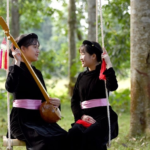
Living in secluded mountain areas, the Tay ethnic minority people form tight-knit communities in small hamlets. With limited interaction with outsiders, they actively seek opportunities to expand their social networks and foster new friendships.
Blood oath ceremony of the Mnong in Dak Lak
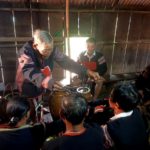
The custom of twinning two persons of different blood lines as brothers is popular in Vietnam, for the Mnong in the central province of Dak Lak, the twinning ceremony ties the two persons and their families.
To Mon friendship ceremony of the Ba Na
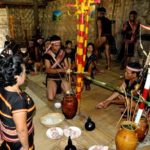
The Ba Na of Vietnam’s Central Highlands celebrate many festivals each year, including a peace worship, a new rice ceremony, and To Mon – a ceremony to strengthen solidarity.
“Ruou can” represents Ede people’s solidarity, hospitality
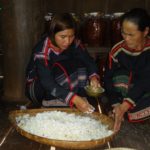
“Ruou can” is an indispensible rice wine at important events such as the New Year celebration of ethnic people in the Central Highlands. Several weeks before the Lunar New Year, the Ede people of Dak Lak province begin to distill wine to serve their relatives and friends.