Weave Your Own Story: An Immersive Silk Weaving Experience in Nha Xa
Nestled in Mac Nam commune, Ha Nam province, just 70 kilometers from Hanoi, Nha Xa Silk Weaving Village stands as one of Vietnam’s most historic and celebrated traditional silk-weaving hubs, rivaled only by the renowned Van Phuc Village in the capital.
Once Vietnam’s second-largest silk producer in the early 20th century, Nha Xa village faced decline post-1980s. Today, it thrives again through mechanization and expanded market reach.
The art of silk weaving from Nha Xa has spread to nearby Ha Nam areas like Lanh Tri, Chuyen Ngoai, Hoa Mac, and Dong Van, enriching the region’s textile heritage.
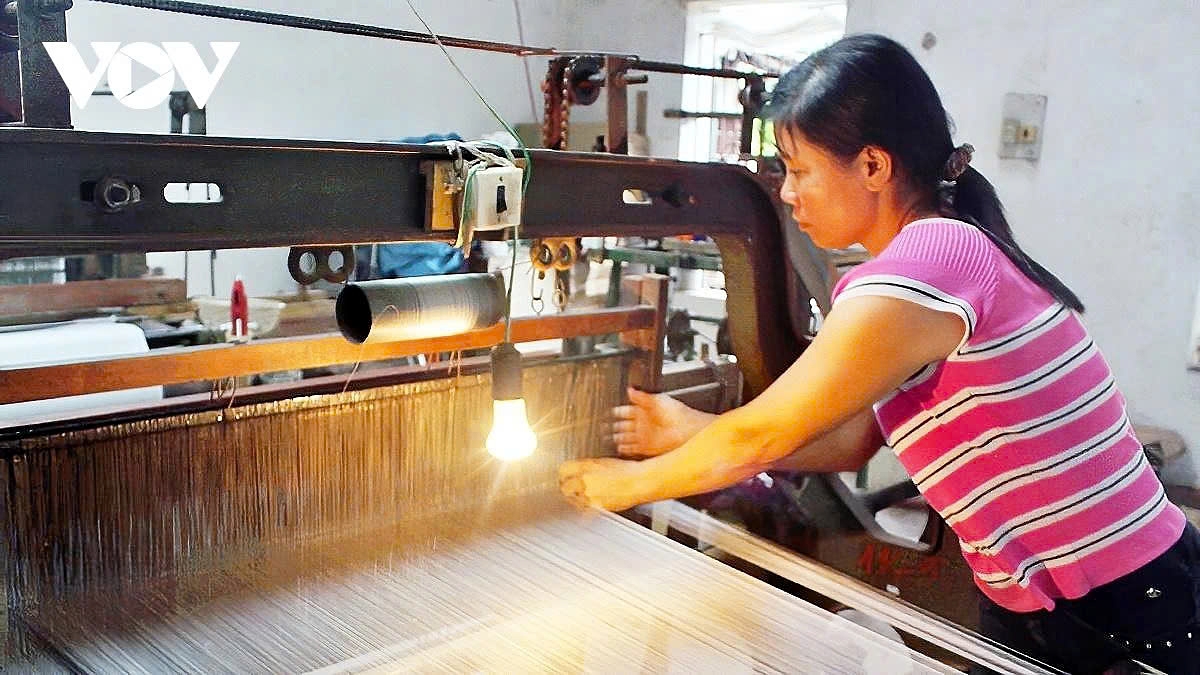
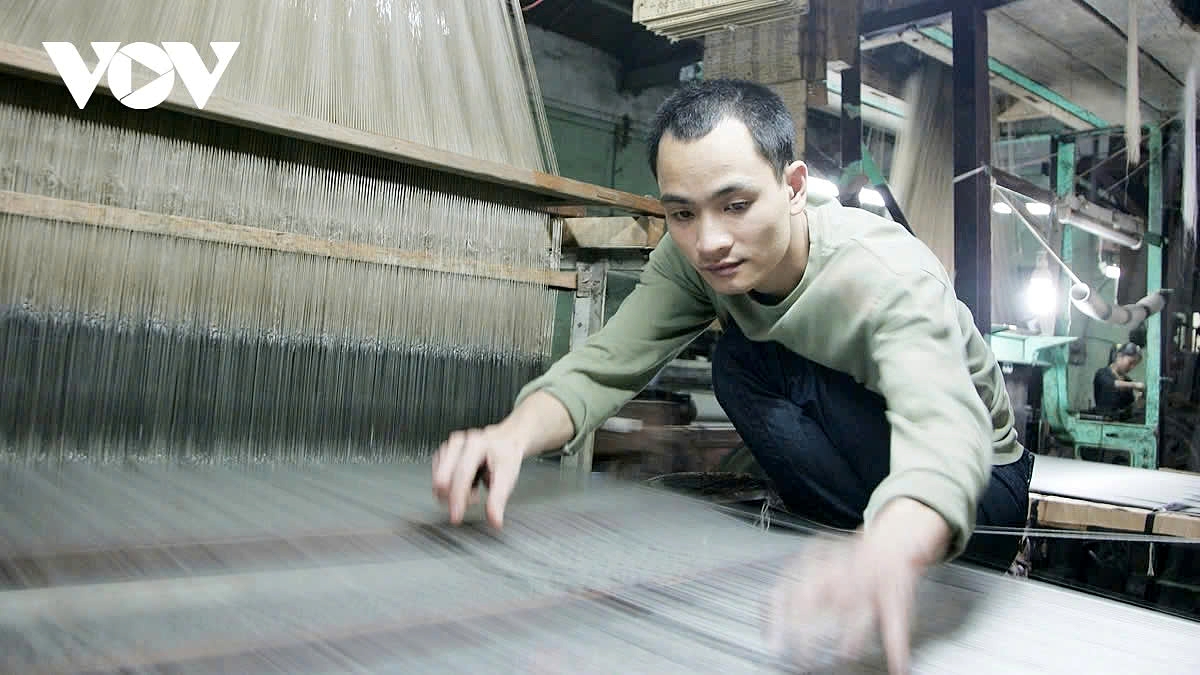
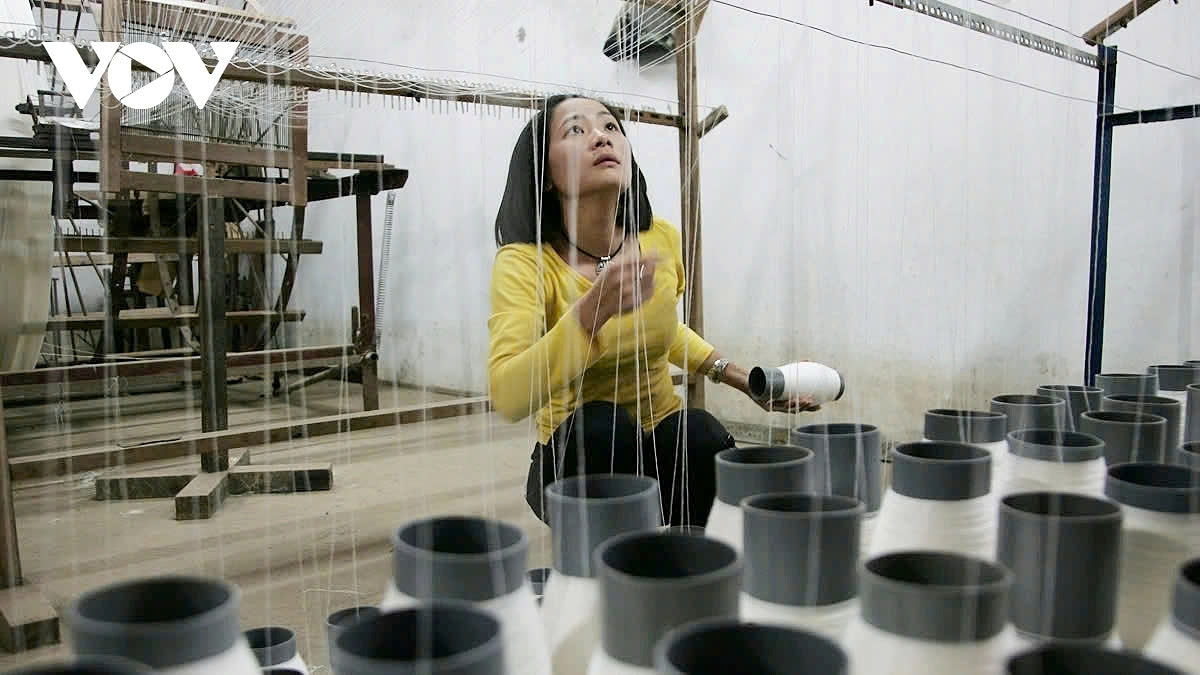
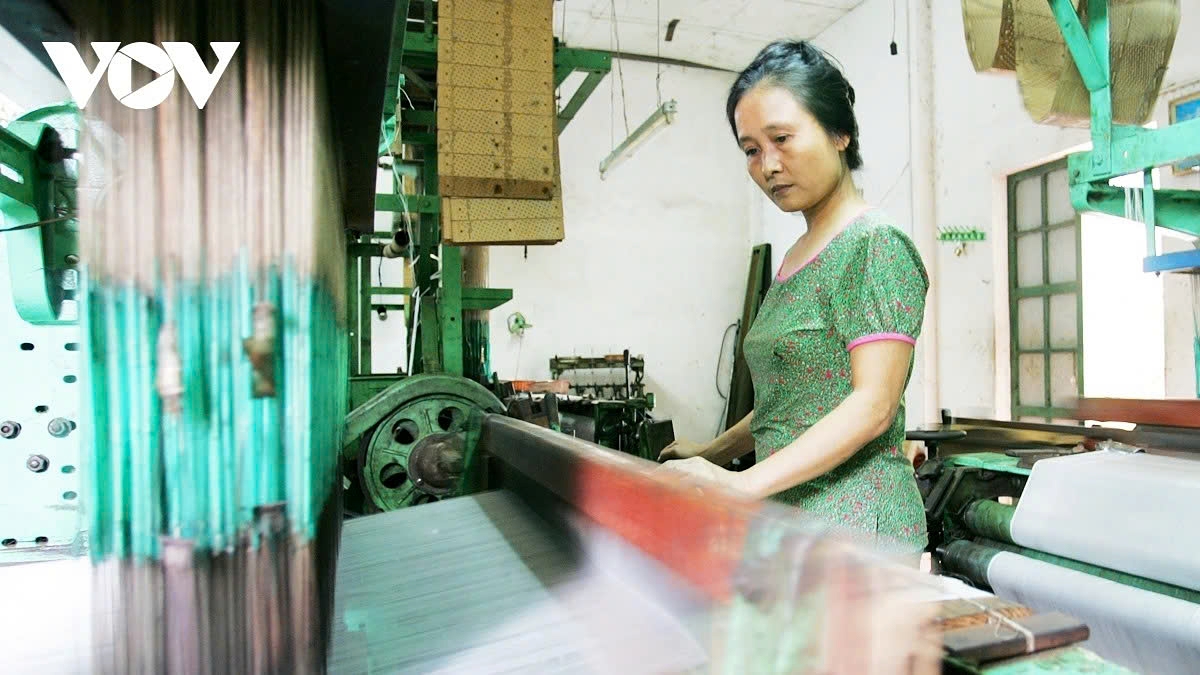
Currently, 150-250 households in Nha Xa engage in silk weaving, operating 200-400 looms. Some workshops manage up to five machines simultaneously, showcasing the village’s bustling productivity.
A local workshop owner notes the shift from traditional looms to industrial weaving machines, marking a significant evolution in Nha Xa’s silk production methods.
Traditional looms are preserved for display, honoring Nha Xa’s weaving legacy and offering tourists a glimpse into the village’s historic craft.
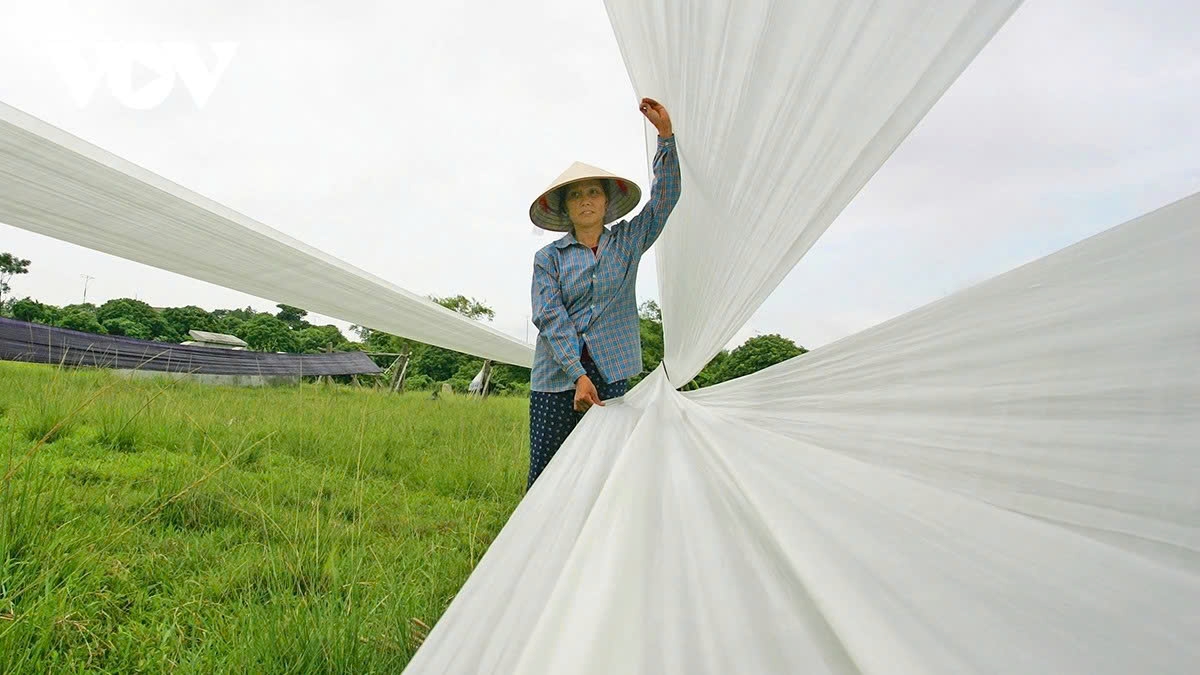
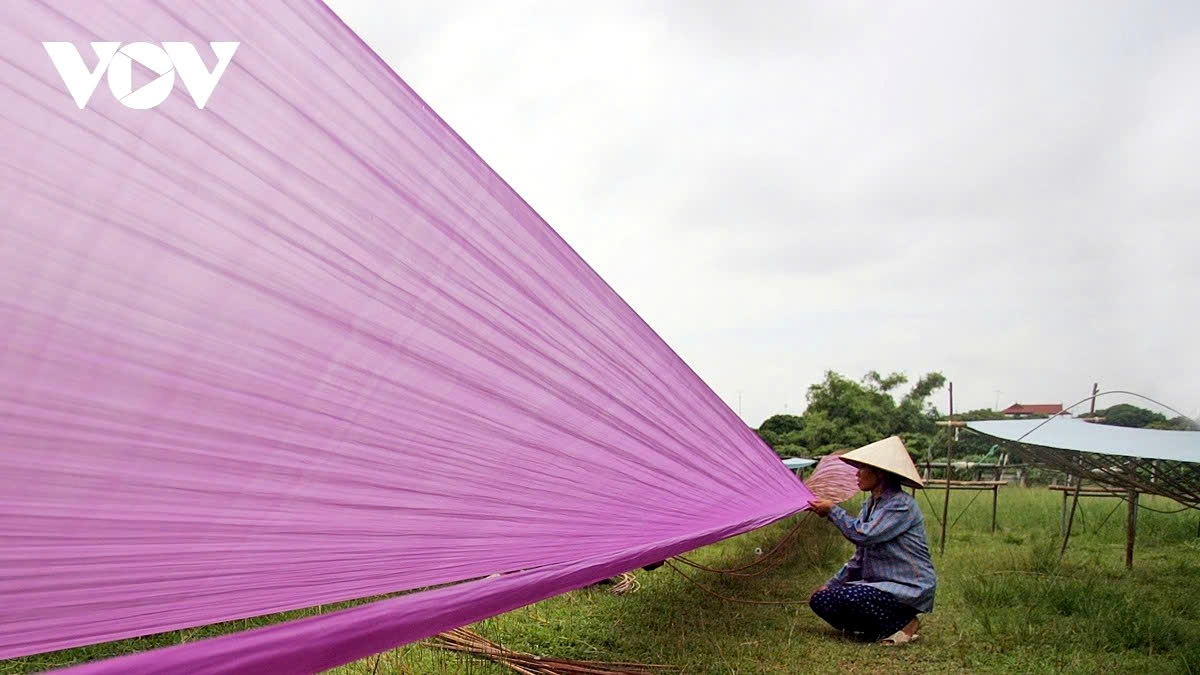
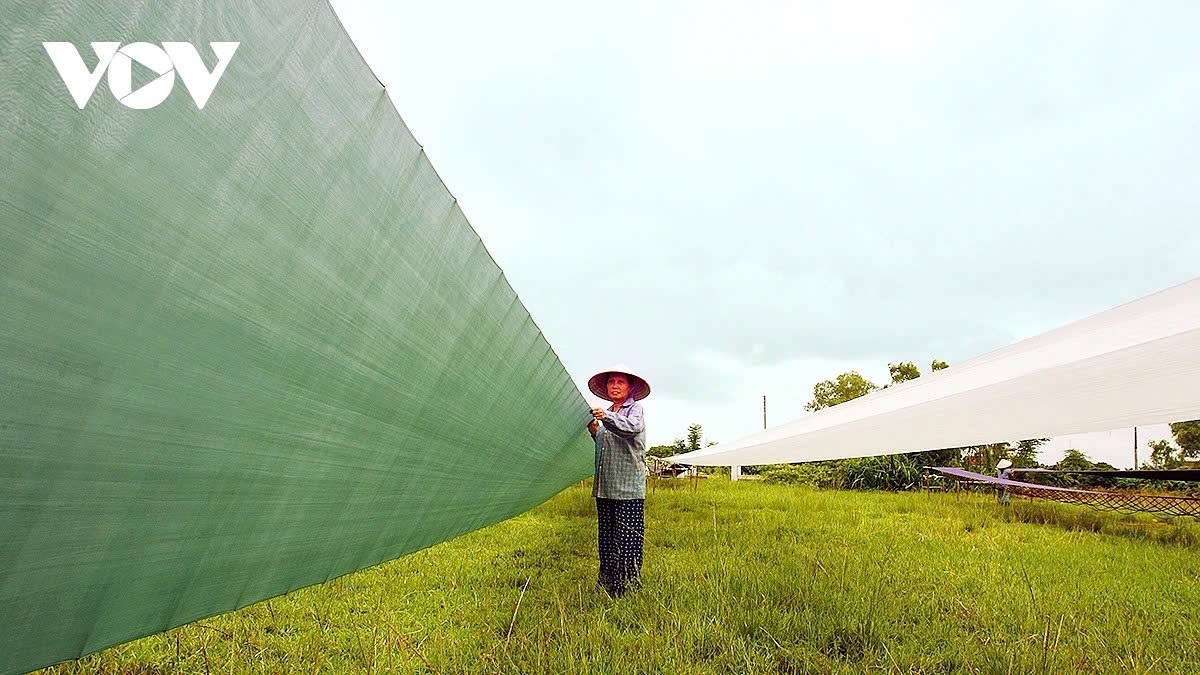
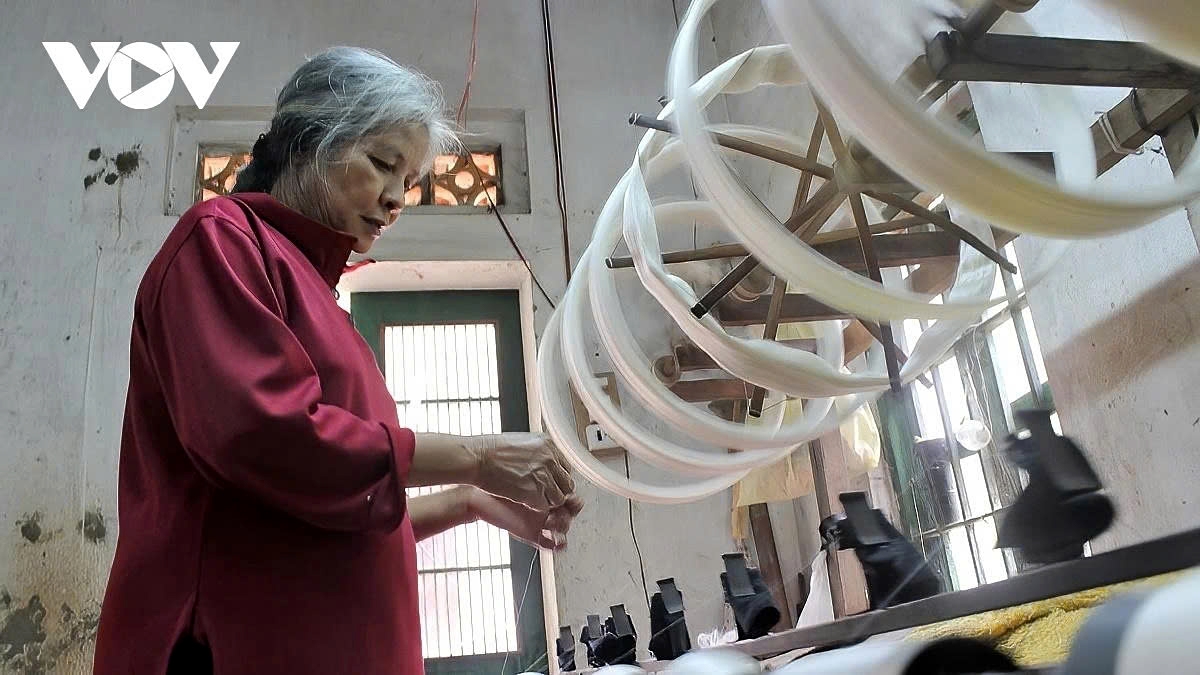
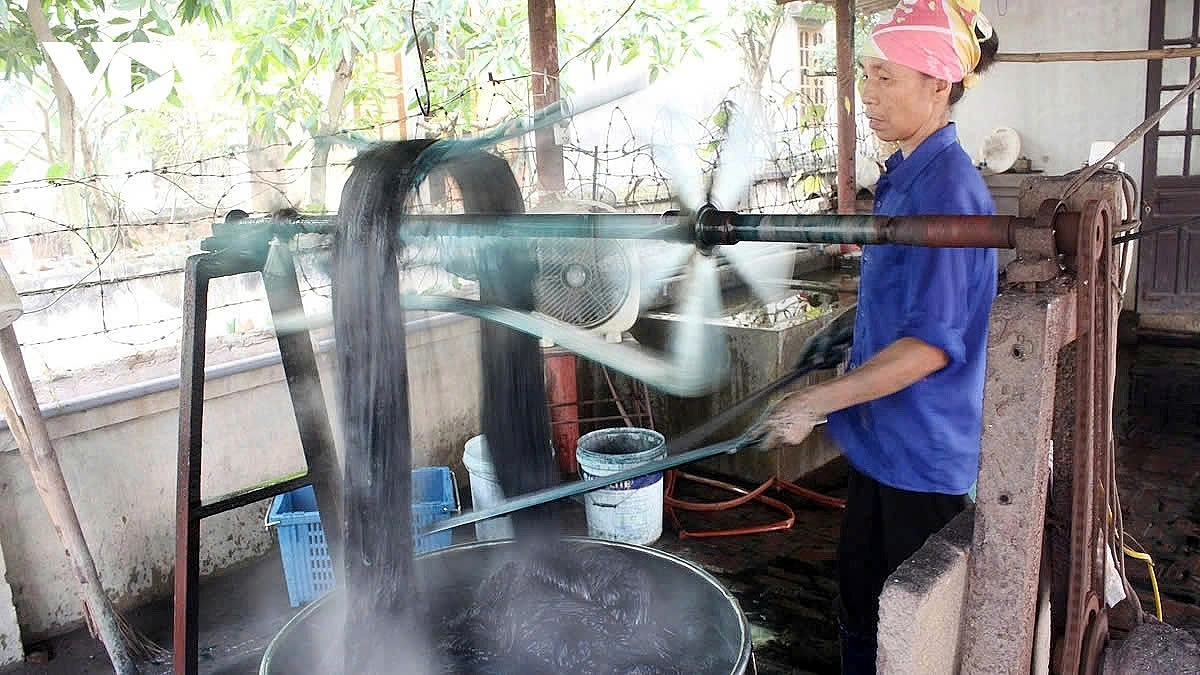
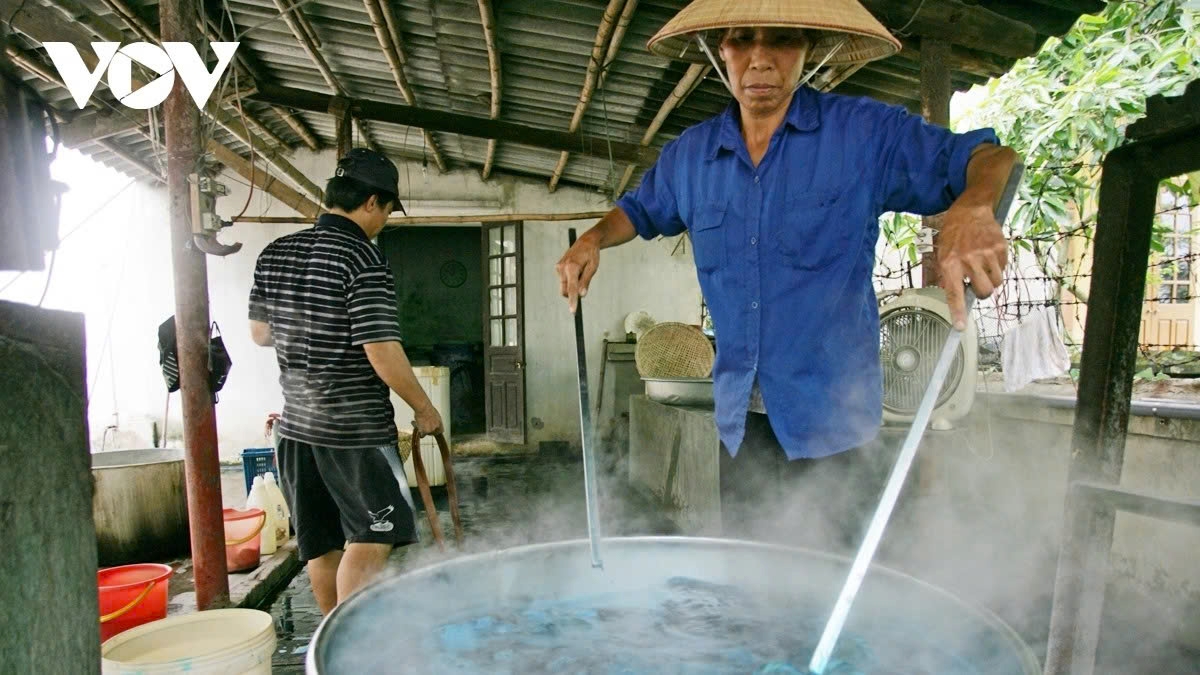
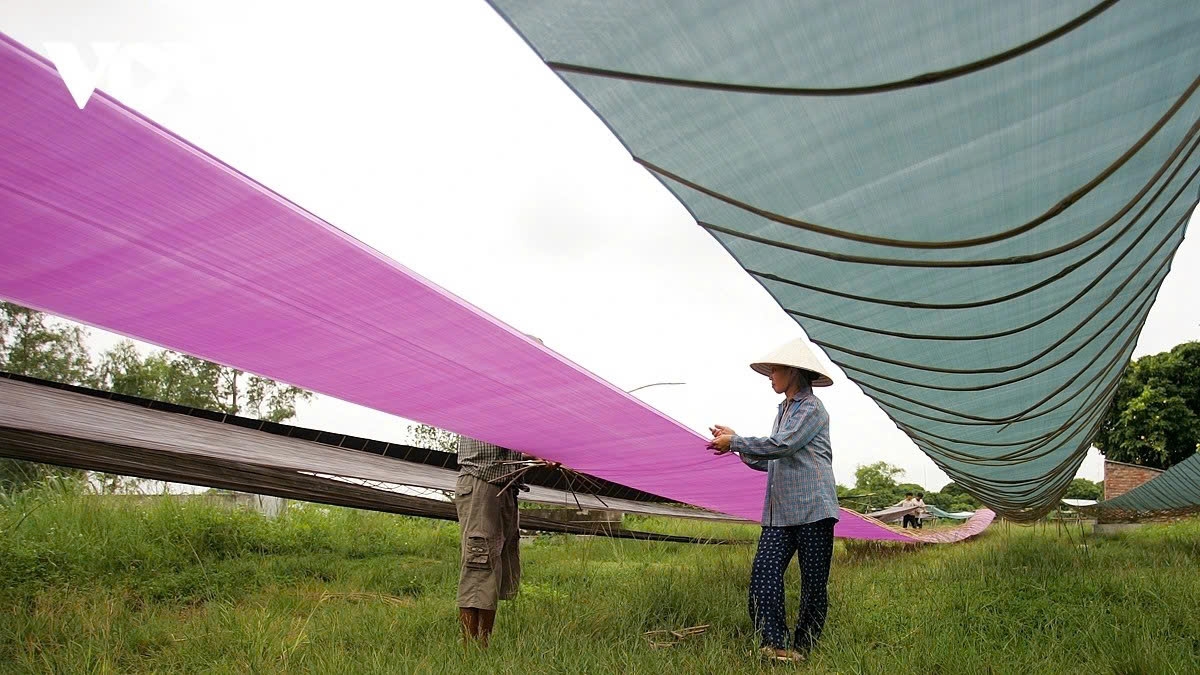
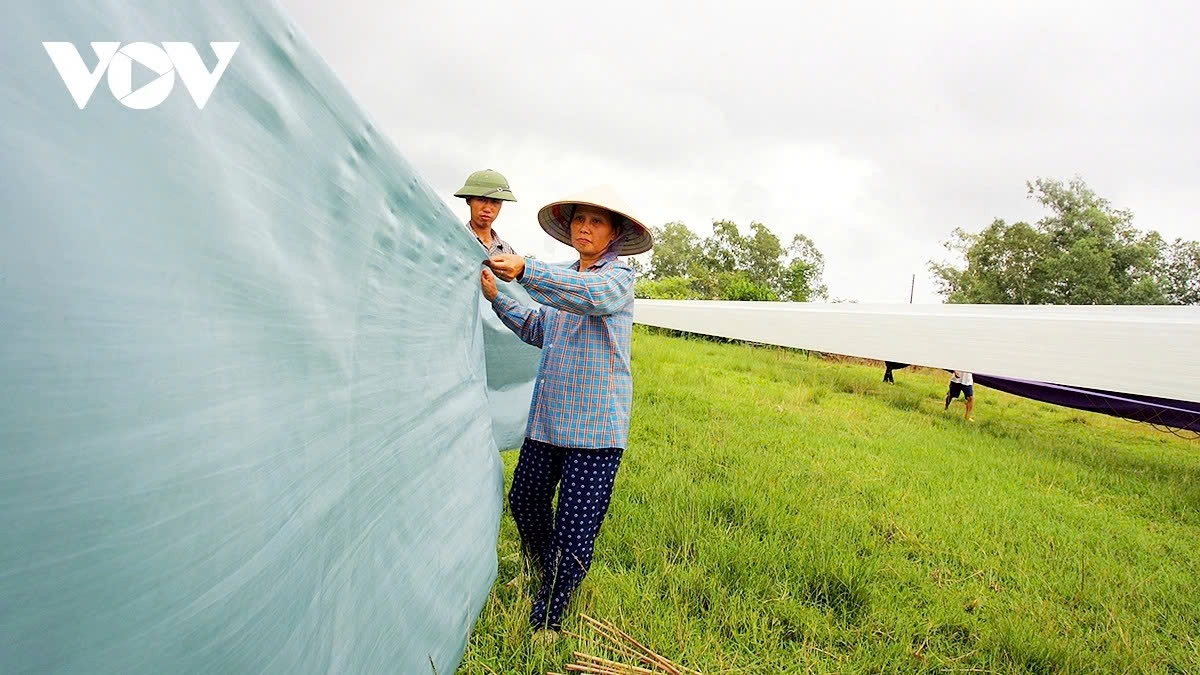
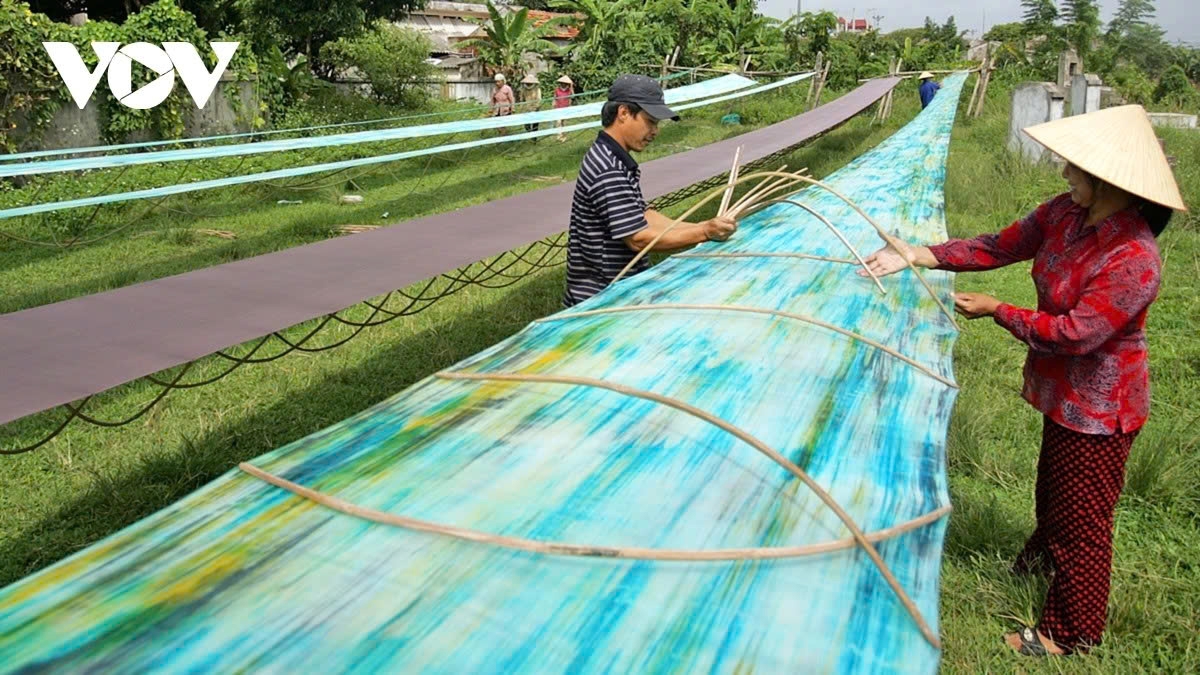
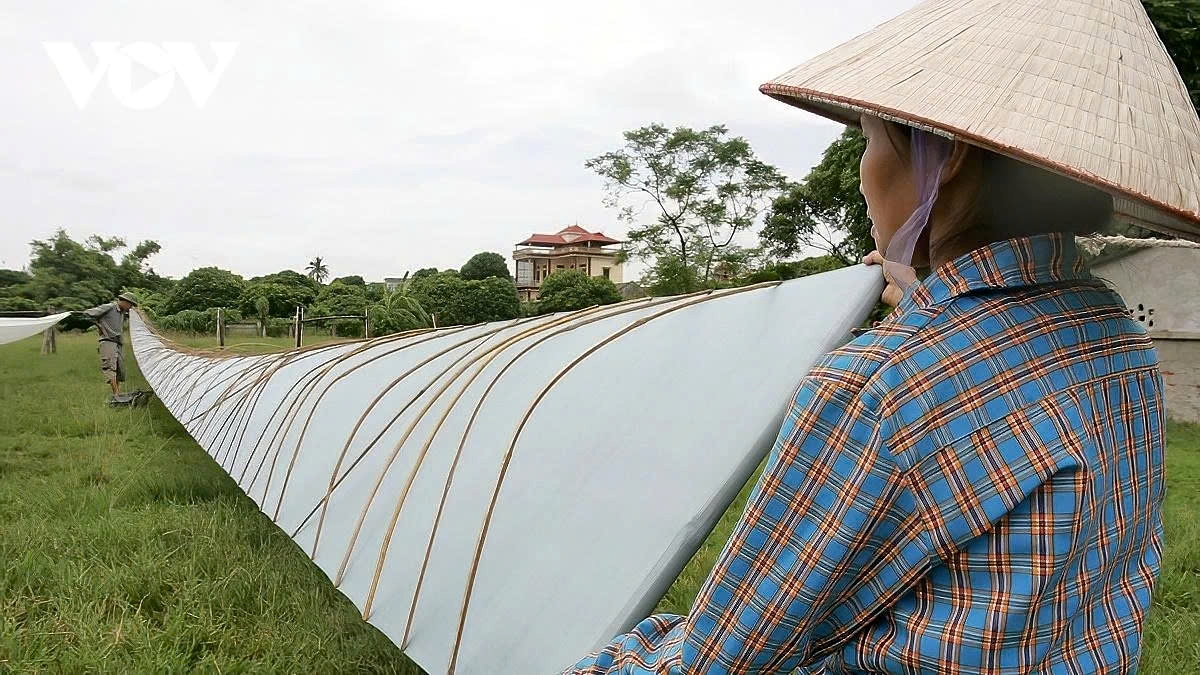
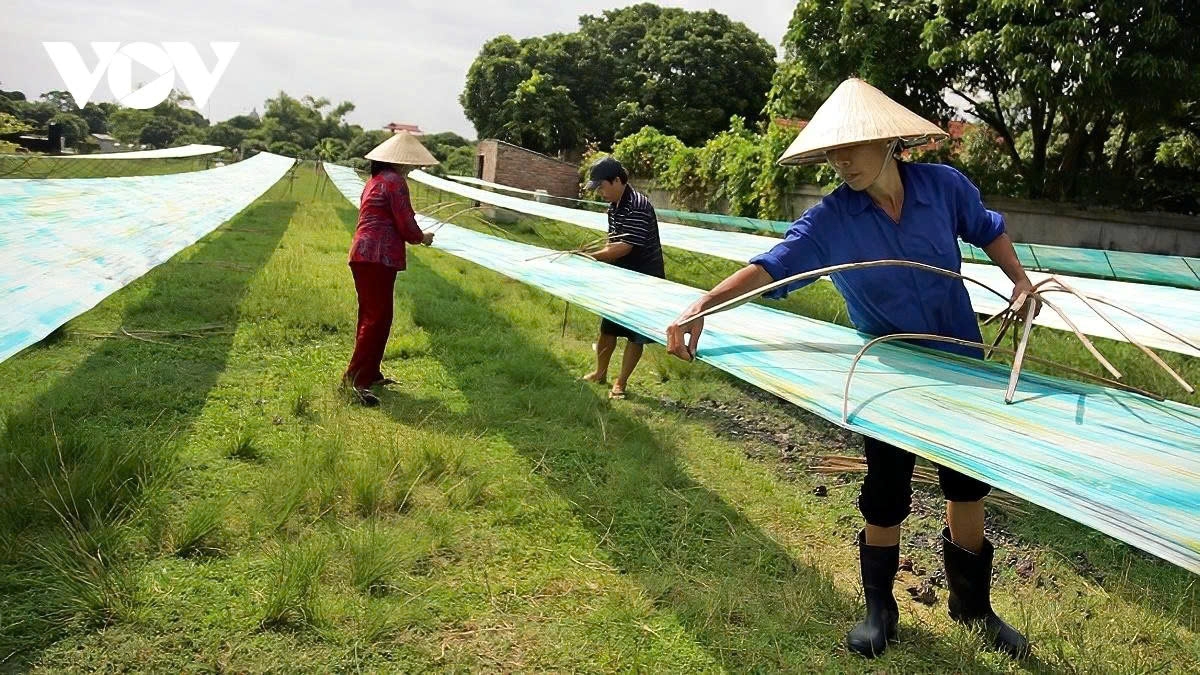
While weaving has modernized, traditional manual techniques for silk making, reeling, and dyeing remain integral to Nha Xa’s craftsmanship.
Once limited to plain, dyed silk, Nha Xa now produces high-quality, intricately designed fabrics, thanks to technological advancements and innovative weaving techniques.
Though no longer self-sufficient, Nha Xa imports silk threads from regions like Lam Dong, focusing its expertise on weaving, dyeing, and finishing processes.
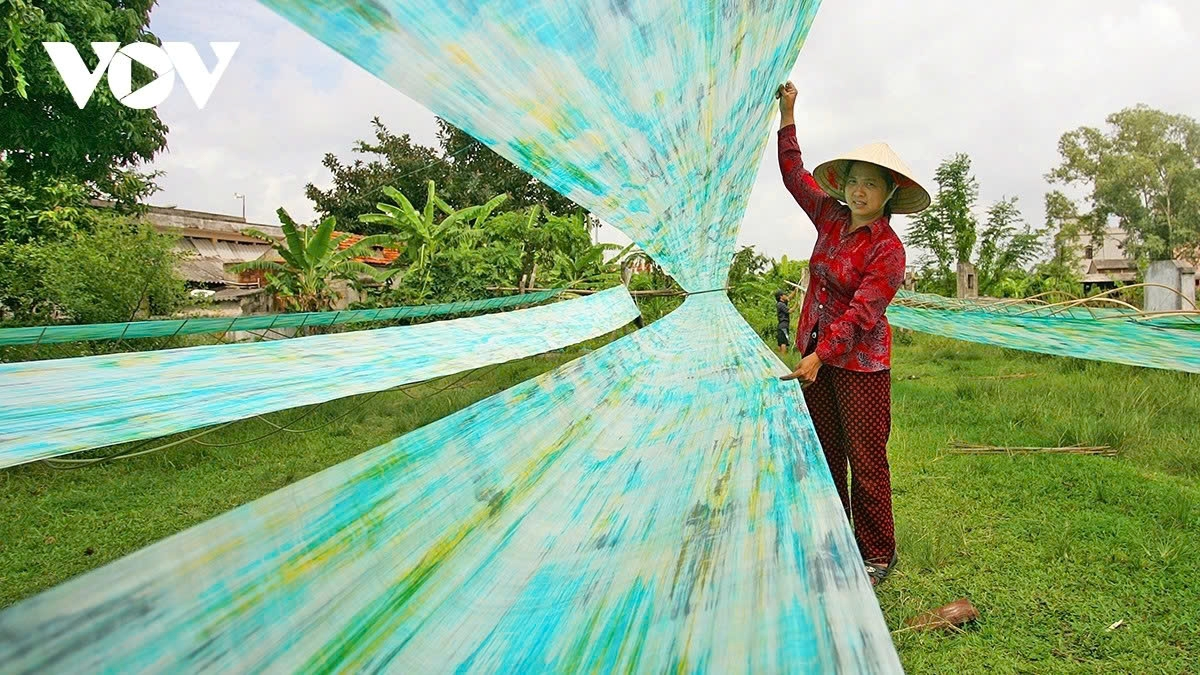
Nha Xa silk now features intricate patterns woven from templates, while traditional dyeing and drying methods ensure vibrant, long-lasting colors in every fabric.
Renowned for its natural dyes derived from betel leaves, lac bugs, and brown roots, Nha Xa silk boasts earthy tones and exceptional durability.
Silk weaving provides a stable income of VND 8-10 million per month per person, with most households employing multiple local workers, boosting the community’s economy.
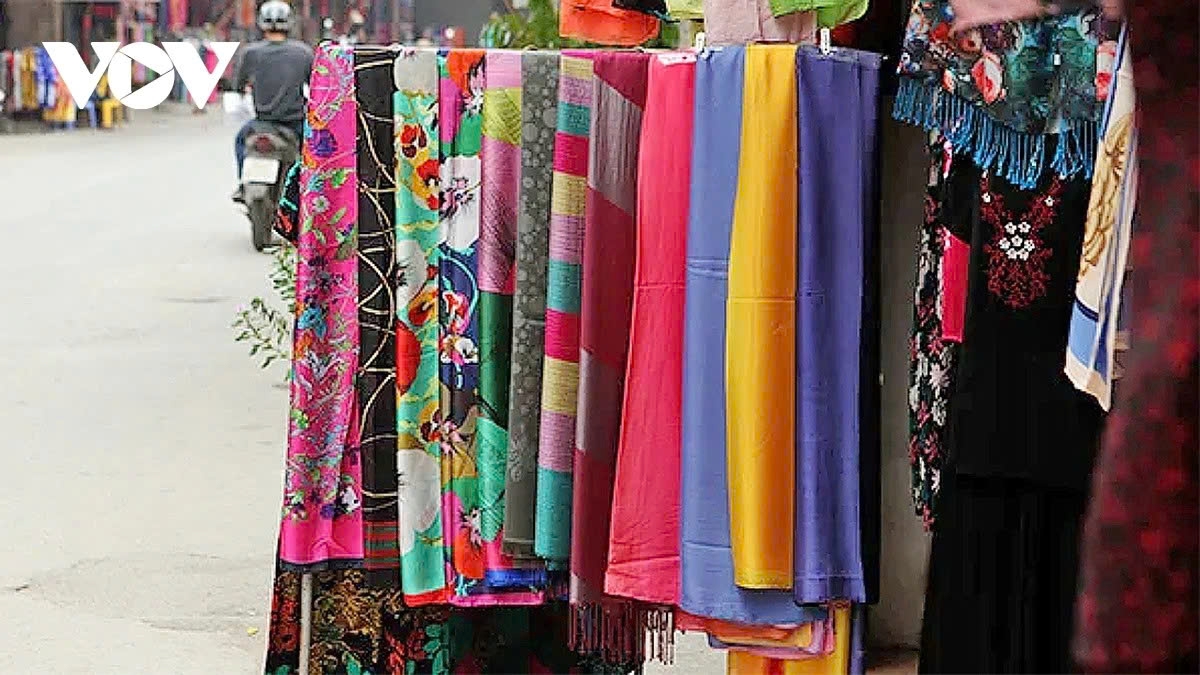
Nha Xa silk is sold across major Vietnamese cities like Hanoi, Hue, Da Nang, and Ho Chi Minh City, and exported to Laos, Thailand, Japan, and Europe, showcasing its global appeal.
Government initiatives, including a collective trademark in 2016, infrastructure development, and technical training, have modernized and sustained Nha Xa’s silk industry.
Visitors to Nha Xa can witness both traditional and modern weaving techniques, hearing the rhythmic hum of looms during peak production hours.
Workshop visits offer hands-on experiences in weaving and dyeing with natural ingredients, allowing guests to interact directly with skilled local artisans.
Nha Xa stands among Vietnam’s four renowned silk villages, alongside Van Phuc, Tan Chau, and Duy Xuyen, collectively shaping the nation’s silk heritage.