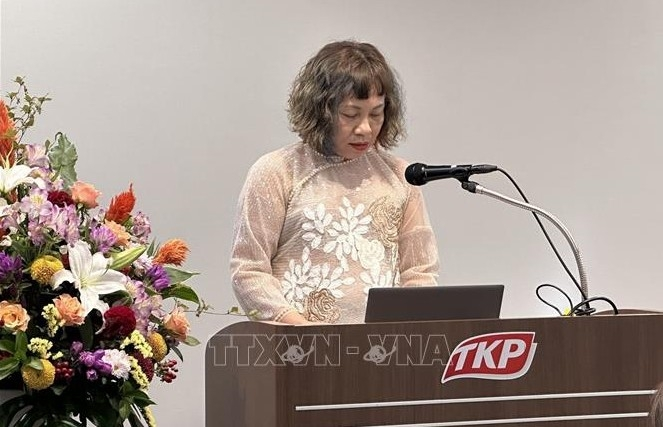
On October 17, the Vietnam Federation of UNESCO Associations hosted an international seminar in Tokyo, focusing on “Cultural Industries – A Strategic Driver for Sustainable Development.”
The event drew a distinguished audience, including Professor Yuji Suzuki, President of Japan’s National Federation of UNESCO Associations and Secretary-General of the Asia-Pacific Federation of UNESCO Clubs and Associations (AFUCA); Nguyen Le Hang, Deputy Secretary-General of the Vietnam Federation of UNESCO Associations and Deputy Editor-in-Chief of Ngay Nay magazine; alongside scholars, business leaders, and members of the Vietnamese community in Japan.
In her opening address, Nguyen Le Hang emphasized the seminar as a testament to the enduring trust and shared responsibility between the UNESCO Associations of Vietnam and Japan, long-standing partners in promoting UNESCO’s values.
She highlighted Vietnam’s national cultural and social strategies, which affirm that “culture is the spiritual foundation of society, both the goal and the driving force of development.” The Tokyo seminar, she noted, extends this vision within the framework of international cooperation, reflecting the sustained efforts of both UNESCO federations.
The chosen theme, “Cultural Industries – A Strategic Driver for Sustainable Development,” underscores the shared vision and synergy between the two organizations. Japan, renowned for its advanced creative industries, and Vietnam, with its rich cultural heritage undergoing digital transformation, offer valuable lessons in preserving identity while fostering creativity and innovation.
Hang expressed confidence that, rooted in solidarity and international cooperation, the partnership between the Vietnam Federation of UNESCO Associations and its Japanese counterpart will continue to flourish as a model within the global UNESCO movement.
Speaking to the press, Professor Yuji Suzuki emphasized the broad definition of culture as a way of life shaped by human behavior and thought. He stressed that culture is deeply rooted in human experience, varying across regions, peoples, and religions.
Suzuki underscored the paramount importance of preserving social and cultural heritage. Despite their distinct historical trajectories, both Japan and Vietnam prioritize valuing local communities and passing cultural traditions to future generations.
He noted Japan’s strong emphasis on cultural education from the primary level, based on the understanding that national culture is the sum of local cultures, not the erasure of regional distinctions in favor of a monolithic identity.
Suzuki advocated for viewing the unique cultures of Japan and Vietnam as shared human assets. Many of their cultural heritages are recognized as UNESCO World Heritage sites, and raising awareness of Vietnamese culture and Japan’s local traditions is a profoundly meaningful cultural initiative.
Director Nguyen Huy Quang, representing Van Show Art Joint Stock Company, highlighted large-scale art productions in Vietnam over the past decade as prime examples of how cultural industries drive economic growth. These productions, often running for five to eight years, have become major tourist attractions, particularly for international visitors, while promoting Vietnamese cultural identity. Quang noted that cultural-based art performances have fostered a sustainable ecosystem, generating economic benefits for local communities.
Quang expressed hope that the UNESCO federations of Vietnam and Japan will continue to support the development of cultural and performing arts industries, creating more opportunities for cultural exchange, trade promotion, and learning from Japan’s success in preserving identity and promoting cultural values.
The seminar featured two dynamic discussion sessions with speakers including directors, artists, and entrepreneurs from both countries, as well as representatives of the Vietnamese community in Japan.
The sessions were engaging and substantive, generating ideas to strengthen cooperation in cultural industries and share visions for future collaboration. Through insightful presentations, practical experiences, artistic performances, and tributes to artists and artisans, the event conveyed a clear message: culture is not only a spiritual heritage but also a strategic driver for sustainable development.
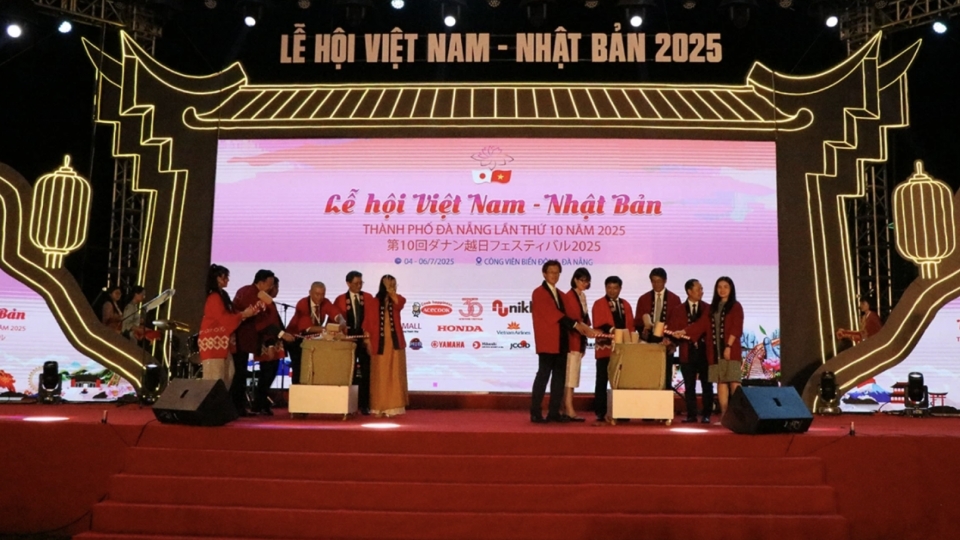
Vietnam-Japan Festival Celebrates Enduring Friendship and Cultural Exchange
VOV.VN – The 10th Vietnam-Japan Festival officially opened on July 4 at Bien Dong Park in Da Nang, aiming to strengthen friendship and cooperation between Vietnam and Japan, as well as between Da Nang and Japanese localities.
Cua Nam Ward: Hanoi’s Vibrant Epicenter of Artistic and Cultural Revival

THE HANOI TIMES — Cua Nam Ward is emerging as a vibrant nexus where tradition and innovation converge, fostering Hanoi’s artistic and creative spirit. Crafting a Creative Hub Autumn’s charm graces Ly Thuong Kiet Street, Cua Nam Ward. Photo: Luong Hanh/ Chuyen Cua Ha Noi Group Aspiring to be Hanoi’s premier “creative ward,” Cua Nam […]
Breathing Life into Hanoi: “Clean Air for a Blue Sky” Event Strengthens City’s Green Pledge
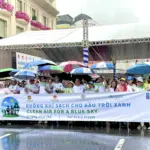
THE HANOI TIMES — Hanoi has pledged to collaborate with state agencies and international organizations to enhance air quality management, aiming to create a green, clean, beautiful, and livable capital where residents can enjoy fresh air, according to Nguyen Manh Quyen, Vice Chairman of the municipal People’s Committee. Speaking at the “Clean Air for a […]
5th OWHC Asia-Pacific Regional Conference Wraps Up in Hue
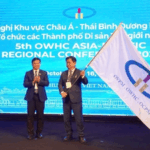
The Organisation of World Heritage Cities – Asia and the Pacific (OWHC-AP) successfully wrapped up its fifth Regional Conference on October 16 in Hue City, after three days of insightful and productive discussions.
UNESCO Embraces Vietnam’s Vision: Launching the International Decade of Culture for Sustainable Development

The UNESCO Executive Board has unanimously endorsed Vietnam’s groundbreaking initiative, urging the United Nations to declare an “International Decade of Culture for Sustainable Development,” slated for 2027–2036.
Hanoi Intensifies Efforts to Combat Sex Selection and Advance Gender Equality in 2026-2030
THE HANOI TIMES — In a bold move to foster gender equality and ensure sustainable development, Hanoi is intensifying its efforts to combat sex selection. The city’s initiatives aim to stabilize population dynamics and secure a balanced future workforce. Local authorities are ramping up legal education and awareness campaigns targeting individuals of reproductive age, particularly […]