THE HANOI TIMES — Van Phuc Silk Village, a historic gem in Hanoi, is poised to embark on a transformative journey as the city reimagines it as a sustainable tourism destination. This ambitious project focuses on preserving its rich heritage while fostering community-driven growth.
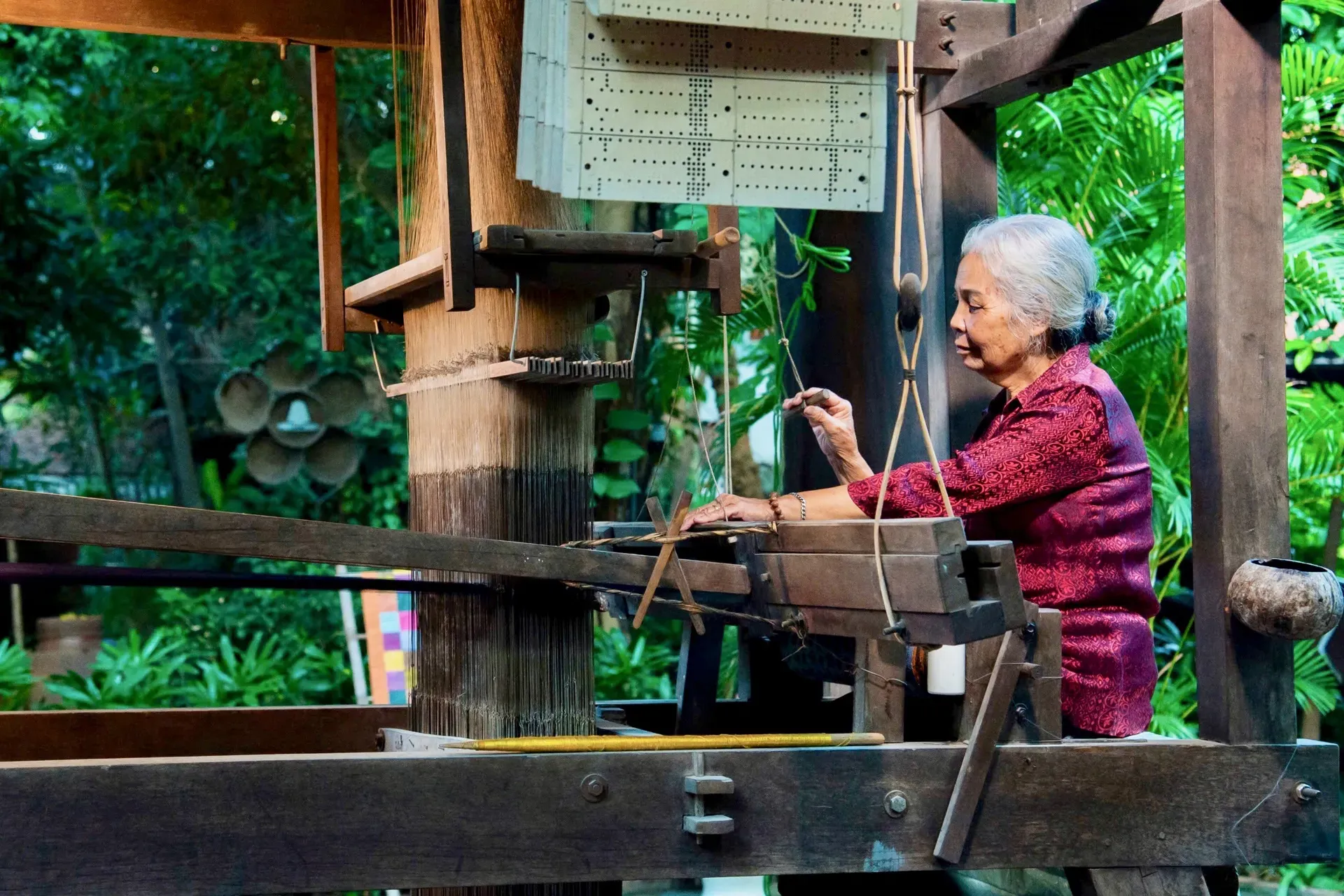
The ancient art of silk weaving in Van Phuc, Hanoi, has endured for over a millennium. Photo: Van Phuc/ The Hanoi Times
Scheduled to commence in 2026, this initiative follows recent administrative reforms and aims to optimize the village’s development. The plan involves reorganizing the space to seamlessly integrate social and technical infrastructure, enhance connectivity with neighboring areas, and promote long-term stability.
Hanoi’s approval of a detailed 1/500-scale plan underscores its commitment to preserving Van Phuc’s traditional silk weaving heritage while embracing tourism. Spanning approximately 385,153 square meters and home to around 4,654 residents, the village is strategically located near key landmarks.
At the heart of this plan is the preservation of Van Phuc’s traditional layout, safeguarding its cultural, historical, and architectural essence. Authorities aim to protect the village’s silk weaving legacy while introducing selective developments to enhance investment and living standards.
The plan meticulously outlines land-use functions and architectural guidelines for each parcel, proposing solutions for architectural and landscape organization. It also envisions a modern, synchronized infrastructure system aligned with national standards and the surrounding urban environment.
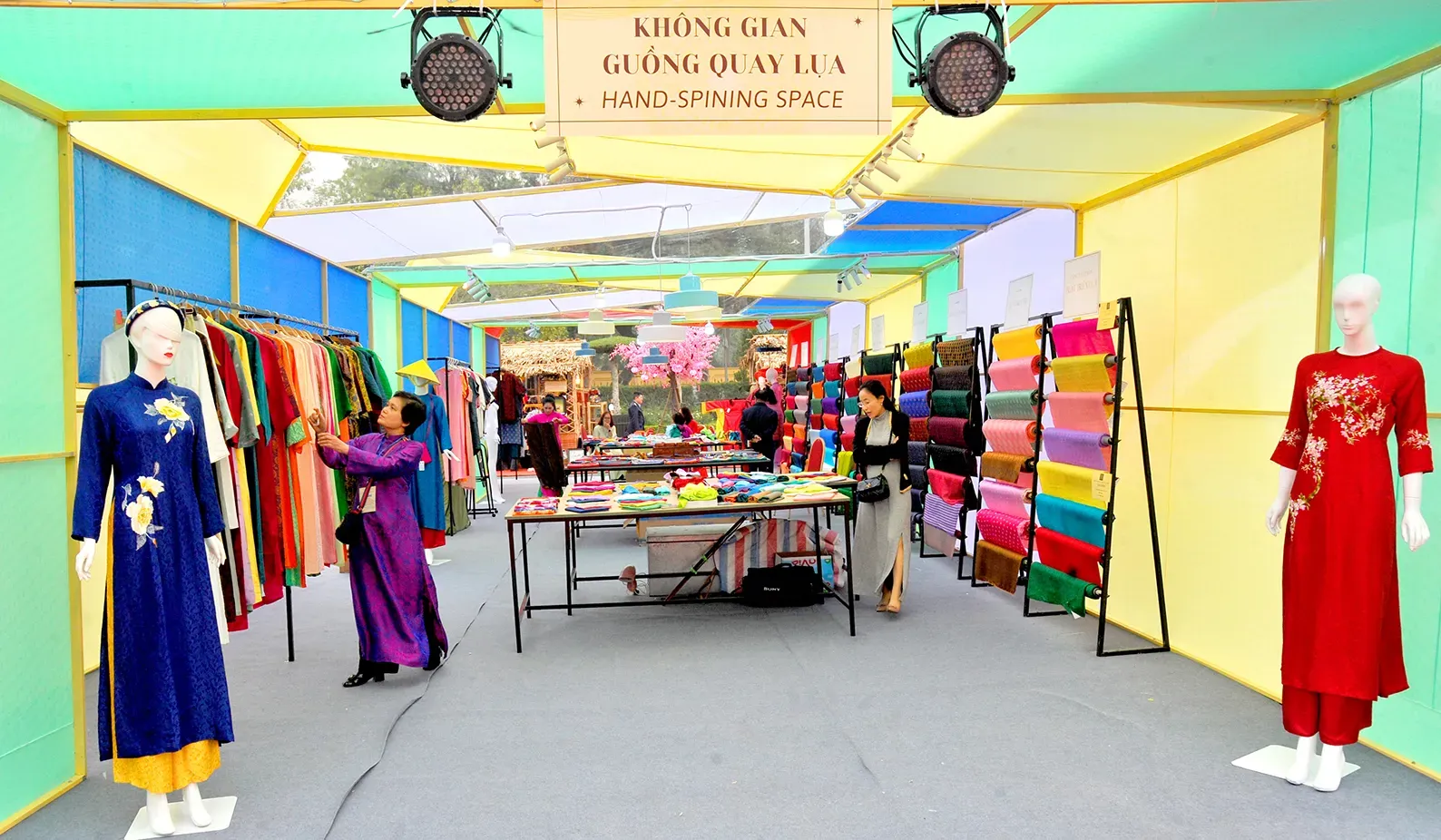
Van Phuc silk captivates customers both in Vietnam and abroad. Photo: Van Phuc/ The Hanoi Times
Preservation efforts extend beyond physical structures, with designated zones for conservation, renovation, and new development. The plan ensures the retention of traditional roads, alleys, waterways, historical relics, and silk production sites, while also safeguarding craft skills and communal production areas.
Tourism is seamlessly integrated as a complementary element, with dedicated spaces for craft demonstrations, weaving tours, product displays, and cultural experiences. Internal routes connect public areas, heritage sites, and production zones, creating a cohesive visitor experience.
Infrastructure upgrades are a key focus, encompassing improvements in transportation, water supply, drainage, and environmental sanitation. These enhancements support both craft production and tourism, alongside pollution control measures and the expansion of green and public spaces for a sustainable future.
The implementation process involves multiple city agencies, each with specific responsibilities. The Department of Planning and Architecture will review planning documents, the People’s Committee of Ha Dong Ward will manage public disclosure, and the Department of Construction and local authorities will oversee construction and compliance.
Collectively, these measures demonstrate Hanoi’s commitment to harmonizing heritage preservation with economic development. Van Phuc Silk Village is set to become a pioneering model, seamlessly integrating traditional craft communities into the city’s evolving urban and tourism landscape.
|
Nestled in Hanoi’s Ha Dong Ward, Van Phuc is celebrated as Vietnam’s oldest continuously operating silk weaving village, boasting a history spanning over a thousand years. Approximately 160 households continue this ancient craft, which has garnered national recognition for its cultural and economic value. Historically, Van Phuc silk was reserved for royalty during Vietnam’s feudal era. It gained international acclaim at the 1931 Marseille International Fair and later expanded into Eastern European markets in the late 1950s. Today, its products are cherished both domestically and internationally, with several designs recognized under Vietnam’s “One Commune, One Product” (OCOP) program. In 2023, the Ministry of Culture and Sports designated Van Phuc silk weaving as a national intangible cultural heritage, cementing its status as a cultural symbol of Hanoi’s traditional craftsmanship, beyond its commercial value. |
Awakening Huong Son: Pioneering Sustainable Heritage Tourism in Hanoi
THE HANOI TIMES — Beyond the bustling spring pilgrimage crowds, Huong Son is reinventing itself. By introducing hiking and trekking trails through pristine limestone landscapes and pairing them with seasonal floral displays, the area is emerging as a compelling model for sustainable rural tourism just outside Hanoi. This shift could help Huong Son extend its […]
Hanoi Illuminates Its Heritage Through Light and Technology

THE HANOI TIMES — “Hanoi Radiant – Light and Heritage,” a groundbreaking digital exhibition curated by the Hanoi Department of Culture and Sports, harnesses the power of light and cutting-edge technology to weave a captivating narrative of the capital’s millennia-long history. This innovative approach aims to modernize preservation efforts while enhancing audience engagement. Launching at […]
Con Dao Island Launches Its First Electric Bus Route

THE HANOI TIMES — On December 25, Ho Chi Minh City, Vietnam’s bustling southern hub, inaugurated its first public electric bus route within the Con Dao Special Economic Zone. This milestone underscores the city’s commitment to fostering an eco-conscious public transportation network for the renowned island destination. According to the Public Transport Management Center, under […]
Ta Gu Waterfall and Hon Dung Village: Khanh Hoa’s Sustainable Tourism Highlights
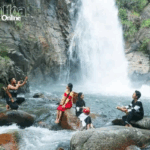
Nestled in the heart of southcentral Vietnam, Ta Gu Waterfall and Hon Dung Village have emerged as shining examples of sustainable tourism, according to the esteemed international travel magazine, *Travel and Tour World*. These hidden gems in Khanh Hoa province captivate visitors with their pristine natural landscapes and vibrant indigenous heritage, offering a unique blend of untouched beauty and cultural richness.
Unveiling Creativity: Over 1,300 Masterpieces Illuminate the Cultural Heritage Painting Contest

The 2025 edition of the “Vietnamese Cultural Heritage Through Art” painting contest has seen an overwhelming response, with 1,320 submissions from 990 talented artists. This marks a significant increase in participation, boasting 1.5 times more entries and double the number of contributors compared to its inaugural year, as announced by the organizers.