A key area of focus is the Party’s evolving perspective and guidance on fostering and advancing Vietnamese culture and its people.
Culture: The Nation’s Spiritual Foundation and Soft Power
The 40-year review report underscores the Party’s deepening theoretical grasp of culture’s role and its ambition to cultivate a vibrant national culture during the Doi Moi era. The 13th National Party Congress emphasized culture as the spiritual bedrock of society, while also serving as a goal, driving force, and internal strength for sustainable national development. It further acknowledged culture as a vital “resource” and “soft power” in Vietnam’s integration journey.
Dr. Pham Ngoc Huong from the Southern Institute of Social Sciences highlighted that, for the first time, the Party’s documents identified “awakening and promoting the value of Vietnamese culture and human strength” as a strategic breakthrough for socio-economic development in the 2021–2030 period.
Amid 40 years of Doi Moi and rapid global changes, reaffirming culture’s role as both the spiritual foundation and a source of internal strength is crucial for the country’s sustainable development, she added.
Huong suggested that Vietnam should prioritize developing cultural industries and digital culture in tandem with the creative economy, viewing these as key economic sectors capable of increasing culture’s contribution to the national GDP.
She also stressed the importance of investing in modern cultural institutions, preserving and promoting tangible and intangible heritage, and applying digital transformation in conservation and cultural promotion.
Policies should encourage enterprises, communities, and individuals to actively participate in cultural creation, production, and consumption, thereby fostering a healthy, unified, and globally integrated cultural market.
Nguyen Nhu Thuy, deputy principal of Hoang Dieu Secondary School in Ho Chi Minh City’s Tan Phu ward, observed that while previous decades prioritized economic growth, culture did not receive equal attention.
It’s encouraging to see culture now recognized as the spiritual foundation and a national resource, she remarked.
Thuy noted that Vietnam’s cultural life has significantly improved in both quality and depth in recent years. Nationwide initiatives, such as the patriotism education campaign and the “All people unite to build cultural life” campaign, have heightened public awareness and community engagement in cultivating cultural values.
Cultural values act as a shield, preventing and reversing moral and lifestyle degradation, Thuy emphasized.
Increased Resources Needed for Cultural Development
Over four decades of Doi Moi, Vietnam has achieved comprehensive progress across various fields, including culture. The network of cultural institutions has expanded nationwide; people’s cultural lives have improved; and cultural industries and services have made greater economic contributions. International cultural cooperation and exchanges have also intensified, enhancing Vietnam’s global image.
According to People’s Artist Dang Thi My Uyen, director of the HCM City Small Theatre, these achievements have laid a solid foundation for building an advanced Vietnamese culture imbued with national identity — one that preserves fine traditions while embracing the world’s cultural essence.
Cultural and artistic activities not only enrich spiritual life but also enhance aesthetics, creativity, and cultural appreciation among the people, she noted.
However, Uyen acknowledged that cultural development still faces challenges. The Party has openly admitted that cultural investment remains insufficient and inconsistent. The number of literary and artistic works with profound ideological and artistic value is limited, while some productions cater to low tastes or lack quality, she observed.
Uyen added that many art units struggle to survive, and a significant cultural enjoyment gap persists between urban and remote areas.
To sustainably develop culture and performing arts, stronger investment is essential. Alongside state support, artists and associations must take greater responsibility in producing meaningful works that truly serve the public, not just remain in storage after production, Uyen concluded.
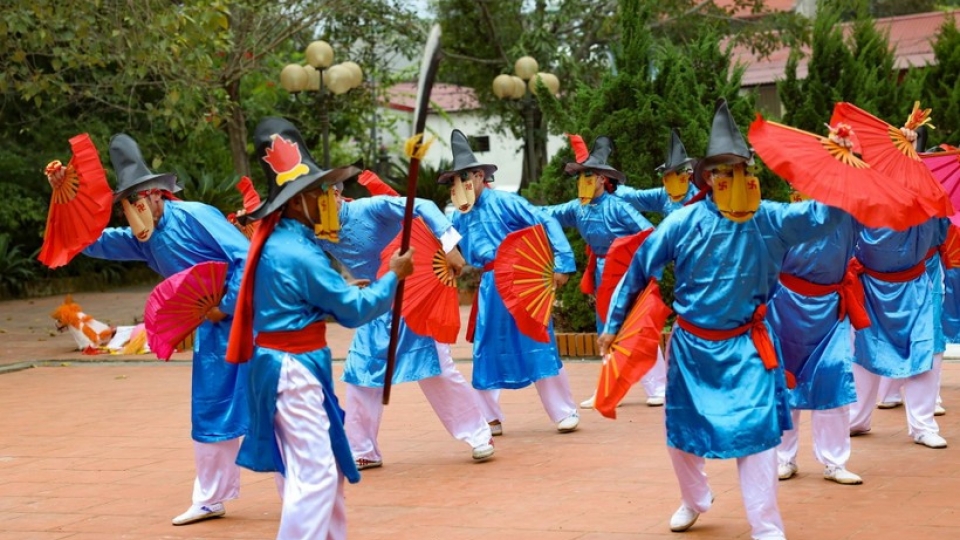
Charting a Path for Unified, Diverse Culture at Hanoi Seminar
A seminar in Hanoi, concluding on September 30, emphasized that cultural development in Vietnam must go beyond preserving or reviving traditions. It should embrace a broader strategy fostering shared values under the ethos of “unity in diversity”, mutual respect, and inclusive, peaceful, and sustainable growth.
Vietnamese Phở Festival: A Culinary Bridge Between Vietnam and Singapore
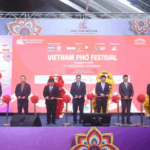
The Vietnam Phở Festival 2025 kicked off at Our Tampines Hub in Singapore on October 18, attracting a massive turnout eager to savor authentic Vietnamese cuisine and immerse themselves in captivating cultural displays.
Hanoi’s Cultural Renaissance: Crafting a “Civilized, Distinctive, and Creative” Urban Legacy for Tomorrow
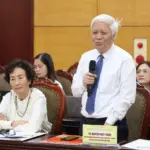
THE HANOI TIMES — Dr. Nguyen Viet Chuc, Vice Chairman of the Advisory Council on Culture and Society under the Vietnam Fatherland Front Central Committee, shares insights with The Hanoi Times regarding Hanoi’s cultural evolution, as outlined during the 18th Congress of the Hanoi Party Committee. How would you evaluate the essence and outcomes of […]
Hanoi Autumn Essence: Showcasing the Capital’s Premium Selection
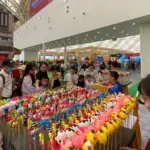
THE HANOI TIMES — Step into a captivating miniature Hanoi, where golden leaf-lined streets and stalls brimming with exquisite traditional handicrafts await. The “Essence of Hanoi Autumn” space, a highlight of the Autumn Fair 2025 at the Vietnam Exposition Center in Dong Anh Commune, offers a perfect fusion of culture, color, and creativity. This meticulously […]
Hanoi’s Timeless Allure Unveiled at the 2025 Autumn Fair

THE HANOI TIMES — Under the enchanting theme “Quintessence of Hanoi Autumn,” Hanoi unveils its inaugural Autumn Fair in 2025, a grand celebration of the city’s signature products, artisanal mastery, and cultural essence. This landmark event spotlights Hanoi’s industrial prowess and commercial achievements while paying homage to the timeless artistry of its traditional craft villages. […]
Unlocking Vietnam’s Global Edge: The Power of Cultural Diversity in International Integration
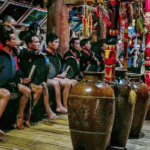
Vietnam, a nation brimming with cultural richness, embraces its diverse tapestry of regions, ethnicities, beliefs, and customs not merely as a cherished heritage but as a powerful strategic asset. This diversity fuels sustainable development and elevates Vietnam’s global standing in an era of international integration.