
THE HANOI TIMES — On January 28, the Ministry of Health (MoH) issued an urgent dispatch, urging heightened surveillance and preventive measures against the Nipah virus at all national border gates. This move mirrors the stringent health screening protocols implemented during the Covid-19 pandemic.
The directive has been disseminated to health departments across all 34 provinces and cities, prompted by media reports of five suspected Nipah cases in India, with two confirmed as of January 27.
Local authorities are mandated to bolster disease prevention and control measures at border gates and within communities. They must stay abreast of global disease updates and closely monitor inbound travelers to facilitate early detection and swift management of suspected cases.
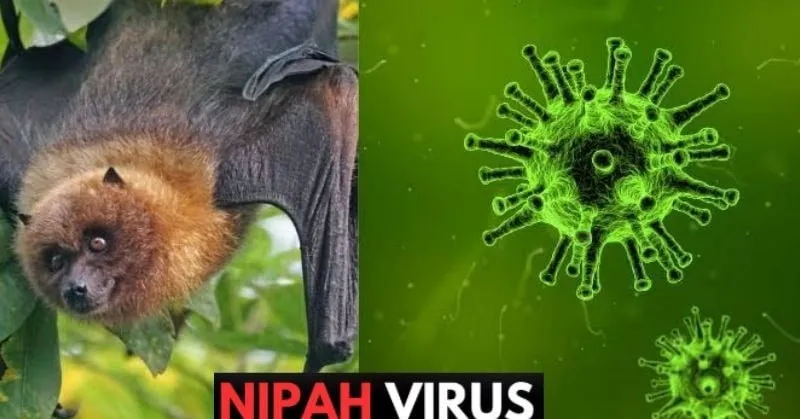
Nipah virus infection is classified as a Group A infectious disease, with a fatality rate ranging from 40% to 75%. Photo: MoH
Healthcare workers are instructed to adhere strictly to personal protective measures and infection control protocols. Institutes of hygiene, epidemiology, and Pasteur institutes are tasked with supporting local surveillance efforts and ensuring the readiness of rapid response teams.
Healthcare facilities are directed to intensify inspections, monitor infection prevention measures, and enforce rigorous isolation protocols for all suspected or confirmed Nipah virus cases under treatment.
According to the MoH’s Department of Disease Prevention, Nipah is categorized as a Group A infectious disease, the most severe classification under Vietnam’s health regulations, with a fatality rate of 40% to 75%.
The virus primarily spreads from animals, especially bats, to humans, and can also be transmitted through contaminated food or close contact with infected individuals.
Symptoms typically manifest after an incubation period of 4 to 14 days and may include fever, headache, muscle pain, and neurological complications.
To minimize infection risk, the MoH advises adhering to food safety practices such as consuming fully cooked food, drinking boiled water, and washing and peeling fruits before consumption.
The ministry warns against eating fruits bitten or gnawed by bats or birds.
Additionally, it cautions against close contact with high-risk animals and recommends frequent handwashing with soap or disinfectant after handling or slaughtering animals.
Individuals are advised to avoid travel to Nipah-affected areas. Those returning from outbreak zones should seek immediate medical attention if they develop symptoms within 14 days, including headache, muscle pain, vomiting, sore throat, dizziness, drowsiness, confusion, or seizures.
Suspected patients should minimize contact with others and clearly communicate their travel and exposure history to healthcare providers.
Caregivers are urged to use personal protective equipment and avoid direct contact with potentially contaminated items.
The World Health Organization (WHO) notes that the Nipah virus was first identified in Malaysia in 1999 and later detected in humans in Bangladesh and India.
Health authorities indicate that the disease has occurred sporadically in small clusters and has not caused large-scale outbreaks. Currently, there is no vaccine or specific antiviral treatment available for Nipah virus infection in humans or animals.
As of January 28, Vietnam has reported no Nipah cases. The health ministry will continue to monitor the situation closely and collaborate with the WHO and other partners to ensure timely and effective preventive measures.