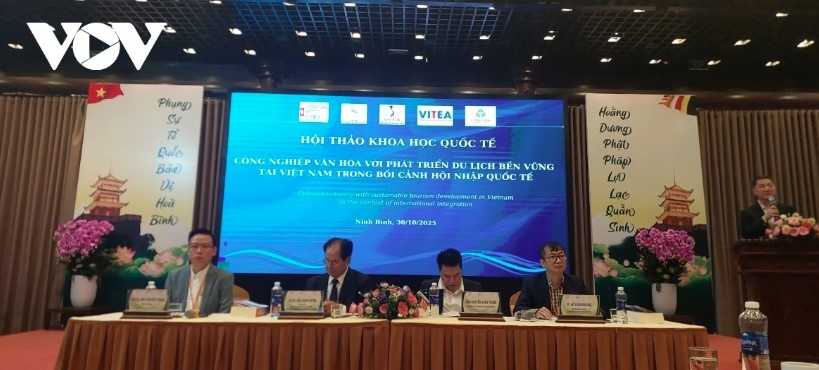
The symposium, “Cultural Industries and Sustainable Tourism Development in Vietnam: Navigating International Integration,” highlighted the pivotal role of cultural industries in elevating Vietnam’s global image and fostering national competitiveness.
Amidst deepening international integration, cultural industries have emerged as a rapidly expanding sector within the creative economy. Tourism, particularly cultural tourism, is increasingly recognized as a vital economic driver, contributing to local development, job creation, and the preservation of cultural heritage.
Nguyen Hong Hai, Vice President of the Vietnam Tourism Association, emphasized, “Strengthening the symbiotic relationship between cultural industries and sustainable tourism requires a focus on developing localized cultural ecosystems integrated with tourism value chains. This involves leveraging cultural heritage, fostering creativity, and embracing digital innovation. We must promote authentic cultural experiences, effectively utilize both tangible and intangible assets, and seamlessly integrate arts, cinema, cuisine, fashion, and music. Simultaneously, digital transformation in marketing should be prioritized to create engaging platforms connecting tourists, artists, and businesses.”
Cultural industries drive the creation of distinctive tourism offerings that reflect local and national identity, enhancing destination appeal. In return, tourism acts as a powerful platform for promoting cultural industries, expanding market reach, and increasing revenue. The global demand for culturally authentic content presents Vietnam with a unique opportunity to showcase its rich traditional heritage.
Prof. Dr. Dao Manh Hung, Chairman of the Vietnam Tourism Education Association (VITEA), remarked, “Integrating tourism with immersive cultural experiences—such as festivals, artisanal crafts, and local gastronomy—creates substantial added value for both sectors. Sustainable practices must be at the forefront, ensuring cultural activities protect the environment, optimize resource use, and minimize ecological footprints.”
Vietnam’s cultural infrastructure requires modernization, including the development of multifunctional cultural centers, theaters, cinemas, and creative hubs meeting international standards. Robust digital infrastructure, including specialized online platforms, is essential for effective promotion and connecting creators with audiences. These advancements will propel Vietnam’s cultural industries into a new era of global engagement.
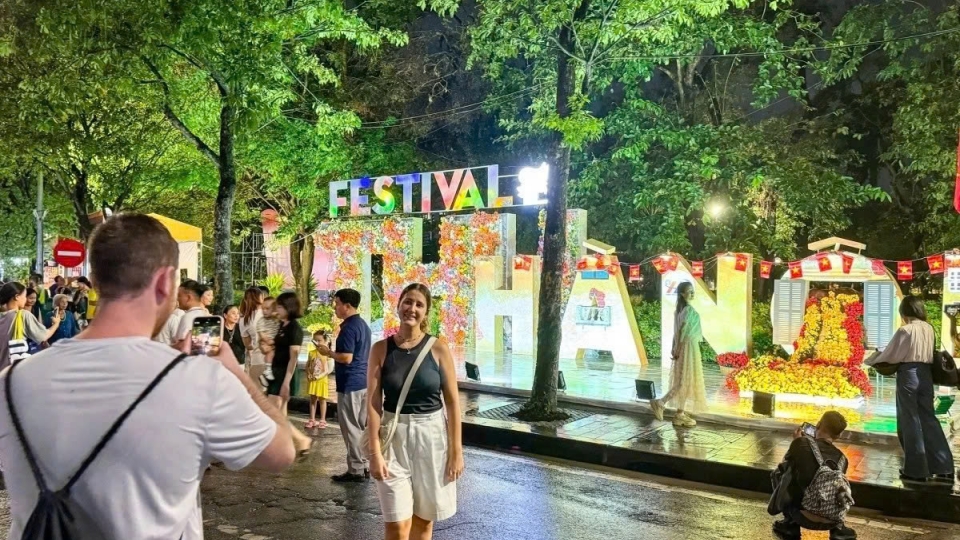
Hanoi Launches Captivating New Tourism Experiences
On October 18, Hanoi introduced three innovative tourism products during a ceremony organized by the municipal Department of Tourism and the Phuc Tho communal People’s Committee. Each offering is meticulously designed to immerse visitors in the city’s rich cultural and historical tapestry.
Vietnamese Ao Dai Dazzles at Budapest’s International Concert
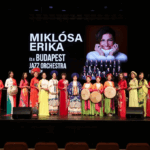
The elegant Ao Dai, Vietnam’s iconic traditional long dress, took center stage at an international concert in Budapest. This captivating garment graced the opening performance of renowned opera singer Miklósa Erika and the Budapest Jazz Orchestra, celebrating Vietnamese Women’s Day on October 20th.
Phu Quoc Ranked Among Asia’s Top Three Islands by Travel + Leisure
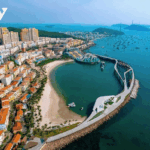
Travel + Leisure, the renowned US travel magazine, has unveiled the winners of its prestigious Luxury Awards Asia-Pacific 2025. Among the standout honorees, Vietnam’s Phu Quoc Island has secured a coveted spot in the top three of the Best Islands category, as voted by discerning readers.
Secret Garden’s 30th Anniversary World Tour Brings Acclaimed Artists to Hanoi
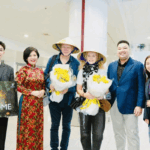
Following a 15-hour journey from Oslo, Norway, Secret Garden’s core members, Fionnuala Sherry and Rolf Løvland, touched down at Hanoi’s Noi Bai International Airport on October 16. They were poised to deliver a special performance at the National Convention Centre just two days later.
Preserving Indochina War Memories: Workshop Boosts Photo Conservation Skills

The Hanoi Museum, in partnership with the American Museum of Natural History, hosted a workshop on October 15 focused on advancing photo preservation techniques in Hanoi. This initiative is part of a broader project dedicated to safeguarding the historical memories associated with the Indochina War, specifically within the Lai Xa photography village in Hoai Duc commune.
Vietnam and Japan Strengthen Collaboration for Cultural Industry Growth
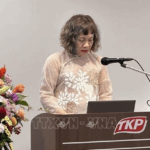
Vietnam and Japan are forging stronger ties in the development of cultural industries, recognizing culture as both a cornerstone of spiritual enrichment and a powerful catalyst for sustainable growth.