THE HANOI TIMES — Vietnam is accelerating its ambitious initiative to establish English as its second official language by 2035, a strategic move to empower the next generation with the skills essential for thriving in an ever-evolving global economy.
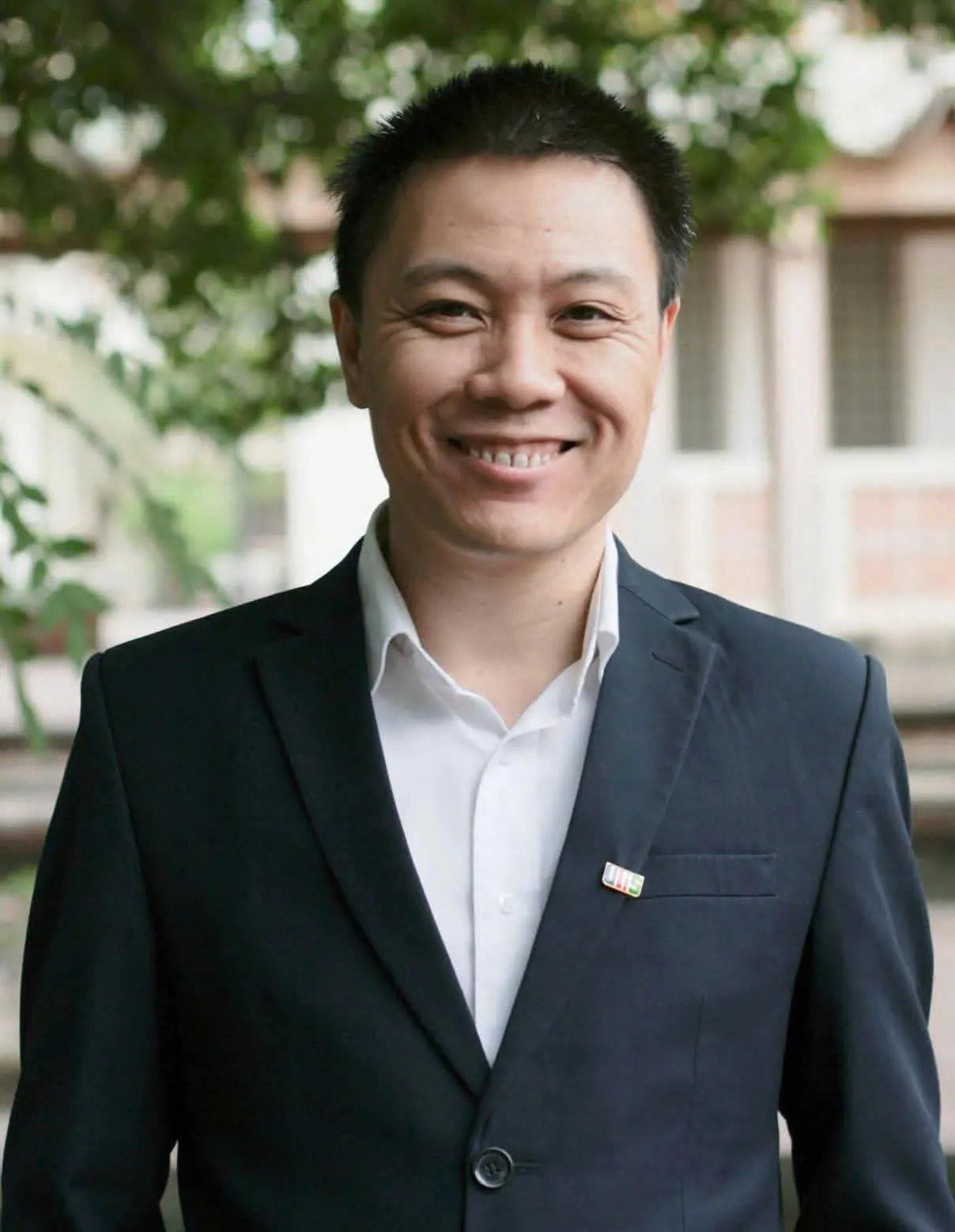
Nguyen Ninh Bac, Deputy Head of the Education Quality Management Department at the University of Languages and International Studies (ULIS), Vietnam National University – Hanoi. Photo: Anh Kiet/The Hanoi Times
A groundbreaking government decree on foreign language education, issued in September 2025, outlines a nationwide strategy to elevate proficiency levels, standardize training, and integrate bilingual education from the earliest grades.
“This decree ensures uniform teaching standards and empowers learners to access global knowledge through cutting-edge materials and methodologies,” stated Nguyen Ninh Bac, Deputy Head of the Education Quality Management Department at ULIS, Vietnam National University – Hanoi.
Bac emphasized to The Hanoi Times that this policy underscores Vietnam’s commitment to cultivating a workforce capable of operating seamlessly in international environments, as the nation deepens its integration into global supply chains and educational networks.
Under this new framework, core subjects such as mathematics, science, technology, and informatics will be taught in foreign languages at the general education level. This approach aims to directly connect Vietnamese students with global knowledge resources.

Nguyen Thi Thu Thuy, an experienced history educator at Hanoi’s Lomonosov Education System. Photo: Anh Kiet/The Hanoi Times
Nguyen Thi Thu Thuy, a history teacher at Hanoi’s Lomonosov Education System, highlighted the critical importance of this shift in the digital age. “It enables students to access the latest innovations and academic advancements,” she noted.
Thuy shared with The Hanoi Times her approach: “In my classroom, I seamlessly integrate English, using it for universal terms and encouraging students to articulate ideas in both languages. This fosters genuine understanding rather than rote translation.”
However, she acknowledged that teacher training remains a significant challenge, as educators must master both subject expertise and international-standard language skills.
A report by the Hanoi Department of Education and Training reveals that by 2030, the city will require approximately 5,000 additional preschool English teachers, 3,000 for primary schools, and 50,000 trained to teach other subjects in English.
Tran The Cuong, Director of the Hanoi Department of Education and Training, stressed that not only English teachers but also subject specialists and school administrators must enhance their language proficiency to support bilingual environments, particularly in rural areas.
From Pilot Programs to Nationwide Implementation
Several Hanoi schools, including the Lomonosov Education System, have already piloted bilingual programs, offering over 15 subjects in English, ranging from mathematics and science to economics and law.
At ULIS, English is being introduced as a second language across affiliated secondary and high schools. In Ba Vi Commune, local schools have prioritized enhancing English education since 2019, collaborating with technology partners and providing digital teaching tools for educators.
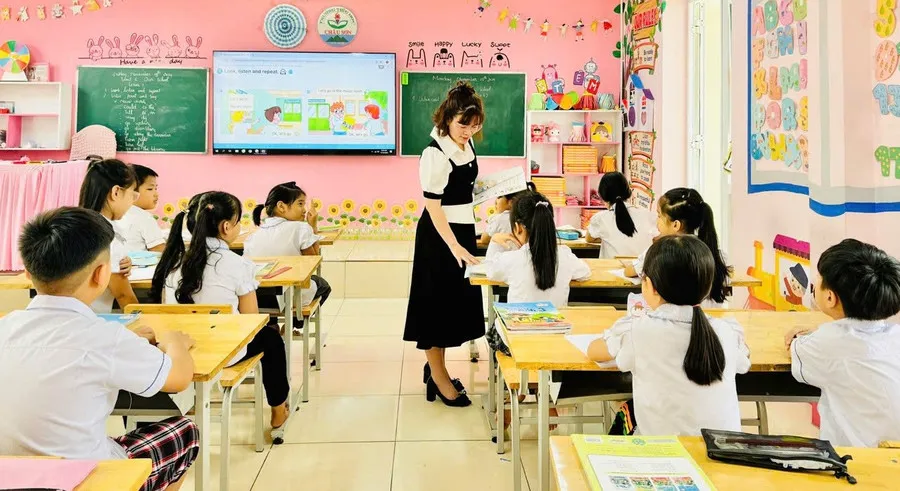
An English class at Chau Son Primary School in Ba Vi Commune, Hanoi. Photo courtesy of the school
“Ba Vi faces greater challenges compared to urban areas, but we’ve made significant progress,” remarked Dinh Thi Ngoc Dung, an English teacher at Dong Thai Secondary School.
Dung informed The Hanoi Times that the commune has piloted English instruction in all 35 secondary schools and plans to expand to all 69 secondary and primary schools by 2030.
“To create an immersive learning environment, schools display bilingual signage, host English-speaking competitions, and organize reading festivals,” Dung added.
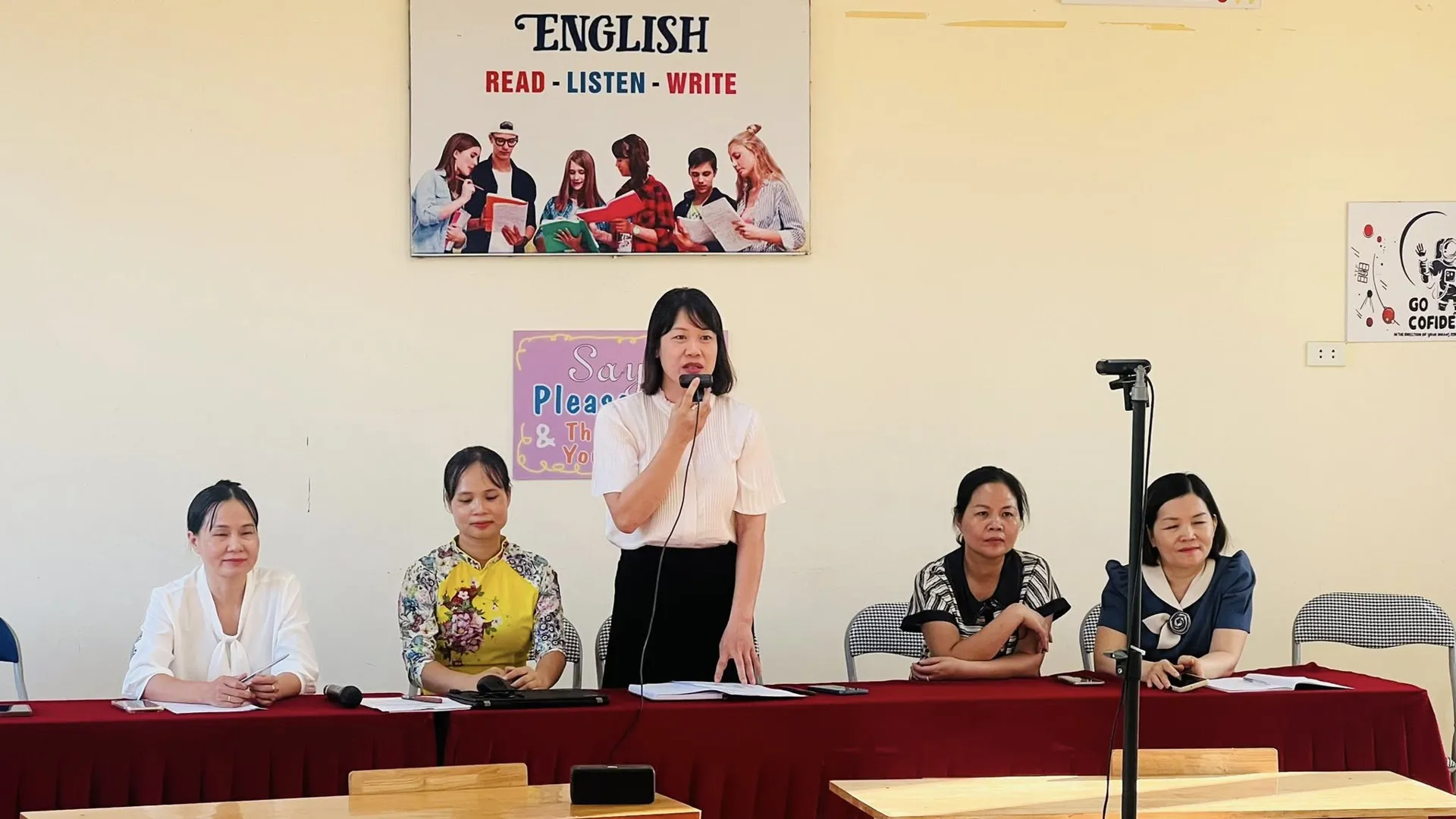
Dinh Thi Ngoc Dung (center), an English teacher at Dong Thai Secondary School, Ba Vi Commune, presents on foreign language teaching and learning methods. Photo courtesy of Dung
Shifting Focus: From Scores to Global Citizenship
This linguistic policy shift is also transforming how students and parents perceive education, from securing employment to becoming global citizens.
Nguyen Phuong Uyen, a student at RMIT University Vietnam in Hanoi, chose International Communications to prepare for a career in an international organization.
“I’m passionate about learning about other cultures and aspire to work in a global environment. I’ve actively explored international joint programs and majors offering opportunities to work abroad or in multinational corporations,” she shared with The Hanoi Times.
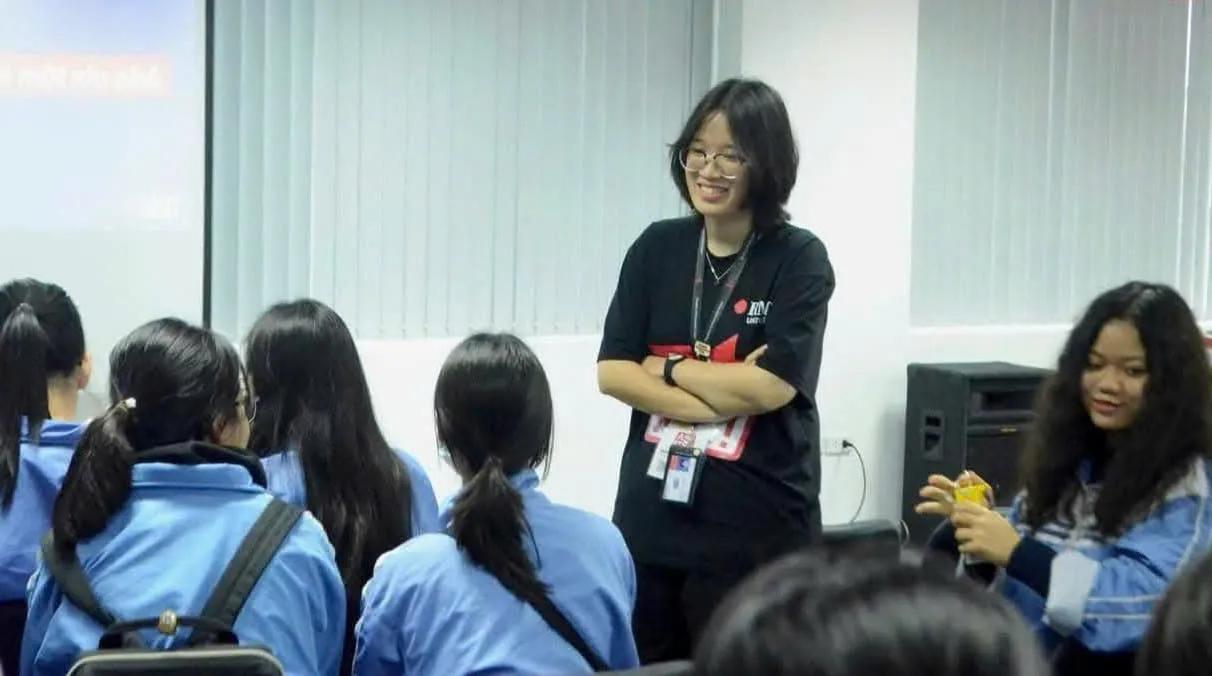
Nguyen Phuong Uyen, a student at RMIT University Vietnam, presents at a practical exchange session with another university. Photo courtesy of Uyen
Vu Doan Mien, whose daughter Vu Anh Phuong studies at Nguyen Tat Thanh Secondary and High School in Cau Giay Ward, encourages her to pursue her passion for International Relations despite its demanding language requirements. “Passion and capability are paramount,” he said, adding that without them, even a globally focused major can become unsustainable.
Hanoi currently ranks third nationwide in foreign language proficiency and aims to establish English as a second language across all schools in the coming years.
“Today’s students are increasingly drawn to globally oriented fields. We encourage them to gain practical experience through exchange programs, competitions, and community work to build confidence and adaptability,” said Deputy Head Nguyen Ninh Bac.
“Don’t hesitate to explore and engage. Volunteering or joining international organizations is an excellent way to gain real-world experience and develop essential skills,” Bac advised young people.
He noted that the diversity in Hanoi’s training programs reflects the capital’s comprehensive approach to human resources development, ensuring graduates are prepared to meet the demands of various industries and sectors.
Director Tran The Cuong emphasized that educating students to become global citizens requires a focus on foreign language training alongside comprehensive knowledge acquisition and IT competence, calling it a crucial task to help students seize a wider range of development opportunities.
He stressed that language training must go hand in hand with digital literacy and global awareness, forming the foundation for Vietnam’s future workforce.
“Foreign language proficiency enables students to engage in cultural exchange, enhances competitiveness, and contributes to the country’s sustainable development,” said Cuong.
Vietnam’s 2035 roadmap places English proficiency at the heart of education reform, aiming to build a globally skilled workforce. With strengthened teacher training and digital learning, the policy envisions language as a catalyst for innovation and competitiveness, reshaping how Vietnam connects with the world.
Hungarian National Assembly Speaker László Kövér’s Vietnam Visit Captivates Global Attention
At the invitation of Vietnamese National Assembly Chairman Tran Thanh Man, Speaker of the Hungarian National Assembly Laszlo Kover embarked on an official four-day visit to Vietnam, commencing on October 18.
World’s Largest Lacquer Painting Honored by Guinness World Records in Hanoi

At a prestigious ceremony held in Hanoi on October 11, the World Records Union bestowed the Guinness World Record certificate upon Vietnamese artist Chu Nhat Quang. His masterpiece was officially recognized as the largest lacquer painting in the world, cementing his place in artistic history.
Party Leader Spearheads Flood Relief Operations in Devastated Northern Province
THE HANOI TIMES — On October 16, Party General Secretary To Lam visited Thai Nguyen province in northern Vietnam, one of the four regions severely impacted by Typhoon Matmo. His visit aimed to oversee flood relief efforts and distribute aid to those affected by the disaster. The General Secretary inspected the Ben Tuong Bridge area, where […]
Unlocking Sustainability: Vietnam Champions Green Construction Initiatives
THE HANOI TIMES — Advancing green buildings and intelligent urban infrastructure stands as a pivotal strategy in Vietnam’s journey toward becoming a modern, eco-friendly nation, aligning with its ambitious net-zero emissions target by 2050, as emphasized by Deputy Minister of Construction Nguyen Van Sinh. During the forum titled “Innovative Solutions for Green Buildings and Sustainable […]
Unlocking Vietnam’s Global Edge: The Power of Cultural Diversity in International Integration

Vietnam, a nation brimming with cultural richness, embraces its diverse tapestry of regions, ethnicities, beliefs, and customs not merely as a cherished heritage but as a powerful strategic asset. This diversity fuels sustainable development and elevates Vietnam’s global standing in an era of international integration.